Everything you actually need to know from $1 street food to the Kandy-Ella train that will genuinely change your life.
There’s this moment that happens to almost everyone who lands in Sri Lanka for the first time. You step out of the airport, the thick tropical air hits you, someone thrusts a king coconut into your hands for less than a dollar, and you think: “Why did I wait so long?”
Sri Lanka is the kind of place that gets under your skin fast. Misty mountains in Ella, ancient ruins rising from the jungle in the Cultural Triangle, surf rolling in at Weligama — and all of it astonishingly affordable. A well-traveled backpacker can live fully here on $15–$40 a day. This guide is your no-fluff roadmap to pulling that off.
How Much Does Backpacking in Sri Lanka Actually Cost?

Let’s kill the guesswork right away. Sri Lanka is genuinely cheap but “cheap” means different things depending on how you travel. Here’s a realistic breakdown across two budget styles, built from current ground-level data.
| Expense Category | Shoestring · $15–25/day | Comfort Backpacker · $30–45/day |
|---|---|---|
| Accommodation | Fan dorm rooms in hostels ($5–8/night) | AC private rooms or homestays ($15–25/night) |
| Food | 100% local eateries & street food ($3–5/day) | Mix of local spots + occasional café ($8–14/day) |
| Transport | Public buses + 3rd class trains ($2–4/day) | 2nd class reserved seats + occasional tuk-tuk ($5–10/day) |
| Activities | Free hikes (Little Adam’s Peak, waterfalls) | Paid excursions — safaris, temples, scenic viewpoints |
| Daily Misc. | $1–2 (water, sim top-up) | $3–5 (snacks, laundry, extra coffee) |
Visa & Connectivity Costs (Before You Arrive)
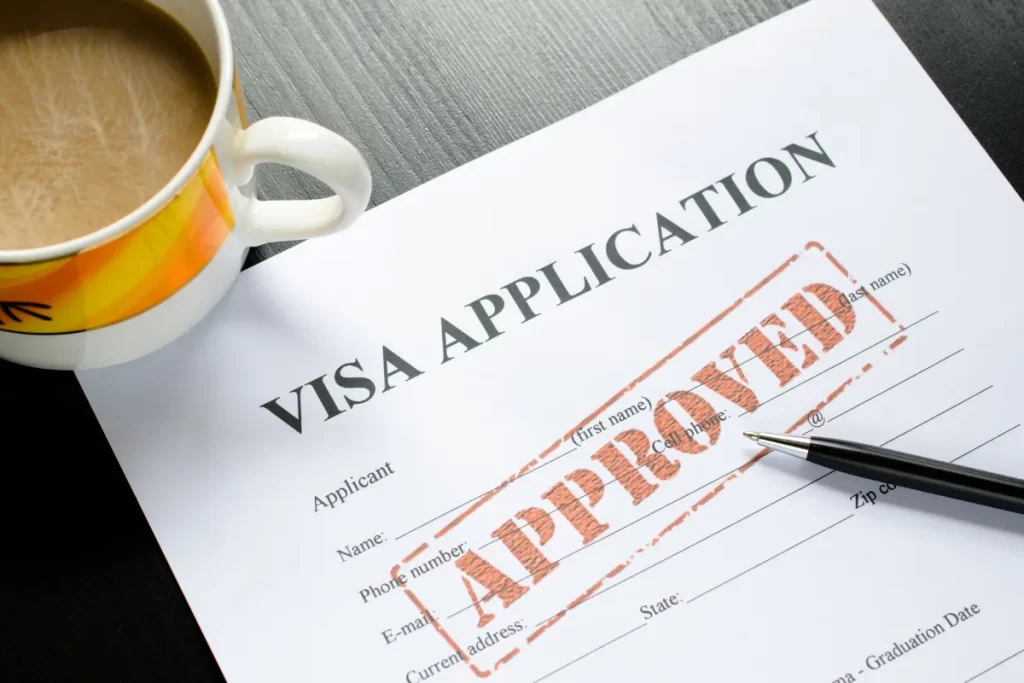
Most nationalities need an Electronic Travel Authorization (ETA) before flying in. Budget approximately $20–25 for a 30-day double-entry tourist visa, applied for online at eta.gov.lk. Do it yourself skip the third-party “ETA helper” sites that charge double for zero added value.
Once you land, grab a Dialog or Mobitel tourist SIM card right at the airport (there are counters just past customs). Around $5 gets you 20–30GB of data, which is more than enough for maps, hostel bookings, and keeping your Instagram fed. Dialog tends to have slightly better coverage up in the Hill Country.
The biggest budget-killer in Sri Lanka isn’t accommodation or food — it’s moving too fast. Travelers who hop towns every single day easily spend double what patient, slow travelers spend. More on that below.
Finding Cheap Accommodation in Sri Lanka

Sri Lanka’s hostel scene has genuinely grown up over the last five years. You’re no longer choosing between grimy floors and overpriced resorts. There’s a solid middle ground, and some of these places are outright great.
Dorm beds in good hostels typically run $5–10 per night. For a private room in the same class of hostel or a basic guesthouse, expect $10–18. Here are a few spots worth knowing by name:
- Hangover Hostels (Mirissa & Ella) — wildly social, great rooftop vibes, excellent for solo travelers who want to meet people fast.
- Clock Inn (Colombo & Kandy) — centrally located, clean, reliable Wi-Fi. A solid base in both cities.
- Hostel 360 (Ella) — popular for its views and chill atmosphere; book in advance if you’re hitting Ella in December–March.
But honestly? Homestays are where the real value hides. For $10–15 a night, you often get a clean private room, a full home-cooked breakfast (rice, eggs, fresh fruit, sometimes string hoppers), and a host who’ll give you genuinely useful local advice the kind that doesn’t appear on any travel blog.
Booking Smarter: Three Hacks That Actually Work

1. Walk in during the off-season. Outside peak season (roughly December–March on the south coast), landlords and small guesthouse owners will absolutely negotiate, especially if you want 3+ nights. Be friendly, ask politely, and you’ll be surprised.
2. Use Hostelworld and Booking.com for research, then contact directly. Once you’ve identified a place you like, find their WhatsApp number (most properties list it) and ask about a long-stay rate. You’ll often get a 15–20% discount and skip the platform commission.
3. Don’t pre-book everything. Flexibility is your friend in lower-crowd periods. The best little guesthouses in hill towns are often discovered by just walking up to a door with a “Rooms Available” sign.
Eating Like a Local Without Breaking the Bank

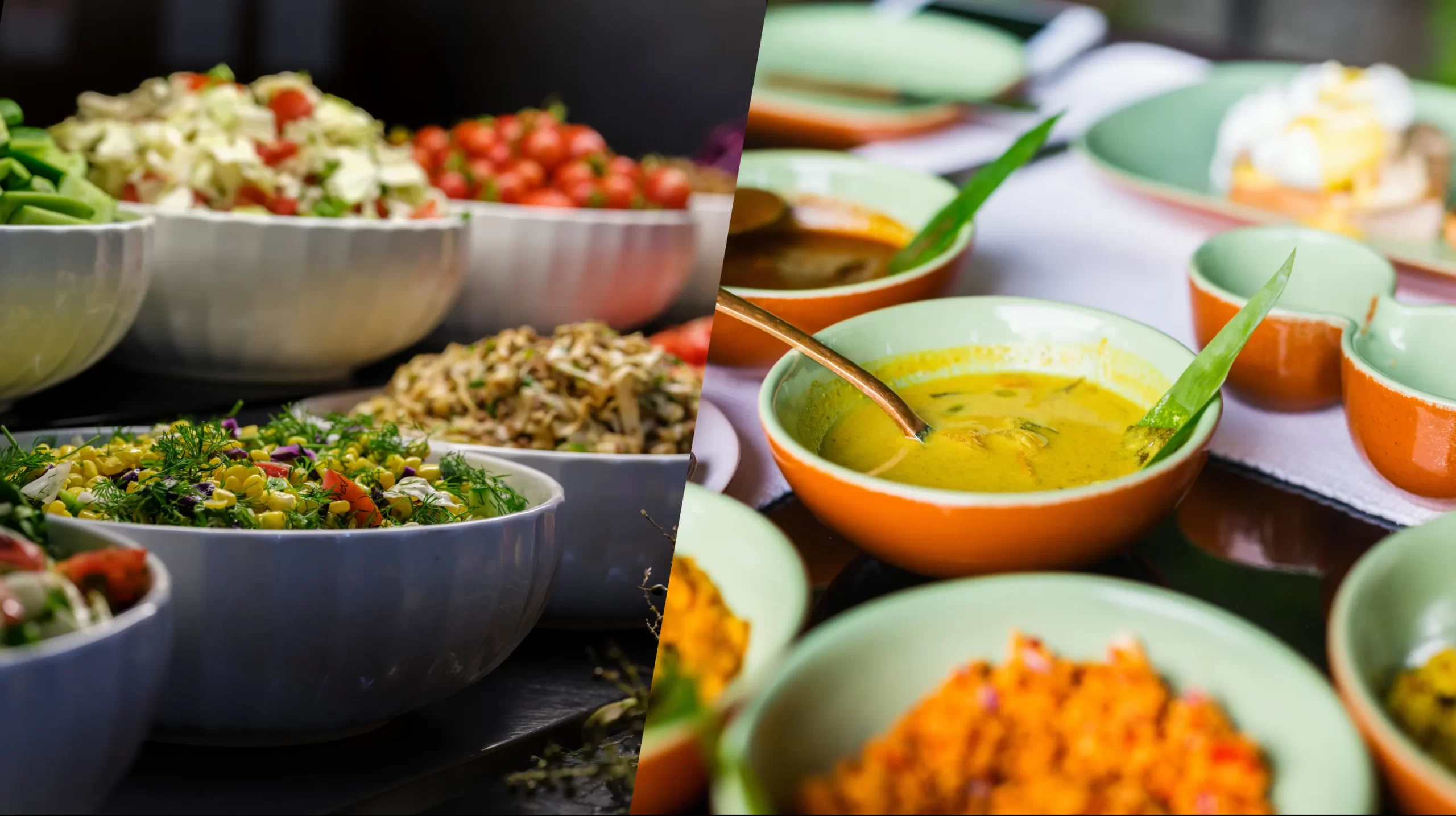
This is where Sri Lanka genuinely delivers for budget travelers. The food is extraordinary – complex coconut curries, crispy hoppers, kottu roti made by someone hammering dough on a hot griddle at midnight – and almost none of it will cost you more than a couple of dollars.
Step into any local “rice and curry” joint, and for roughly $1.00–$2.50 you’ll get a plate loaded with rice, two or three curries, dhal, and a papadam. That’s a full, satisfying meal. Here’s what you should know on the price front:
- Rice and Curry (local restaurant) – $1.00 – $3.00
- Kottu Roti (Chicken) – $1.50 – $5.00
- Plain Hoppers – ($0.25 –$0.30 USD) each
- Egg Hoppers – $0.30–$0.5
- String Hoppers (portion) – $0.40 – $0.70
- Short Eats / Large Isso Wade (prawn fritters) – $0.37 – $0.62
- King Coconut (thambili) – $0.40 – $0.65
- Buffalo Curd with Treacle (clay pot) – $1.00 – $2.00

Buffalo curd with treacle isn’t flashy it’s a clay pot of thick, creamy yogurt drizzled with kithul palm syrup. It looks simple. It tastes like the best thing you’ve eaten in weeks. Get it at a roadside shop in the Hill Country. You’re welcome.
The practical rule: if there are plastic chairs, hand-written menus, and a ceiling fan, you’re eating well for under two dollars. The moment the menu has photos and Wi-Fi password on the table, prices jump 3–4x. Both are fine just know what you’re choosing.
Getting Around: Sri Lanka Transport Hacks

Transport is where most first-timers either nail their budget or blow it completely. The good news: Sri Lanka has the infrastructure to move around cheaply. You just need to use it right.
- The Kandy to Ella scenic train is legitimately one of the great train journeys on earth. Passing through tea estates, waterfalls, and mist-covered mountains, it’s the kind of ride you’ll tell people about for years. Prices differ significantly by class: 1st class observation car ($6–10), 2nd class reserved ($3–5), and 3rd class unreserved ($1–2). Book through the Sri Lanka Department of Railways or at the station. Grab an unreserved 3rd class ticket and find a door to hang out of — seriously, it’s the move. $1 – $10
- Buses are the true backbone of budget travel in Sri Lanka. They go everywhere, they run frequently, and they’re incredibly cheap. Cross-country trips rarely break $2. They’re crowded, they stop for everything, and the music is loud — but honestly, that’s half the experience. Under $2
- Perfect for short hops, but tourist tuk-tuks without meters will quote you 3–5x what locals pay. Always negotiate before getting in, or use the PickMe app (Sri Lanka’s Uber, works in most towns). PickMe locks the price upfront and eliminates the hassle entirely. Negotiate first
Backpacking Route Ideas for First-Time Visitors

The Classic Loop (10 – 14 Days)
- Colombo / Negombo — arrive, recover from the flight, grab a SIM
- Cultural Triangle — Sigiriya, Pidurangala, Dambulla Cave Temples
- Kandy — Temple of the Tooth Relic, Peradeniya Gardens
- Nuwara Eliya — tea country, misty hills, colonial oddity
- Ella — Nine Arch Bridge, Little Adam’s Peak, Ella Rock
- South Coast — Weligama surf, Mirissa whales, Galle Fort
The Off-Beat East Coast Route (14 – 21 Days)
- Colombo — quick city orientation, head north or east
- Anuradhapura — ancient capital, sacred Bo tree, rent a bicycle to explore
- Trincomalee — stunning natural harbour, beaches, whale sharks May–Oct
- Arugam Bay — legendary surf point, laid-back to the bone
- Udawalawe — elephant herds, budget safari, skip crowded Yala
- Jaffna — underrated north, unique Tamil culture, incredible food
Sri Lanka has two monsoon seasons hitting different coasts. The south and west coast (Galle, Mirissa, Colombo) are best from November to April. The east coast (Arugam Bay, Trinco) comes alive May to October. The Hill Country is honestly fine year-round with the right jacket.
Smart Money-Saving Tips & Free Local Experiences
This is where a genuinely good Sri Lanka trip separates from an expensive tourist one. None of these tips require any compromise on experience. Actually, most of them improve it.

🏔️ The Sigiriya Hack
- Everyone tells you to climb Sigiriya Lion Rock — and yes, it’s spectacular. But at $35 entry, it’s the most expensive single attraction in the country. Instead, wake up at 5am and hike Pidurangala Rock for just $3. You get the same panoramic sunrise view — except you’re also looking down at Sigiriya from above. Objectively better. Locals know this. Now you do too.

- Yala National Park is famous but crowded and increasingly expensive — especially in peak season when 4WDs form actual traffic jams near leopard sightings. Go to Udawalawe National Park instead. The elephant herds there are massive (100+ in a single sighting isn’t unusual), entry and jeep costs are significantly lower, and you won’t be sharing a lion king moment with 40 other jeeps.
Free nature activities that cost nothing but time: walking Galle Fort’s ramparts at sunset, chasing Diyaluma Falls (Sri Lanka’s second highest), swimming at Ravana Falls near Ella, and the classic walk up Little Adam’s Peak — arguably one of the best sunrise hikes on the island, completely free.
The slow travel rule is your biggest money-saver. Moving towns every day means a bus ride + accommodation check-in + lost orientation time, every single day. Stay 2–3 nights per town and you’ll spend less on transport, unlock long-stay discounts, actually get to know the place, and leave with better memories. This is the single best budget tip in this entire guide.
Staying Safe & Practical Advice for Backpackers
Sri Lanka is, by most measures, a genuinely safe country for travelers. Petty crime exists as it does everywhere but violent incidents targeting tourists are rare. Still, a few things are worth knowing upfront.

Solo female travelers: Many women travel Sri Lanka solo every year without incident. The practical advice is consistent: dress modestly (cover shoulders and knees near temples and rural areas), be firm but polite with persistent tuk-tuk touts, and trust your instincts in the same way you would anywhere. The hostel community is particularly good for connecting with other solo travelers.
- At temples, always cover your knees and shoulders a sarong or light scarf in your bag works perfectly.
- Negotiate tuk-tuk fares before getting in. Confirm the price is for the full ride, not per person.
- Stick to bottled or filtered water. The heat is intense, especially on the coast hydration matters more than you think.
- Watch out for Poya Days (full moon holidays) alcohol sales stop at many shops and restaurants, and temples get crowded. Plan around it or just embrace it.
- Don’t walk unlit coastal roads alone at night not because of people, but because the footpaths can be genuinely dangerous in the dark.
Frequently Asked Questions
Is Sri Lanka safe for solo backpackers?
What is the cheapest way to get around Sri Lanka?
When is the best time to backpack Sri Lanka?
Do I need to book hostels in advance in Sri Lanka?
How much money do I need for 2 weeks in Sri Lanka?
Ready to Plan Your Sri Lanka Trip?
Browse our complete destination guides for Ella, Mirissa, Sigiriya, and the Hill Country — all built for real travelers on real budgets.

Further Readings
- Solo Travel in Sri Lanka: Best Places, Safety, and Tips
- Sri Lanka Dos and Don’ts: Guide to Cultural Taboos Every Traveler Should Know
- Accommodation in Sri Lanka: Where to Stay on Your Journey
- Can You Do 10 Days in Sri Lanka on $600–$700? Yes, Here’s How
- Ella Travel Guide: Things to Do, Best Time to Visit & Easy Tips