Growing up vegetarian in Sri Lanka, I never thought much about it. Rice and curry for lunch, string hoppers on a Sunday morning, a plate of dhal with pol roti at a local canteen – it was simply everyday eating. Plant-based food wasn’t a lifestyle choice here. It was just how most people ate, most of the time.
What tends to surprise visiting travellers is how naturally the island’s cuisine lends itself to vegan and vegetarian eating. Sri Lanka is genuinely one of the most plant-friendly countries in Asia, and it delivers on flavour, variety, and price without requiring you to hunt down specialist health food restaurants.
That said, navigating the local food scene as a strict vegan does require some awareness. A handful of hidden ingredients turn seemingly plant-based dishes into something else entirely. Knowing what to watch for, which phrases to use, and where to go will make the difference between a seamless experience and a frustrating one.
This guide covers everything you need to know before you arrive.
Why Sri Lanka Is a Natural Paradise for Plant-Based Travellers
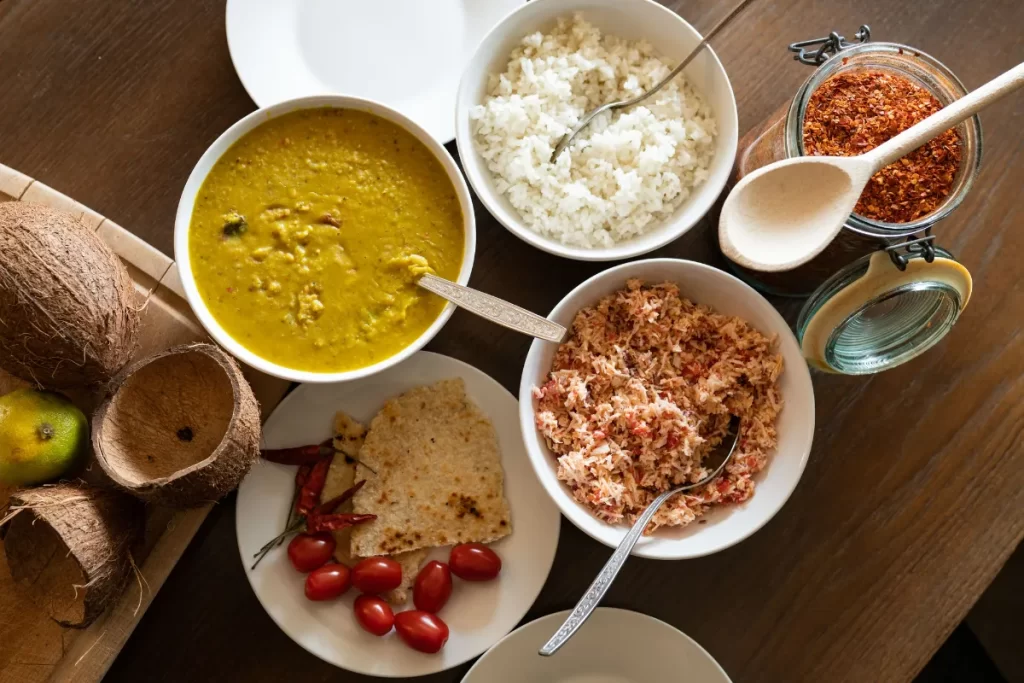
The plant-heavy foundation of Sri Lankan cooking isn’t a modern trend. It’s been shaped by centuries of culture and religion.
Around 70% of Sri Lankans identify as Buddhist, and Buddhist traditions have long discouraged harm to living creatures. The practical result is a cuisine built on vegetables, lentils, legumes, coconut, and rice. On Poya days (full moon days observed every month across the island), meat is rarely served at local restaurants and canteens. Alcohol isn’t sold. The entire food culture shifts noticeably on those days, and plant-based options dominate without question.
In the North and East, the Tamil Hindu community follows an equally strong tradition of vegetarian eating. “Pure Veg” restaurants, common near Hindu temples in those regions and in Colombo itself, serve no meat, no fish, and no eggs. Dosas, rice thalis, and idlis are the staples. They’re reliable, affordable, and consistently excellent.
Then there’s the coconut. Sri Lankan cooking uses coconut milk and coconut oil as its foundation rather than butter or cream. This means a large proportion of traditional dishes are naturally dairy-free without any modification. Add the island’s extraordinary tropical fruit- mangosteen, rambutan, jackfruit, wood apple, king coconut – and you begin to understand why plant-based travellers tend to eat exceptionally well here.
Hidden Non-Vegan Ingredients You Need to Know About
This is the section that matters most for strict vegans. Several dishes that look entirely plant-based contain animal products that aren’t immediately obvious, because local cooks use them so routinely they don’t always think to mention them.
Maldive Fish (Umbalakada)
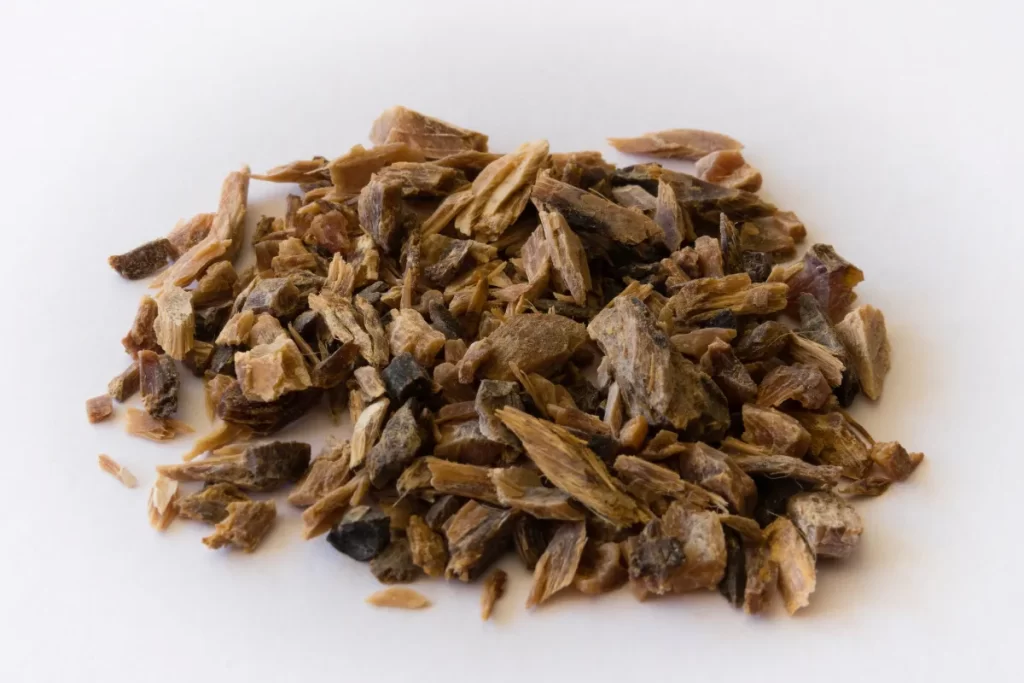
This is the most important one to know about. Maldive fish is dried, cured tuna that gets ground into a paste or added in small pieces as a flavour enhancer. It appears in Pol Sambol (coconut sambol), many vegetable curries, and even some dhal preparations. The dish will look completely plant-based when it arrives at the table. The umbalakada is invisible once mixed in.
Always ask specifically. Saying “umbalakada epa” (no dried fish) when ordering sambols and curries is essential if you’re strictly vegan.
Shrimp Paste
Less common than Maldive fish but still worth watching out for, particularly in coastal areas and restaurants that blend Tamil and Sinhalese cooking traditions. It can turn up in certain curry pastes and sambols.
Ghee
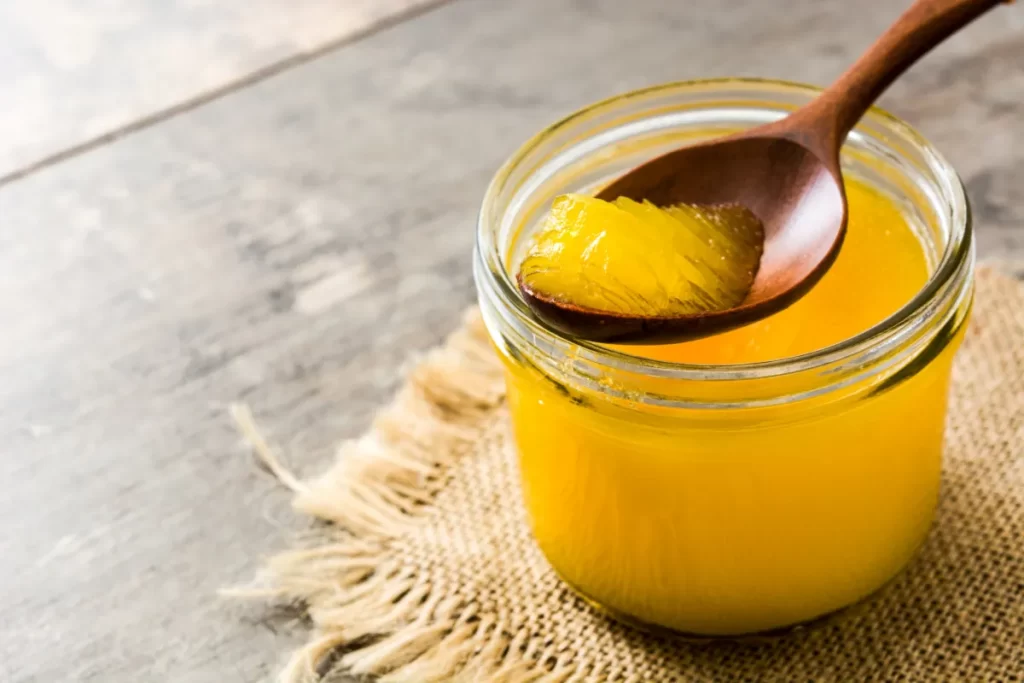
Ghee (clarified butter) appears in some roti preparations, particularly in Indian-influenced restaurants and in certain traditional sweetmeats. It isn’t a universal ingredient in Sri Lankan cooking, but it does appear regularly enough to ask about.
Milk Powder
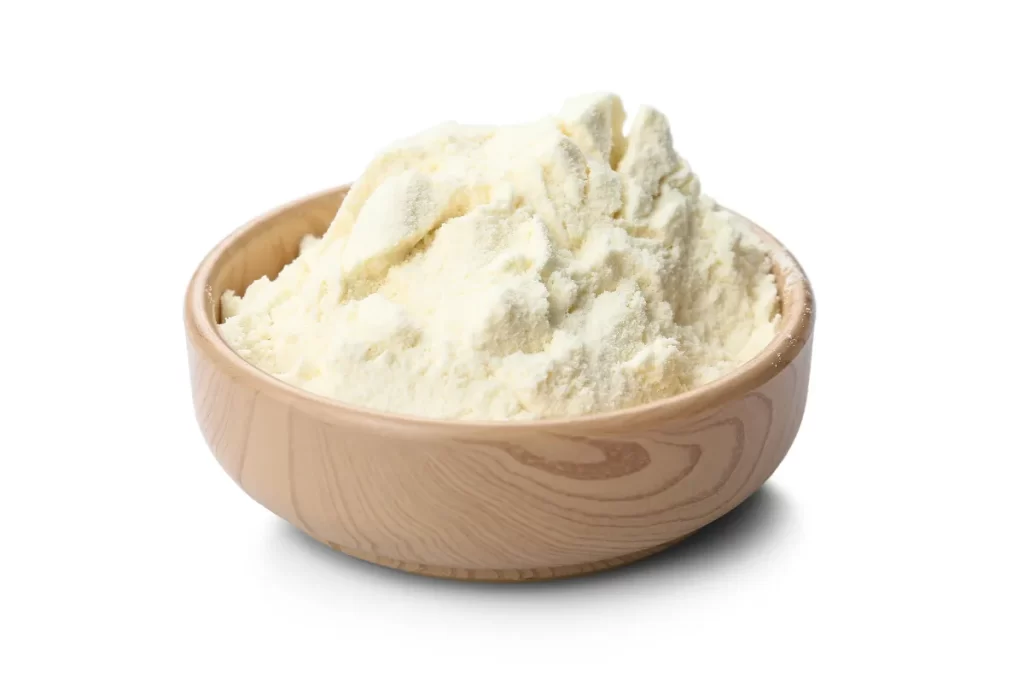
Milk powder sometimes gets added to tea, especially in rural areas where fresh milk isn’t always available, and occasionally in commercial coconut milk to bulk it up. If you’re dairy-free, specify black tea or ask about the tea preparation before ordering.
Must-Try Traditional Sri Lankan Vegetarian and Vegan Dishes
The list is genuinely long. Sri Lankan cuisine has so many naturally plant-based dishes that the challenge isn’t finding something to eat. It’s narrowing down what to try first.
The Base: Rice and Breads
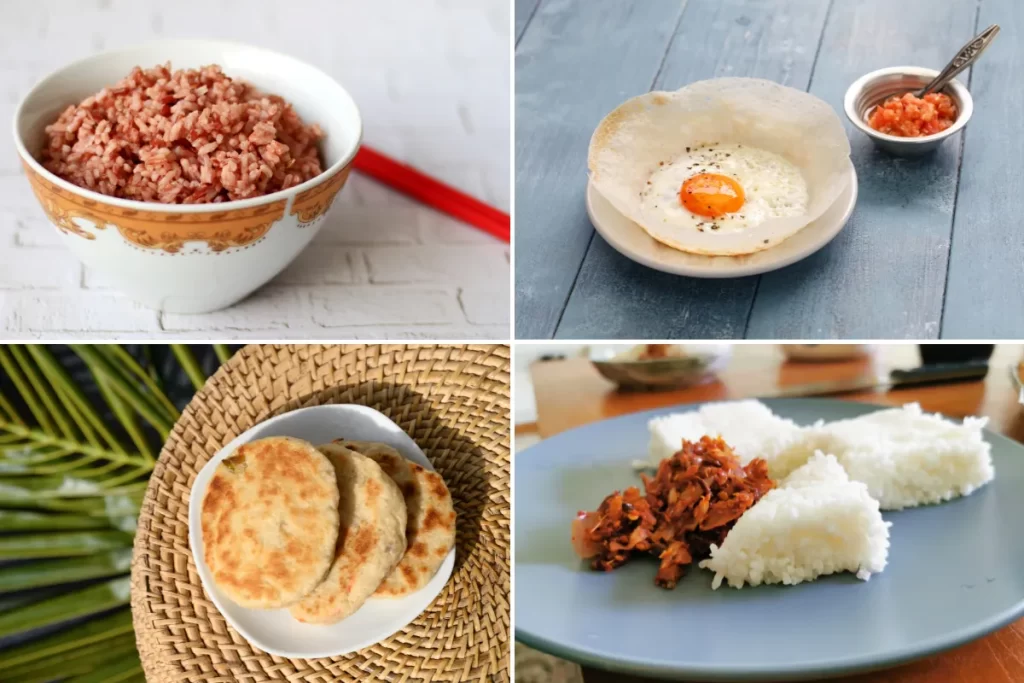
Almost every Sri Lankan meal anchors itself around one of these.
- Red Rice: The everyday staple. Earthy, slightly nutty, and more nutritious than white rice. Served at virtually every local meal across the island.
- Hoppers (Appa): Bowl-shaped, fermented rice flour pancakes with crispy edges and a soft centre. String hoppers (idiyappam) are the steamed noodle version. Both are naturally vegan.
- Pol Roti: Thick coconut flatbread cooked on a griddle until slightly charred at the edges. One of the most satisfying things you’ll eat here.
- Pittu: Steamed cylinders of ground rice and grated coconut. Light, slightly crumbly, and usually served alongside coconut milk and curry.
- Kiribath: Milk rice cooked with coconut milk until thick, then sliced into diamond shapes. Traditionally eaten at New Year and on Poya days. Vegetarian, not vegan.
The Curries
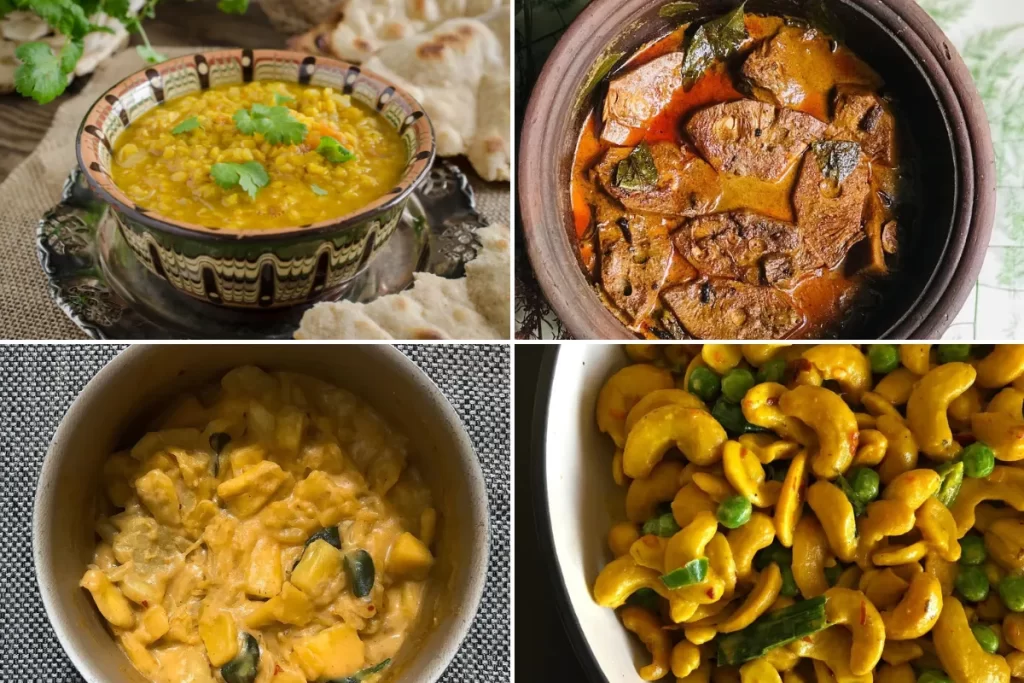
Sri Lankan curry isn’t one dish. It’s an entire ecosystem of flavours, techniques, and textures that changes depending on region, religion, and the family doing the cooking.
- Parippu (Dhal Curry): The everyday curry. Red lentils slow-cooked with coconut milk, tempered with mustard seeds, curry leaves, and dried chilli. Simple, reliable, and entirely vegan.
- Polos (Young Green Jackfruit Curry): If you’ve never eaten young jackfruit cooked slowly in dark spices, this will change how you think about plant-based food. The texture genuinely resembles pulled meat. It’s also one of the most distinctly Sri Lankan dishes you can eat anywhere.
- Kiri Kos: Mature jackfruit cooked in coconut milk. Sweeter and creamier than Polos. Equally worth trying.
- Kadju (Cashew Curry): Cashews cooked in a mildly spiced coconut milk gravy. Often served at festive meals and special occasions.
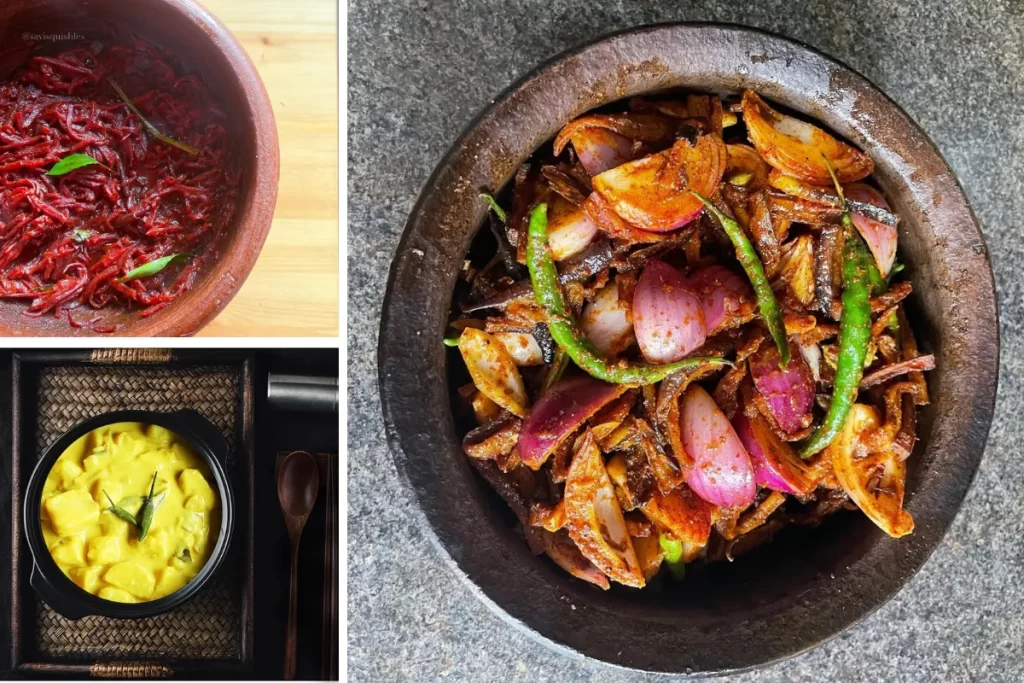
- Wambatu Moju (Eggplant Pickle): Deep-fried aubergine in a sweet and tangy vinegar-based sauce with caramelised onions. Bold, complex, and unforgettable.
- Beetroot Curry: Don’t underestimate this one. Beetroot cooked with coconut milk and whole spices develops a sweetness and depth that surprises most first-time visitors.
- Ala Kiri Hodi (Potato Curry): Comfort food in the truest sense. Creamy, mild, and a reliable fixture at any rice and curry spread.
Sambols and Salads
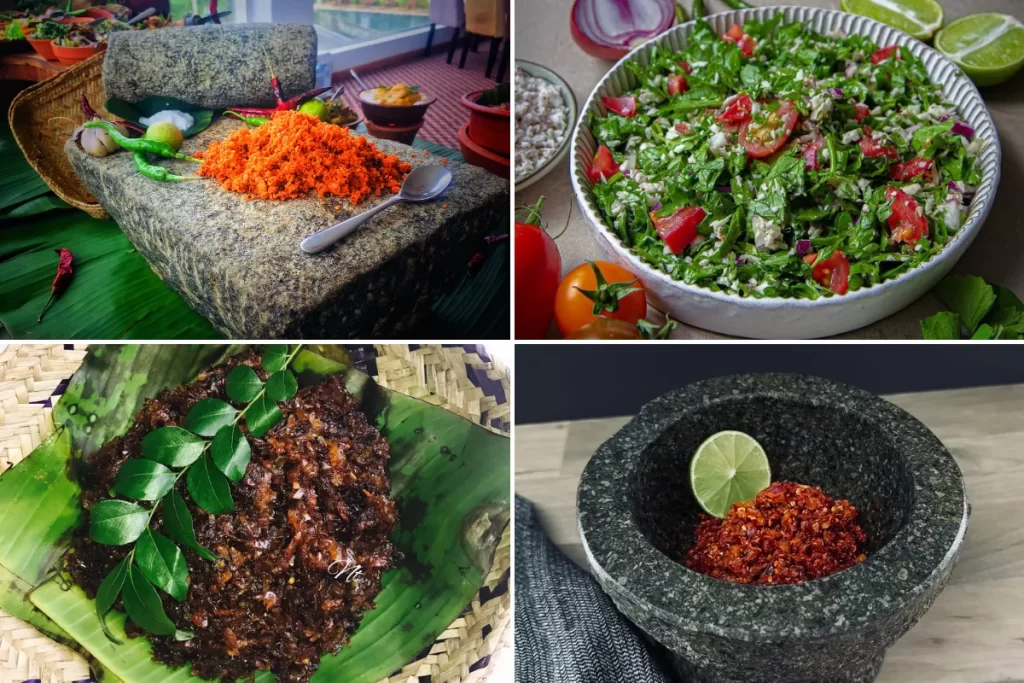
Sambols are the supporting cast that elevate every Sri Lankan meal. Small in portion, significant in flavour.
- Pol Sambol: Freshly grated coconut with red chilli, lime, and onion. Completely vegan if prepared without Maldive fish. Always ask before eating.
- Gotu Kola Sambol: Finely chopped pennywort herb mixed with grated coconut, green chilli, and lime. Completely vegan, packed with nutrients, and genuinely delicious.
- Seeni Sambol: Slow-cooked caramelised onions with whole spices. Rich and slightly sweet. Most versions are vegan, but some contain Maldive fish. Worth confirming.
- Lunu Miris: A ground paste of dried chilli, onion, salt, and lime. Fiery and entirely vegan.
Vegan Street Food and Short Eats
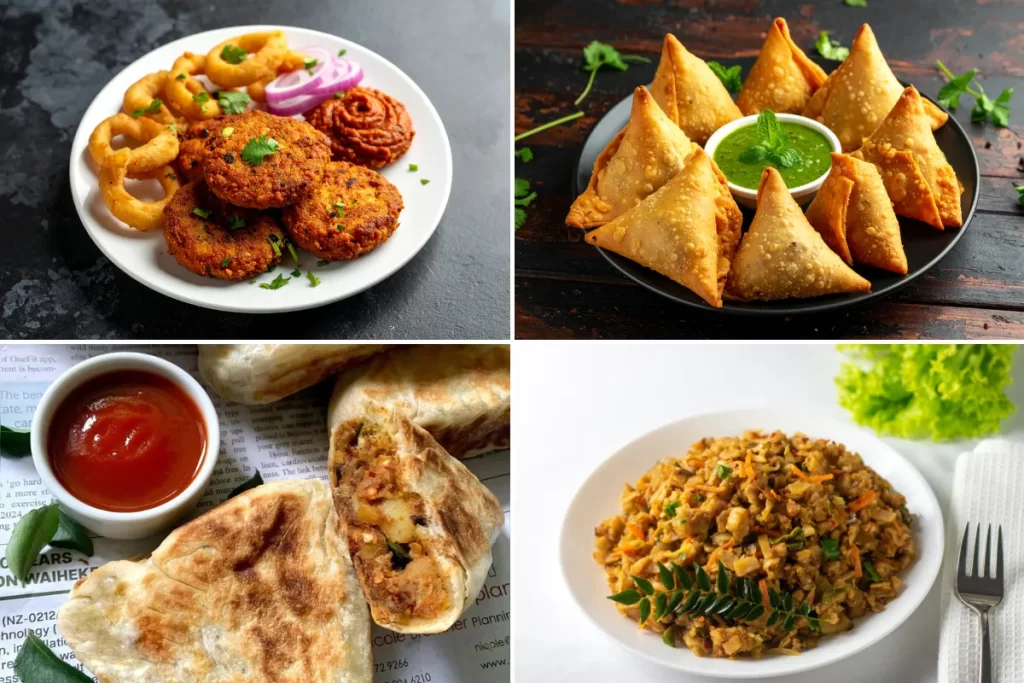
Sri Lanka’s local bakeries and street stalls are excellent territory for plant-based snacking on the move.
- Vadai: Crispy lentil fritters, either plain (ulundu vadai) or with a dhal filling (parippu vadai). Best eaten hot straight from the stall.
- Vegetable Samosas: Widely available at local bakeries throughout the island. The filling is almost always spiced potato and vegetable.
- Vegetable Roti: Thin flatbread stuffed with spiced potato and coconut. A satisfying and cheap snack for long journeys.
- Vegetable Kottu Roti: Shredded roti stir-fried on a hot iron griddle with vegetables, spices, and egg if requested. Ask for egg-free to keep it vegan. The sound of the kottu blades clanging at a roadside stall is one of the most recognisable sounds in Sri Lanka.
Desserts and Drinks
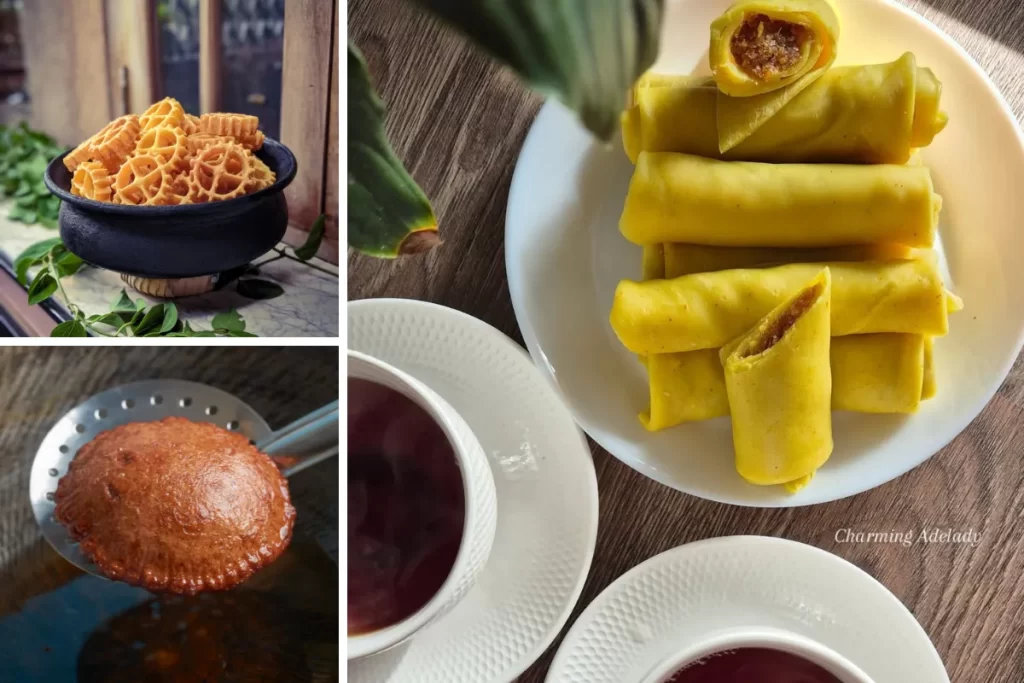
- Pani Pol Pancakes: Thin crepes filled with treacle and fresh grated coconut. Vegan and delicious.
- Kokis: Crispy, flower-shaped fried snacks made from rice flour and coconut milk. A traditional New Year treat. Vegan.
- Kavum: Deep-fried rice flour and treacle cakes. Another traditional sweetmeat. Vegan.
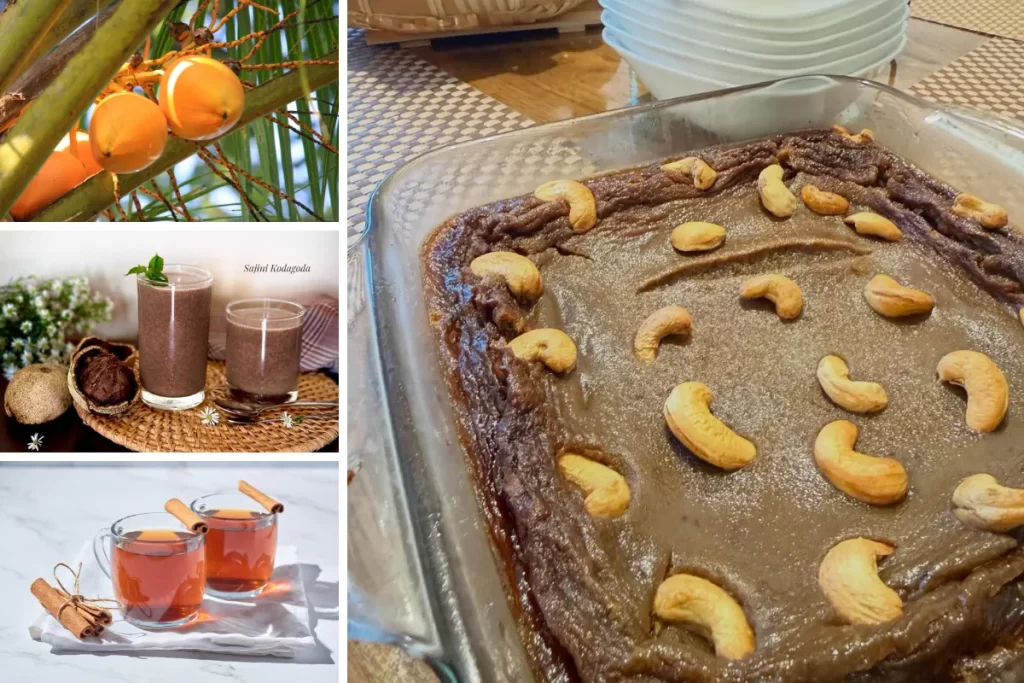
- Watalappan: A rich steamed pudding made from coconut milk and jaggery. Vegetarian only — it contains eggs. Absolutely worth trying if you eat eggs.
- King Coconut Water (Thambili): Fresh from the shell, sold on roadsides across the island. Naturally hydrating, naturally vegan, and about as Sri Lankan as it gets.
- Wood Apple Juice: An acquired taste, but a genuinely local experience. Tangy, thick, and unlike anything you’ll find anywhere else.
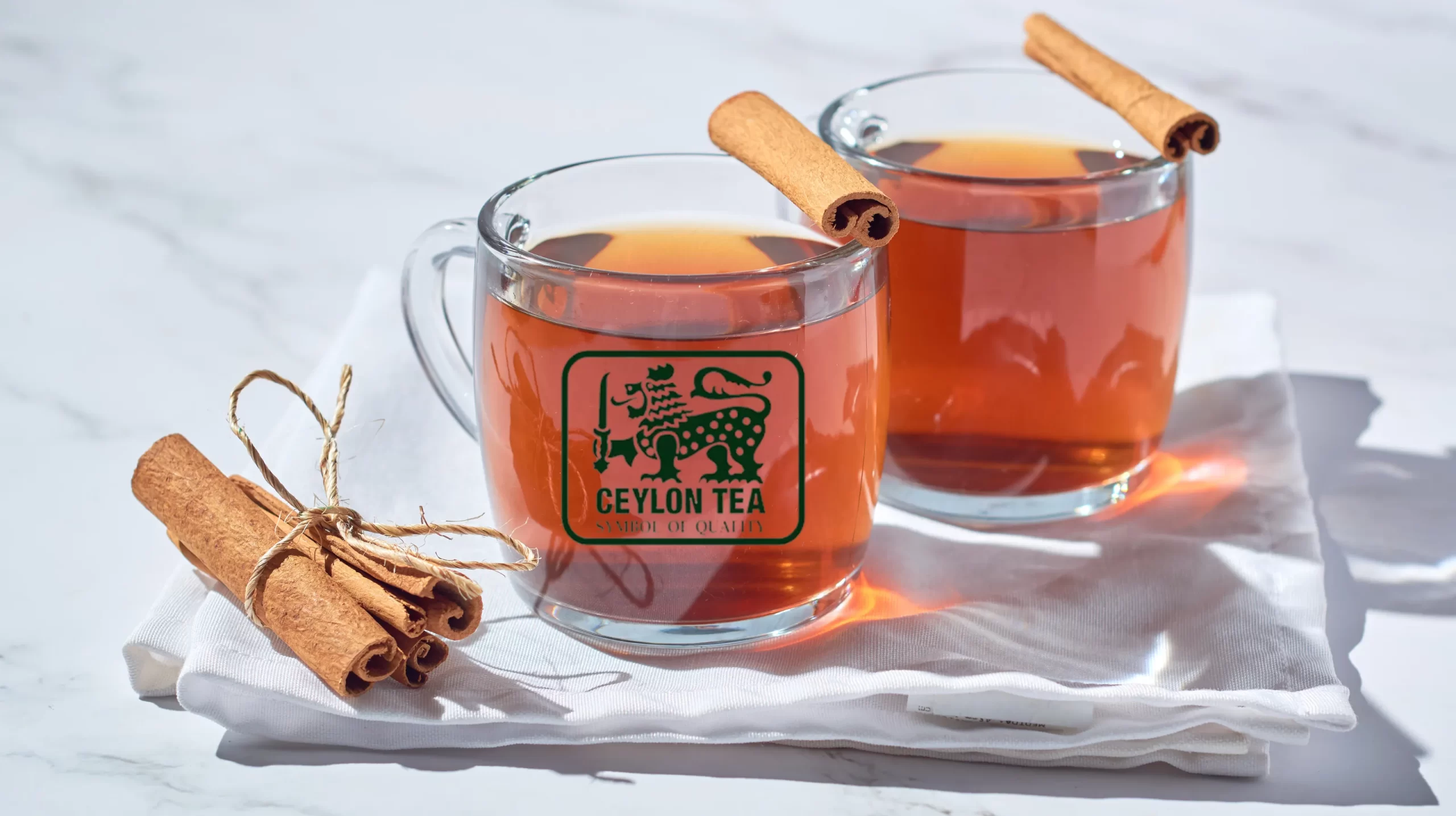
- Ceylon Tea: Sri Lanka’s most famous export. Ask for it black if you’re dairy-free.
Best Regions and Restaurants for Plant-Based Travellers
Colombo
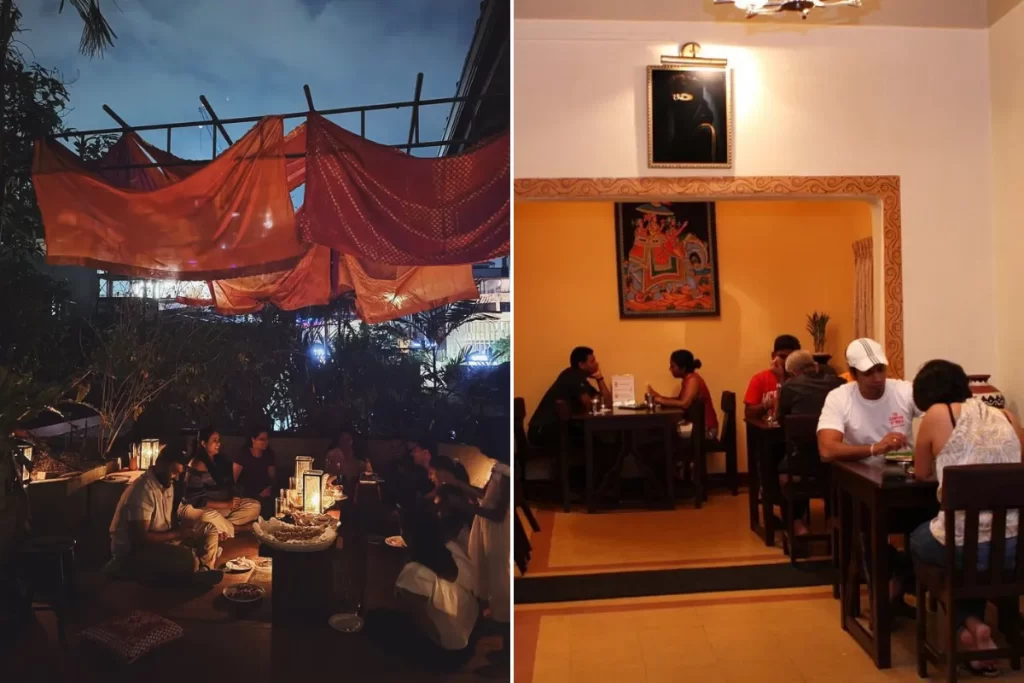
The capital has the most diverse plant-based dining scene on the island. Barefoot Cafe in Colombo 3 offers a relaxed garden setting with a solid vegetarian selection. Shanmugas is a long-standing South Indian “Pure Veg” institution serving dosas, thalis, and idlis that reflect the city’s Tamil community and its strong vegetarian tradition.
Kandy
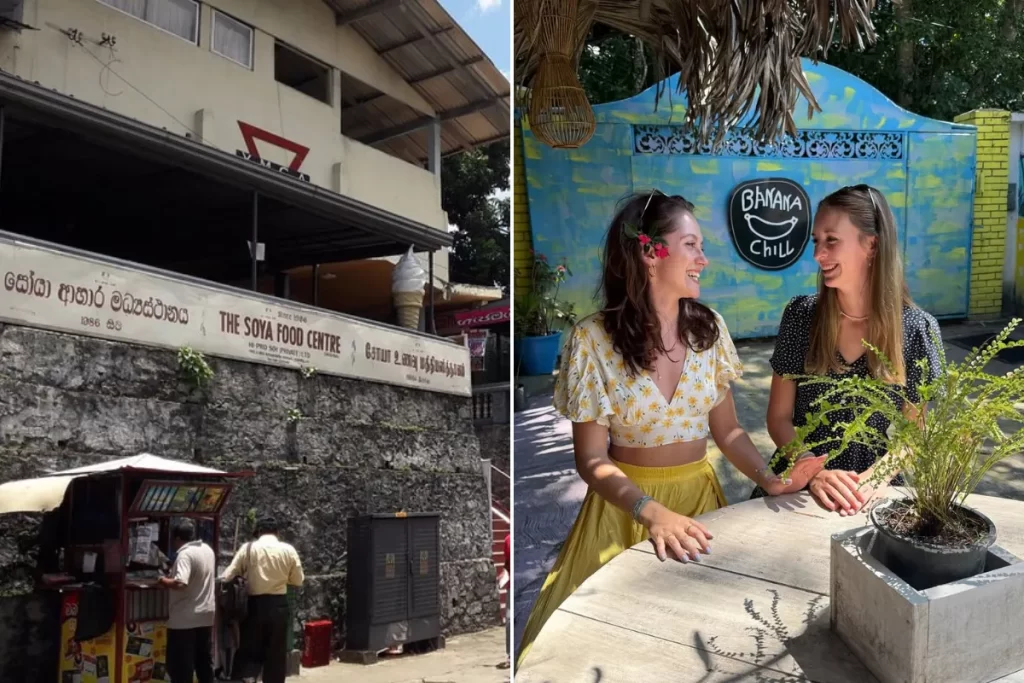
Soya Food Centre is a local institution that uses soya-based meat alternatives in traditional Sri Lankan preparations. Their vegan soft serve has developed something of a cult following among backpackers. Cafe Banana Chill offers a relaxed atmosphere with a good vegetarian menu for those spending a day or two in the city. If you’re exploring the hill country more broadly, our Kandy travel guide covers the city in depth.
South Coast: Galle and Mirissa
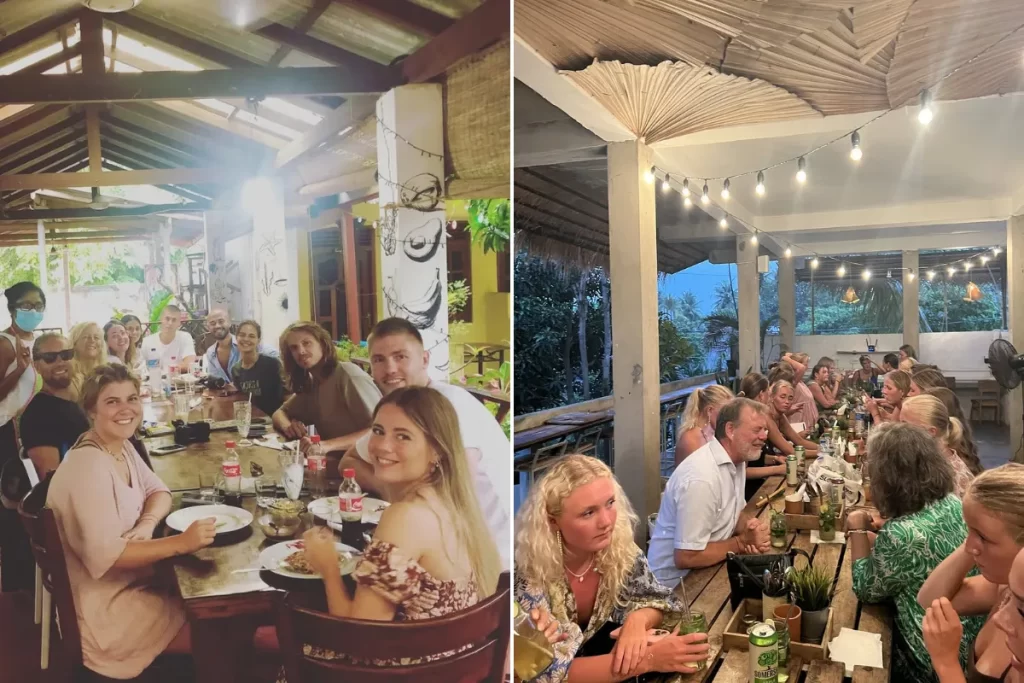
Dewmini Roti Shop in Mirissa is a beloved local spot for fresh roti and curry at honest prices. Shady Lane are solid option for dedicated plant-based meals along the south coast.
Ella and the Hill Country
Ella’s cafe scene caters heavily to health-conscious backpackers, and most establishments are well-versed in vegetarian and vegan requirements. If you’re heading up to the hill country, our Ella travel guide has a full breakdown of the town’s dining options and what to do while you’re there.
Jaffna and the North
The Northern Province has one of Sri Lanka’s strongest vegetarian food cultures, shaped by its predominantly Tamil Hindu population. “Pure Veg” restaurants here serve South Indian-style meals, rice thalis, and dosas with no meat or fish. Restaurants near Hindu temples in any part of the North are a consistently reliable choice for pure plant-based eating.
Essential Sinhala Phrases for Ordering Vegan Food
You don’t need to speak Sinhala to eat well as a vegan in Sri Lanka. A few key phrases, however, make a noticeable difference in smaller local restaurants where English is limited.
The key word is “Epah” (pronounced Ep-pha), which means “no” or “without.”
- Mas Epah = No meat
- Malu Epah = No fish
- Kiri Epah = No dairy or milk
- Bittara Epah = No eggs
- Umbalakada Epah = No dried fish
One practical tip worth adopting: tell the waiter you have an allergy rather than simply a preference. In Sri Lanka, as in many countries, the word “allergy” communicates urgency in a way that “I prefer not to” often doesn’t. It’s a small distinction that can genuinely prevent hidden fish or dairy making its way into your meal.
Practical Tips for Travelling Plant-Based in Sri Lanka
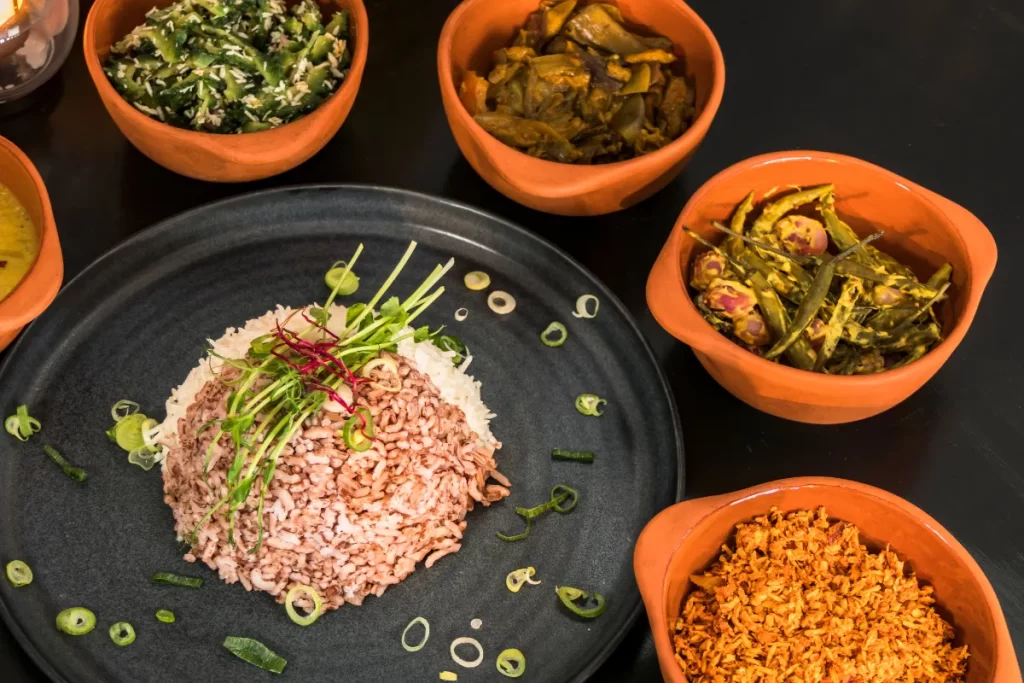
- Don’t judge a restaurant by its appearance. Some of the best vegetarian food in Sri Lanka comes out of small, no-frills local canteens with plastic chairs and handwritten menus. A fancy setting doesn’t guarantee better plant-based food. Often the opposite is true.
- Rice and curry buffets are your most reliable option. Local rice and curry restaurants typically set out eight to twelve curries and sambols at lunchtime. Several will always be vegan. Point, confirm, eat.
- Carry snacks for long journeys. Bus and train rides between destinations, particularly to Ella or Trincomalee, can stretch for several hours. Roadside food stops along the way may have limited plant-based options. Fresh fruit, short eats, and king coconut water are widely available throughout the island and make solid travel snacks.
- Consider an Ayurveda retreat. Sri Lanka has a well-established Ayurveda tradition, and most retreat centres serve entirely plant-based, freshly prepared meals as part of their programme. It’s one of the most wholesome ways to experience the food culture here.
- Take a cooking class. Learning to make Polos curry or hoppers from scratch is both a practical skill and a memorable experience. Several guesthouses and cultural centres across the island run cooking classes aimed at tourists, and they’re worth the time investment.
- Backpacking on a tight budget? Our Sri Lanka budget backpacking travel guide has practical guidance on eating well across the island without overspending.
Frequently Asked Questions
Is Sri Lanka a good destination for vegans and vegetarians?
Yes, Sri Lanka is one of the most naturally vegan and vegetarian-friendly countries in Asia. Buddhist and Hindu cultural influences have shaped a cuisine built heavily on vegetables, lentils, coconut milk, and rice. Many traditional dishes are plant-based by default, and dedicated “Pure Veg” restaurants are common, particularly in Colombo and the Northern Province. With the right knowledge, eating well here as a vegan is genuinely straightforward.
What is Maldive fish and why should vegans avoid it?
Maldive fish (umbalakada) is dried, cured tuna used as a flavour base in Sri Lankan cooking. It is commonly added to Pol Sambol, vegetable curries, and sambols, making dishes appear plant-based when they are not. Because it is ground or mixed in, it isn’t always visible. Strictly vegan travellers should ask “umbalakada Epah” (no dried fish) when ordering any sambol or vegetable curry.
Are hoppers and string hoppers vegan?
Yes, both hoppers (appa) and string hoppers (idiyappam) are naturally vegan. Hoppers are made from fermented rice flour and coconut milk, while string hoppers are steamed rice noodles. Neither contains dairy or eggs in their traditional preparation. They are widely available across Sri Lanka for breakfast and dinner, and are among the safest and most enjoyable plant-based options you will find on the island.
What Sinhala phrases should vegans know when ordering food in Sri Lanka?
A few essential phrases make ordering significantly easier. “Mas Epah” means no meat, “malu Epah” means no fish, “kiri Epah” means no dairy, “bittara Epah” means no eggs, and “umbalakada Epah” means no dried fish. The word “Epah” simply means without or no. For extra assurance in local restaurants with limited English, telling the waiter you have a food allergy communicates more urgency than stating a preference.
Is traditional Sri Lankan food dairy-free?
Most traditional Sri Lankan food is naturally dairy-free. The cuisine uses coconut milk and coconut oil as its cooking base rather than butter or cream, which means a large number of curries, sambols, and rice dishes contain no dairy at all. The main exceptions are Kiribath (milk rice) and some Indian-influenced dishes that use ghee. Always check when ordering roti or sweetmeats, as ghee occasionally appears.
Which Sri Lankan dishes are vegetarian but not vegan?
A handful of popular Sri Lankan dishes are vegetarian but not suitable for vegans. Watalappan, a traditional steamed coconut pudding, contains eggs. Kiribath (milk rice) is made with coconut milk but is sometimes prepared with dairy milk. Some roti varieties use ghee. Plain tea is almost always served with milk or milk powder unless you request it black. Always confirm preparation when ordering these specifically.