Ask most travelers what they know about Colombo and you’ll get a shrug. It’s where the plane lands, maybe where you grab dinner before catching an early train to Kandy or Ella. That impression is understandable. It’s also wrong. Colombo has spent the last fifteen years quietly building itself into one of South Asia’s more interesting capital cities, a place where seventeenth-century Dutch canals run past glass office towers, and where a decommissioned colonial hospital now houses one of the best restaurants on the island.
The city rewards travelers who give it more than a night. Portuguese traders arrived first, the Dutch built the canal network and administrative core that still shapes the old town, and the British layered on railway stations, clock towers, and cricket grounds during their century and a half of rule. Add temples, kovils, and mosques that have coexisted here for generations, plus a skyline that has changed dramatically since the civil war ended, and you get a capital with genuinely layered character, not just a stopover between flights.
This guide covers what you actually need: the logistics worth sorting before you land, the neighborhoods and sights worth your time, where to eat across every budget, and an honest answer to the safety question every visitor eventually asks.
Things to Know Before You Go
Little groundwork before you land makes the first day in Colombo far less stressful than winging it.
Visas and Entry Requirements

Most nationalities need Sri Lanka’s Electronic Travel Authorization (ETA) before arrival, applied for online rather than sorted at an airport counter. Processing is usually quick, often within a day, but apply a few days ahead of your flight rather than the night before, since occasional delays do happen during busier travel periods. Fees and the list of eligible nationalities shift from time to time, so confirm the current requirement directly through Sri Lanka’s official immigration portal before you book flights. Passports typically need at least six months of remaining validity, which is worth double-checking while you’re at it.
Staying Connected

SIM card counters sit right past immigration at Bandaranaike International Airport, and Dialog and Airtel are the two providers most travelers use. Staff at both counters are used to setting up tourist plans for foreign visitors, and a short-term SIM with a generous data allowance is inexpensive. If you’d rather have connectivity sorted before you even land, an Airalo eSIM skips the airport queue entirely. Either way, download offline maps for Colombo before your trip, since signal can get patchy in the denser lanes of Pettah, and WhatsApp is the default way locals and hotels communicate, so it’s worth having ready.
(Read More About – Buying a SIM Card in Sri Lanka: Best Options for Travelers)
Currency and Money
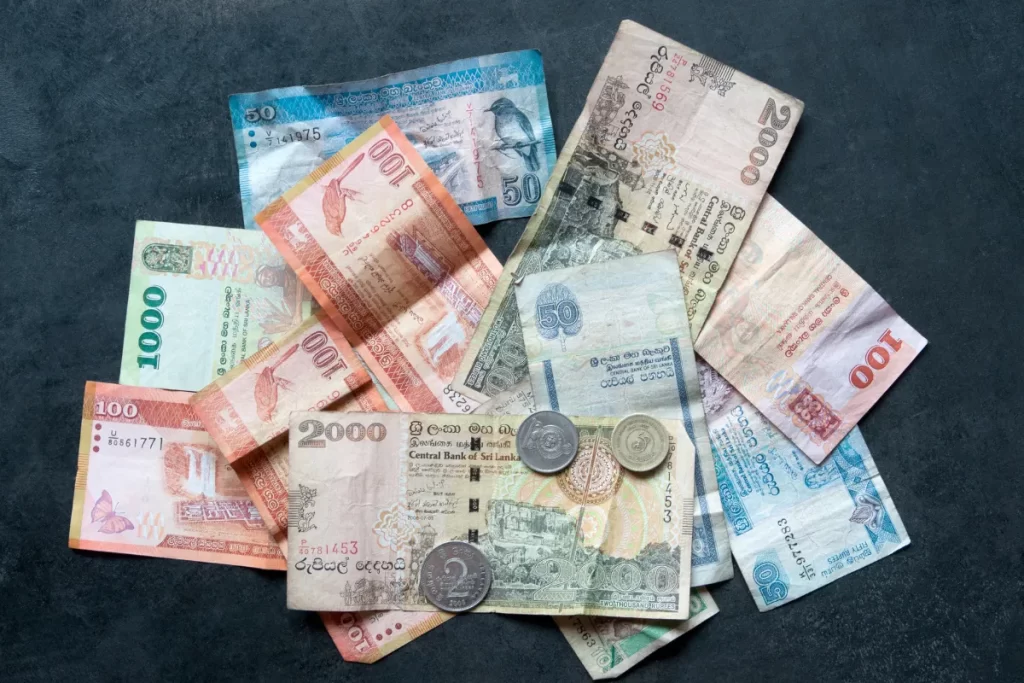
The Sri Lankan rupee (LKR) is the only currency you’ll spend day to day, and while a handful of upscale hotels quote rates in US dollars, everything from tuk-tuks to market stalls runs on rupees. ATMs are common across Fort, Kollupitiya, and Cinnamon Gardens, and most accept foreign cards, though it’s worth carrying some cash for tuk-tuks, small vendors, and temple donation boxes that don’t take cards at all. Exchange rates shift, so check a current rate rather than assuming last year’s numbers still hold. A modest tip, around ten percent, is appreciated in restaurants where a service charge isn’t already added to the bill, though it’s not the rigid expectation it is in some Western countries.
(Read More About – Can You Use US Dollars or Euros in Sri Lanka? Here’s What You Need to Know)
Best Time to Visit Colombo
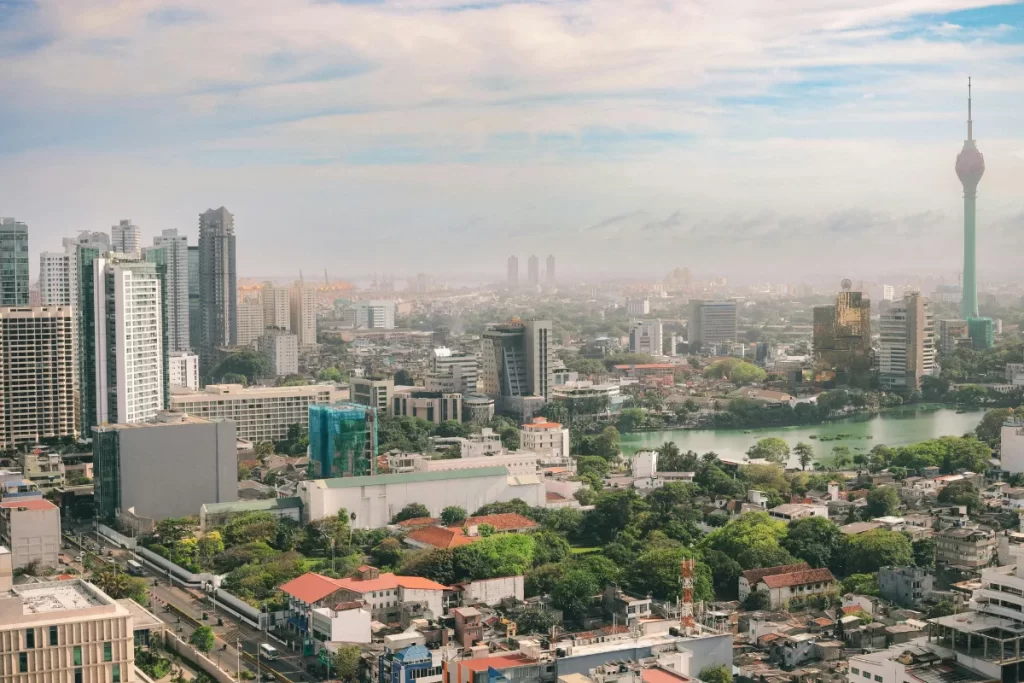
Sri Lanka’s weather splits by coast more than most travel guides let on, and Colombo sits on the west side, which matters. The island gets two monsoon systems: the southwest monsoon runs roughly May to September, and the northeast monsoon follows from October into January. Colombo takes the brunt of the southwest one, so December through April tends to be the driest, sunniest stretch, with humidity that never really disappears but rainfall that drops off noticeably.
Unlike a beach town, though, Colombo doesn’t fall apart in the rain. Museums, temples, markets, and restaurants all work fine around an afternoon shower, so travelers visiting in shoulder months like August or September, when the southern beaches get trickier, often find the city still perfectly workable. Expect warm temperatures year-round, generally in the high twenties to low thirties Celsius, since Colombo sits close enough to the equator that seasons show up as rainfall patterns rather than dramatic temperature swings.
How Many Days Do You Need in Colombo
Two to three days is the sweet spot for most travelers: enough to cover the historic core, the markets, and a proper meal or two without feeling rushed, before moving on to the hill country or the coast.
How to Get to (and Around) Colombo
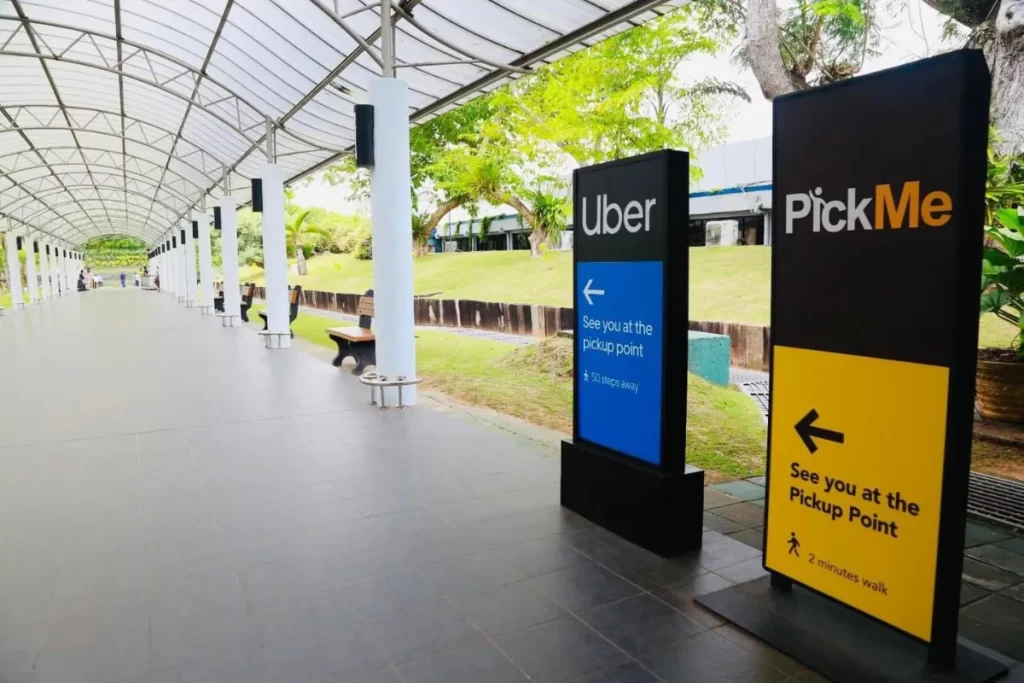
Airport transfers. Bandaranaike International Airport (CMB) sits roughly 30 kilometers north of the city center, and the drive in takes anywhere from 45 minutes to well over an hour depending on traffic, even with the Katunayake Expressway cutting a chunk of that time. Metered taxis and airport taxi counters are the simplest option on a first landing, PickMe works well once your local SIM is active, and an air-conditioned highway bus also runs the route for travelers keeping a tighter budget.
Getting around the city. Tuk-tuks are everywhere and genuinely useful for short hops, but agree on the fare before getting in, or better yet, book through PickMe’s tuk-tuk feature, which locks in a metered price and removes the haggling entirely. A short ride across Fort or Kollupitiya typically runs a modest, low-cost fare in rupees, but confirm the going rate through the app rather than a fixed number here, since prices creep up over time. Uber also runs standard car rides across the city. Fort and the stretch around Galle Face are walkable and genuinely pleasant on foot, especially early morning or just before sunset when the heat eases off. For something different, the coastal rail line runs right alongside Galle Face, and a short local train ride is a cheap, easy way to see the city from a different angle.
Top Things to Do and See in Colombo
Colombo’s sights cluster naturally into a few themes, which makes it easy to build a day around whatever interests you most.
Dive into History and Architecture
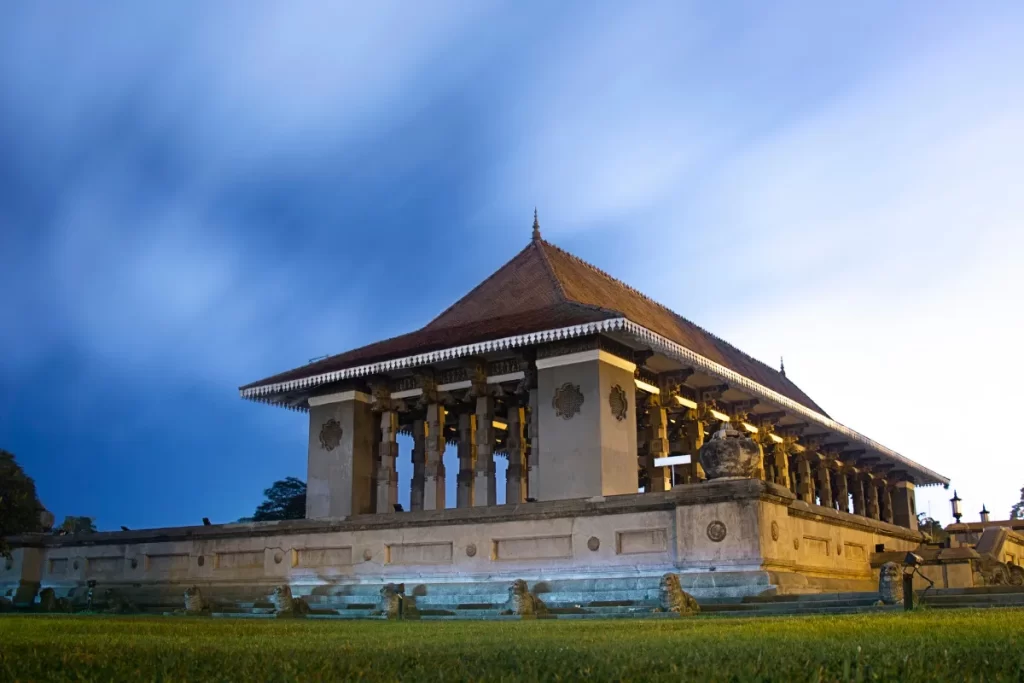
Colombo Fort is where the city’s layered past shows up most clearly: narrow lanes, colonial facades, and the old Dutch Hospital complex, restored into a courtyard of restaurants and shops without losing its original stone-and-timber bones. The National Museum of Colombo, a short distance away, holds the country’s royal regalia and a genuinely impressive collection tracing Sri Lanka’s kingdoms long before colonization began, easily worth an hour or two if history interests you at all. Independence Memorial Hall, built to mark the country’s 1948 independence, rounds out a half-day of history without feeling like a school field trip.
The New Colombo: Lotus Tower and Port City
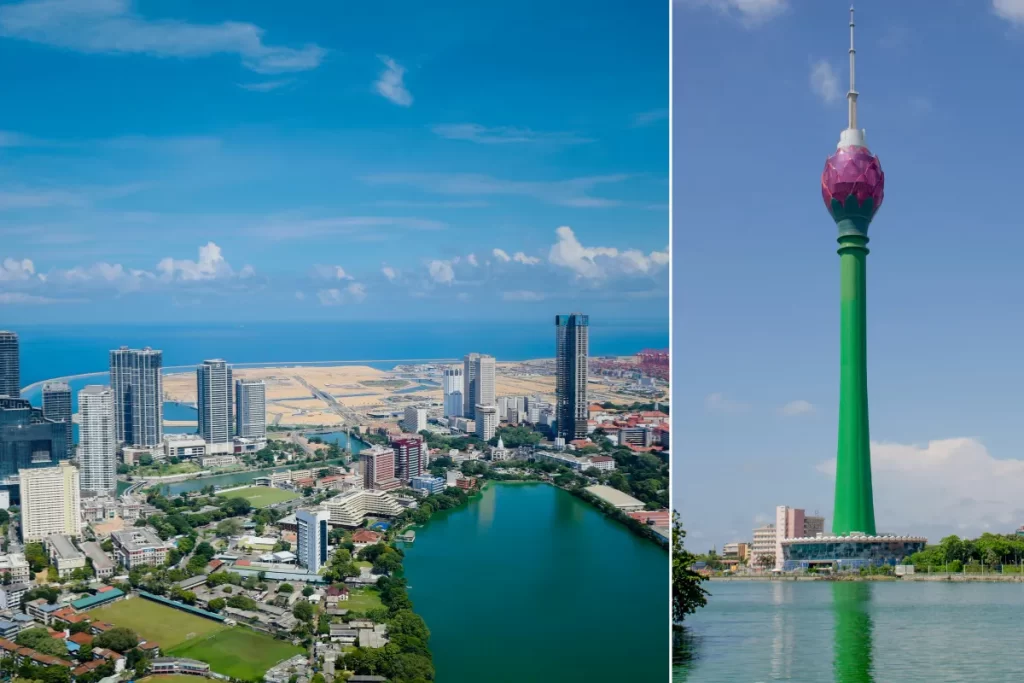
Colombo’s history is only half the story. A short ride from the colonial core, Lotus Tower and Port City show a different, much newer side of the same city, and the contrast is worth carving out time for on its own.
Lotus Tower rises roughly 350 meters over Beira Lake, making it one of the tallest freestanding structures in South Asia and genuinely hard to miss from almost anywhere in the city. The main draw is the observation deck near the 29th floor, about 244 meters up, paired with Pixel Bloom, a small digital art museum on the ground floor covering the tower’s history and Sri Lankan culture more broadly. There’s also a revolving restaurant if you’d rather take the view with a meal attached. Ticket prices for foreign visitors vary noticeably depending on the package, landing somewhere between twenty and thirty-five dollars across different sources, so check the tower’s current rates directly before you go rather than budgeting off an old blog post.
Port City sits on reclaimed land right along the coast, and it’s still very much a work in progress, though enough of it is finished to justify a visit already. Entry is free, arranged through the Port City app, and the marina area has a growing lineup of things to actually do: go-karting at SpeedBay, a golf club with sweeping island views, and water sports ranging from jet skiing to stand-up paddleboarding. It won’t feel like a polished, finished district yet, more like an interesting waterfront still being built out in real time, but that in-progress energy is part of what makes it worth seeing now rather than waiting a few years.
Spiritual Colombo: Temples, Kovils, and Mosques
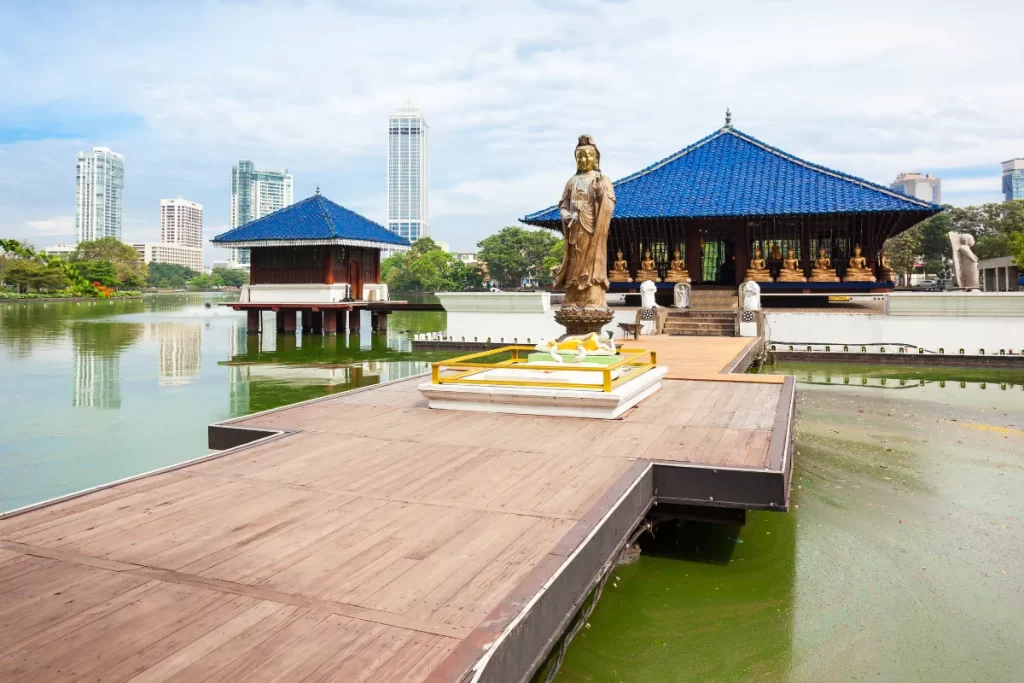
Gangaramaya Temple, right on Beira Lake, is one of the more eclectic religious sites you’ll find anywhere, blending Sri Lankan, Thai, Indian, and Chinese architectural influences under one roof. Its neighbor, Seema Malaka, is a small meditation pavilion designed by Geoffrey Bawa, Sri Lanka’s most influential architect, and it sits directly on the lake, connected by a short walkway that makes for one of the more photogenic five minutes in the city.
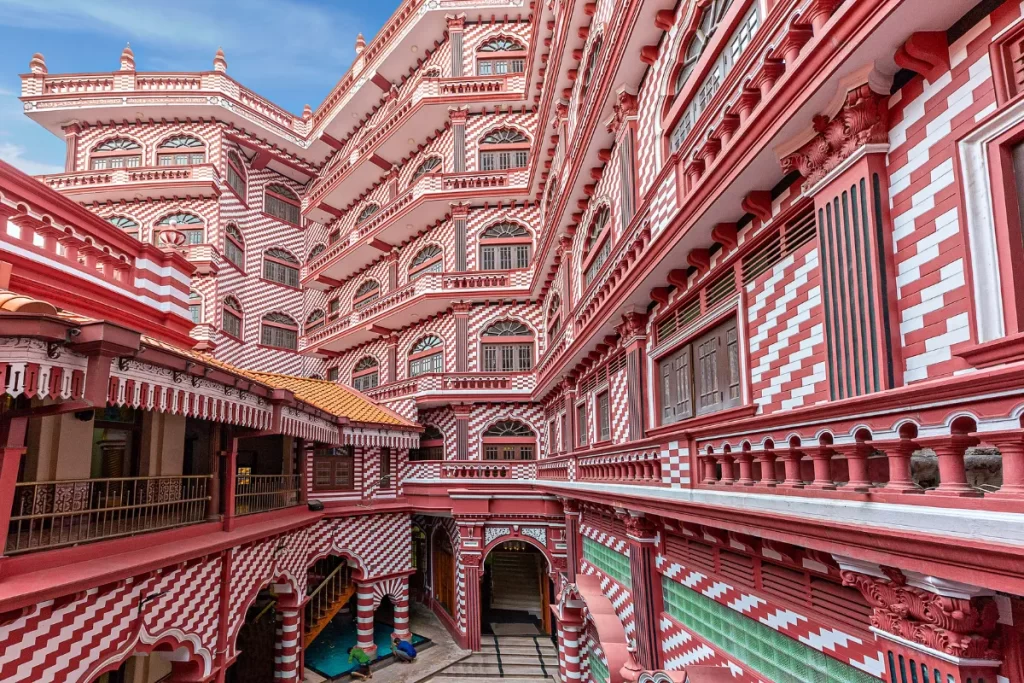
In Pettah, Jami Ul-Alfar Mosque, known locally as the Red Mosque for its distinctive candy-striped facade, is among the most photographed buildings in Colombo. A few streets over, Sri Kailawasanathan Swami Devasthanam holds the title of the city’s oldest Hindu kovil, and its towering, intricately carved gopuram rewards the short detour even for visitors with no particular religious interest. As with any active place of worship here, dress modestly and expect to remove your shoes before entering.
Bustling Markets and Sunset Views
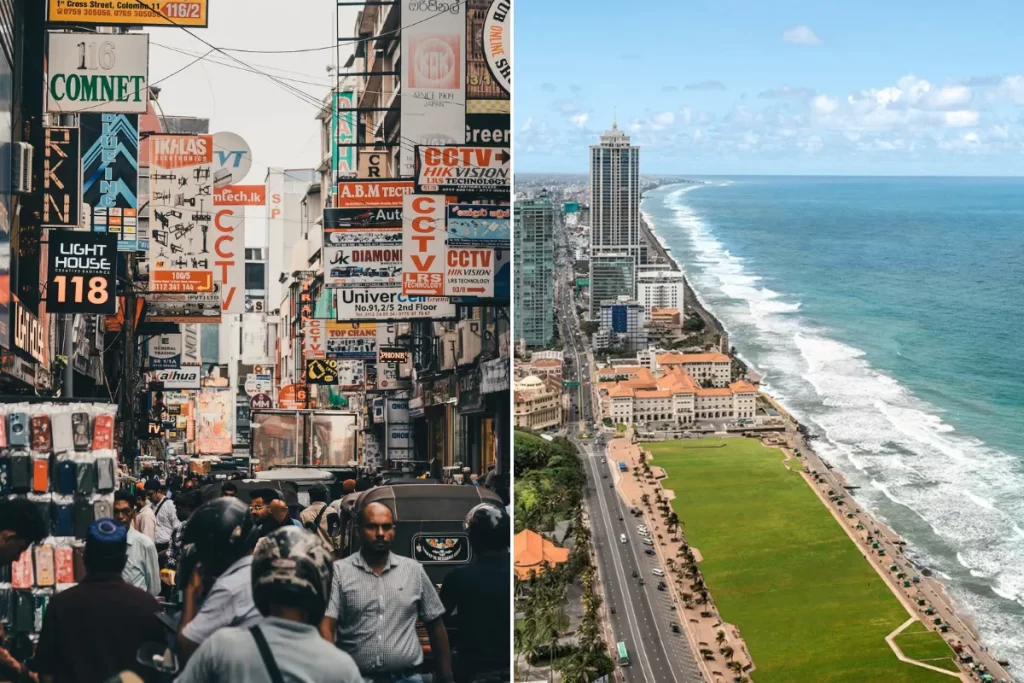
Pettah Market is sensory overload in the best way: narrow streets packed with wholesale traders, spice vendors, textile stalls, and the covered Manning Market for fresh produce. Go in the morning when it’s liveliest, keep valuables zipped away in the crowds, and expect to get slightly lost. That’s part of the experience, not a design flaw.
When the heat of the day finally breaks, Galle Face Green is where locals and visitors gather to watch the sun drop into the Indian Ocean. Kite sellers, street food carts, and couples on evening walks fill the promenade, and it’s one of the few spots in the city where the pace genuinely slows down.
If You Only Have One Day in Colombo
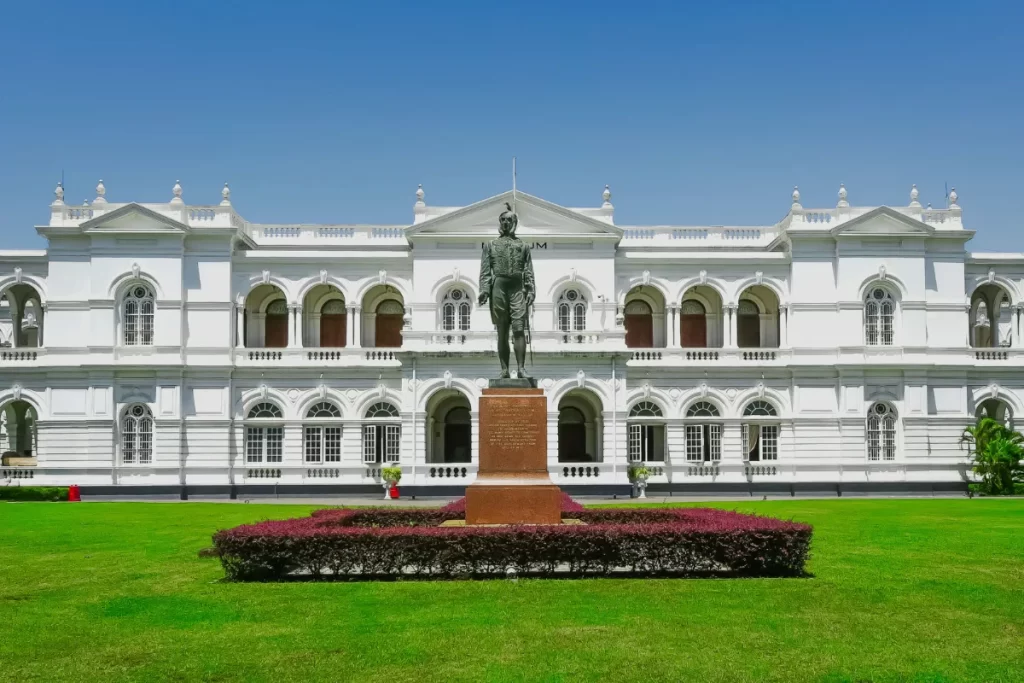
Start early at Gangaramaya Temple and Seema Malaka before the heat and crowds build, then walk or tuk-tuk over to Pettah Market and the Red Mosque while the morning trading energy is still in full swing. Spend the early afternoon in Fort, moving between the National Museum, Independence Memorial Hall, and a late lunch inside the Old Dutch Hospital. Finish at Galle Face Green for sunset, with a plate of isso wade in hand. It’s an ambitious day, but a doable one, and it hits nearly every theme this guide covers in roughly twelve hours.
Where to Eat in Colombo: From Street Food to Fine Dining
Colombo’s food scene covers everything from a rupee-cheap curry at a roadside stall to a reservation-only tasting menu, often within a few blocks of each other.
Street Food and Local Eats
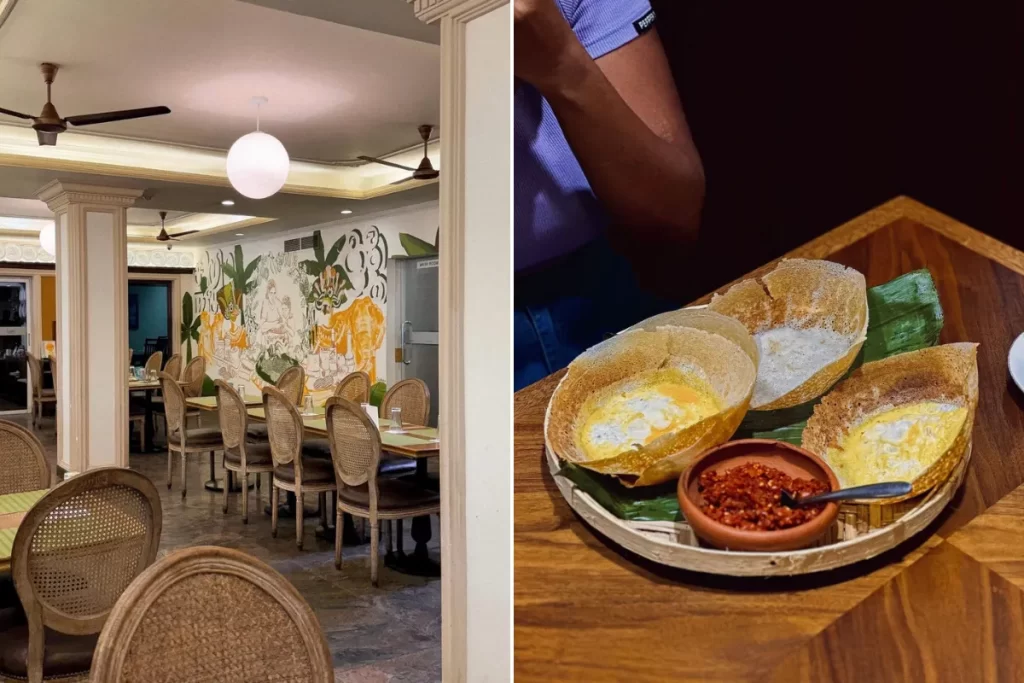
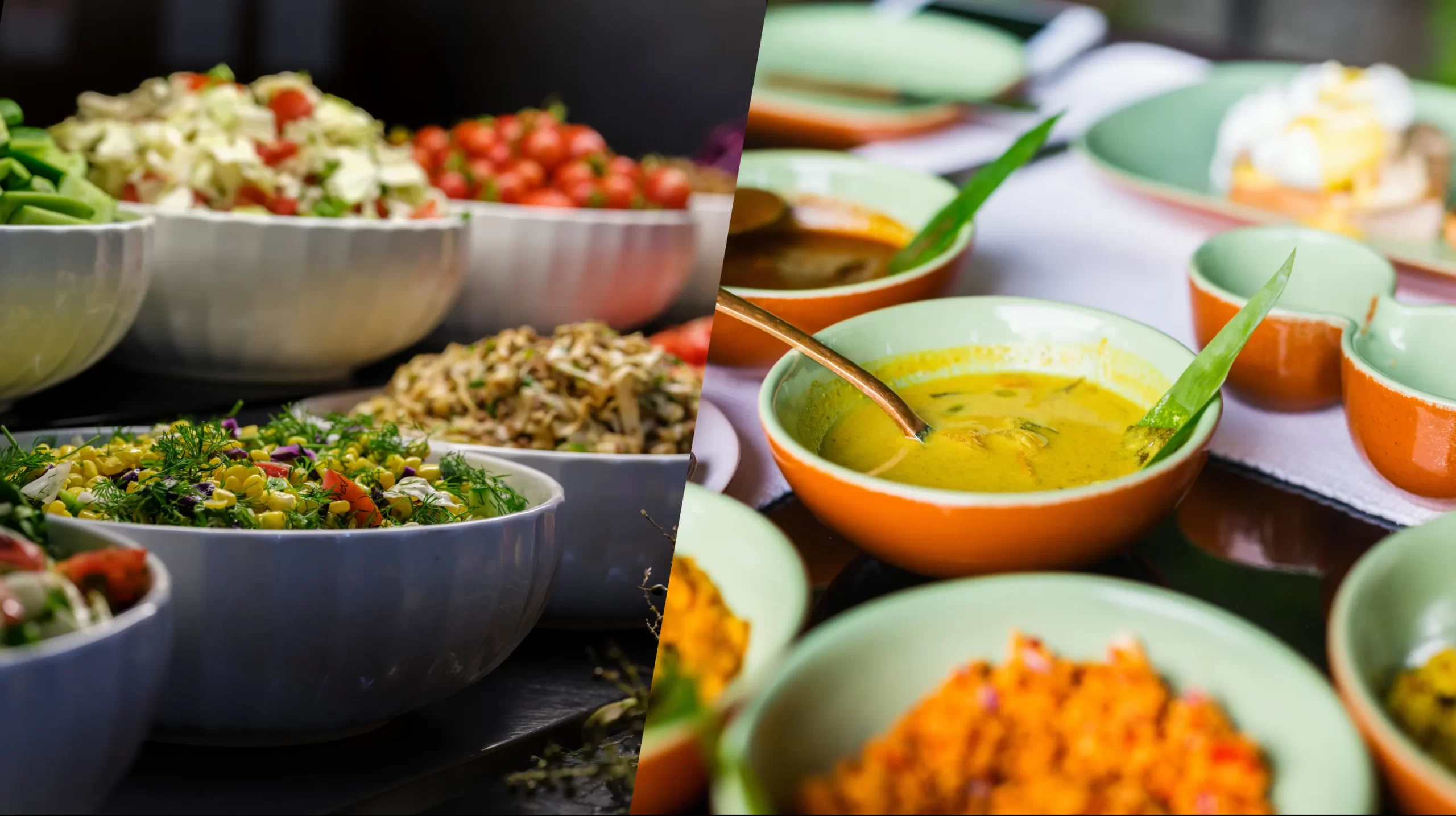
Galle Face Green doubles as an open-air food court most evenings, and isso wade (crispy prawn fritters) and kottu roti (chopped flatbread stir-fried with vegetables, egg, and your choice of meat) are the two dishes worth seeking out there. Egg hoppers, bowl-shaped rice-flour pancakes with a fried egg cracked into the center, are another local staple worth trying at least once, usually best in the morning. For a proper rice and curry lunch, the kind with six or seven small dishes surrounding a mound of rice, local spots like Upali’s or Kolomba Kade serve it the way Sri Lankans actually eat at home, not a tourist-adjusted version. Vegetarian travelers will find this far easier than expected, since a full vegetable curry spread is standard, not an afterthought.
Read More – Colombo’s Best Local Food: Where to Find Beef Curry with Hoppers (Plus What to Order and When)
High-End and Iconic Dining
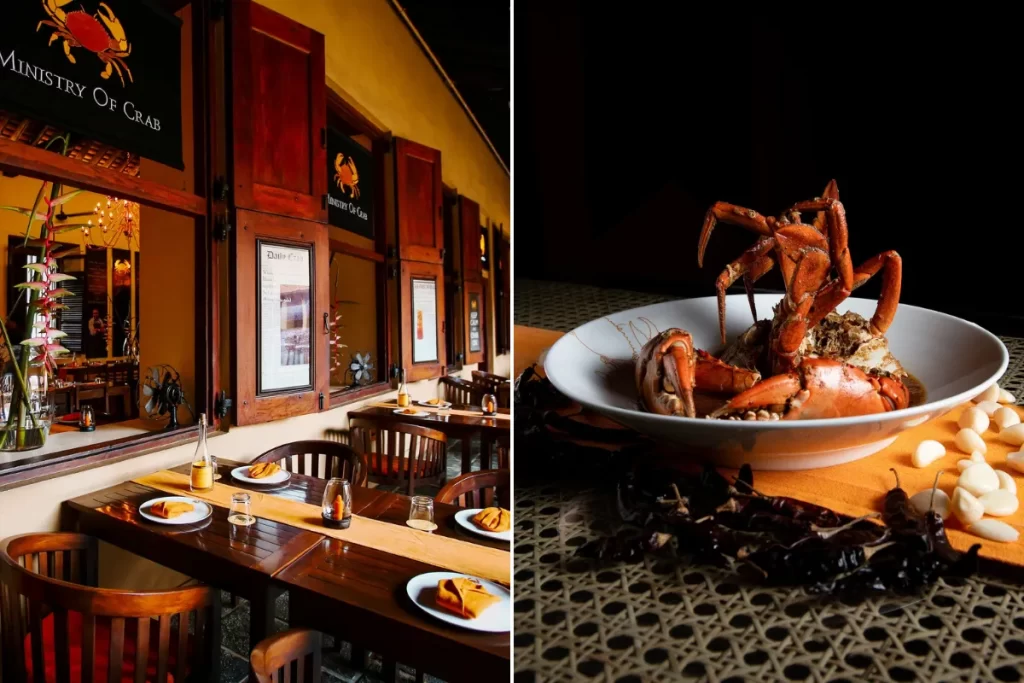
Ministry of Crab, tucked inside the old Dutch Hospital, has built an international reputation around Sri Lankan mud crab, and it’s genuinely one of the reasons some travelers stretch their Colombo stopover into a proper visit. Reservations fill up well in advance, so book before you land rather than after you arrive.
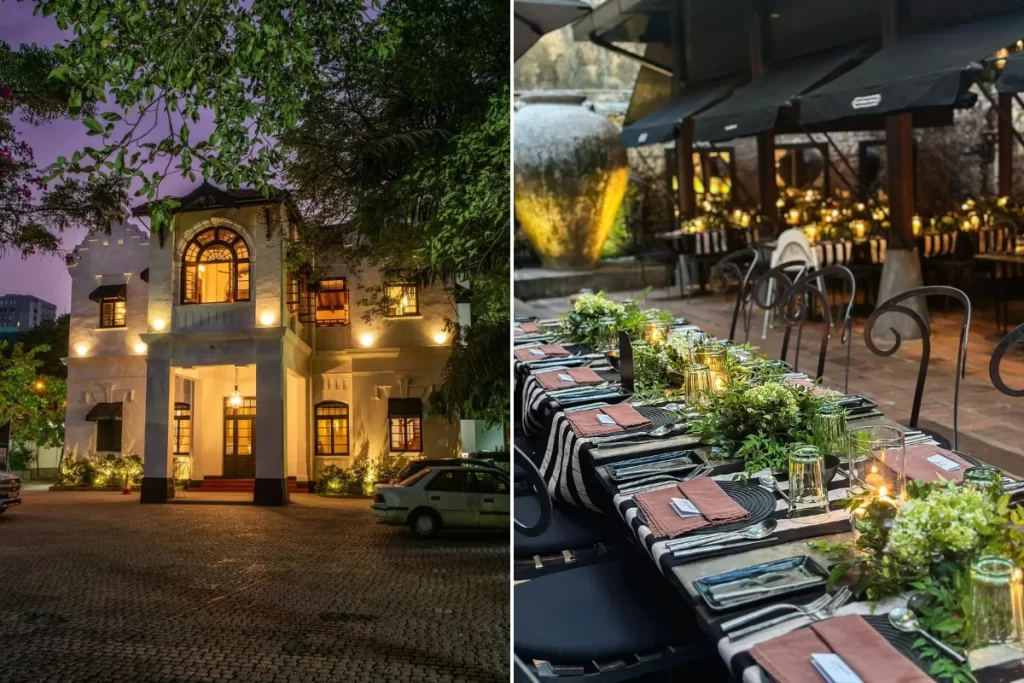
Palmyrah specializes in Jaffna cuisine from the north of the island, distinct in its use of palmyrah products and sharper, more intense spicing than what you’ll find further south. The Dutch Burgher Union serves traditional lamprais, a Dutch Burgher dish of rice, curries, and accompaniments baked together in a banana leaf parcel, in an unpretentious, almost social-club setting worth experiencing for the atmosphere alone. The Gallery Cafe, set inside Geoffrey Bawa’s former architectural office, pairs a genuinely striking space with a fusion-leaning menu. Pricing at this end shifts with the season and the market rate for ingredients like crab, so check current menus directly before you go rather than relying on numbers from an old blog post.
Where to Shop in Colombo
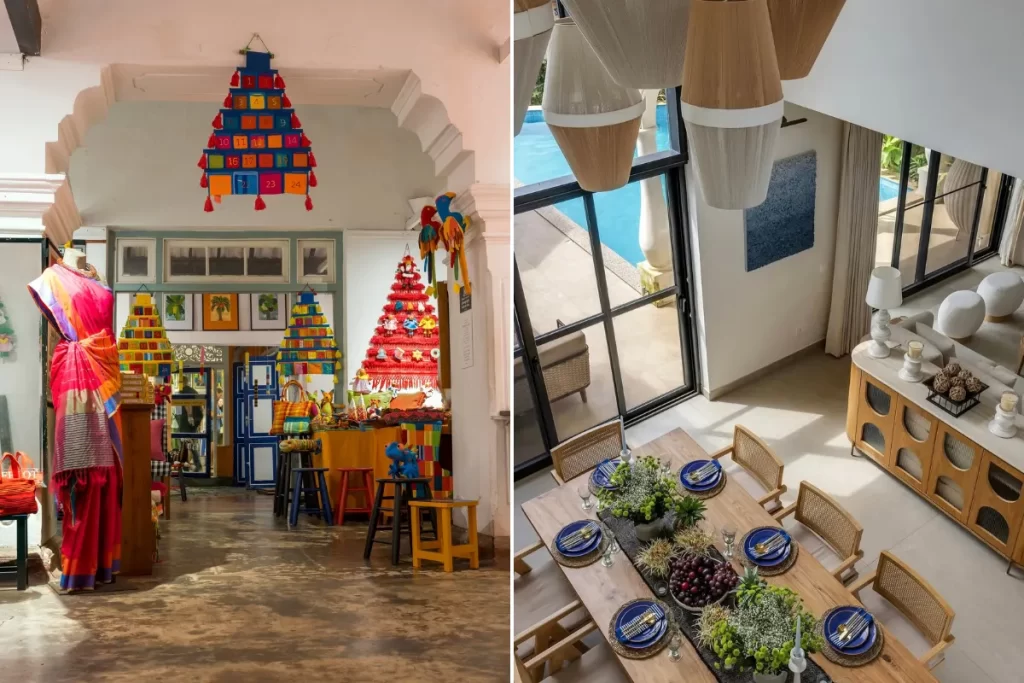
Barefoot is the city’s best-known name for handloom textiles and home goods, and its attached bookshop and courtyard cafe make it easy to lose an hour there without meaning to. Paradise Road carries locally designed homewares and gifts with a more contemporary, design-forward edge, better suited to travelers hunting for something a little different than typical souvenirs. For something with a direct social impact, the Good Market runs a rotating lineup of organic produce and artisanal goods from small Sri Lankan producers on select days, and it functions as much as a community gathering as a shopping trip.
Where to Stay in Colombo: A Neighborhood Guide
Which part of Colombo suits you depends heavily on what you want your mornings and evenings to look like.
Colombo 1 (Fort)
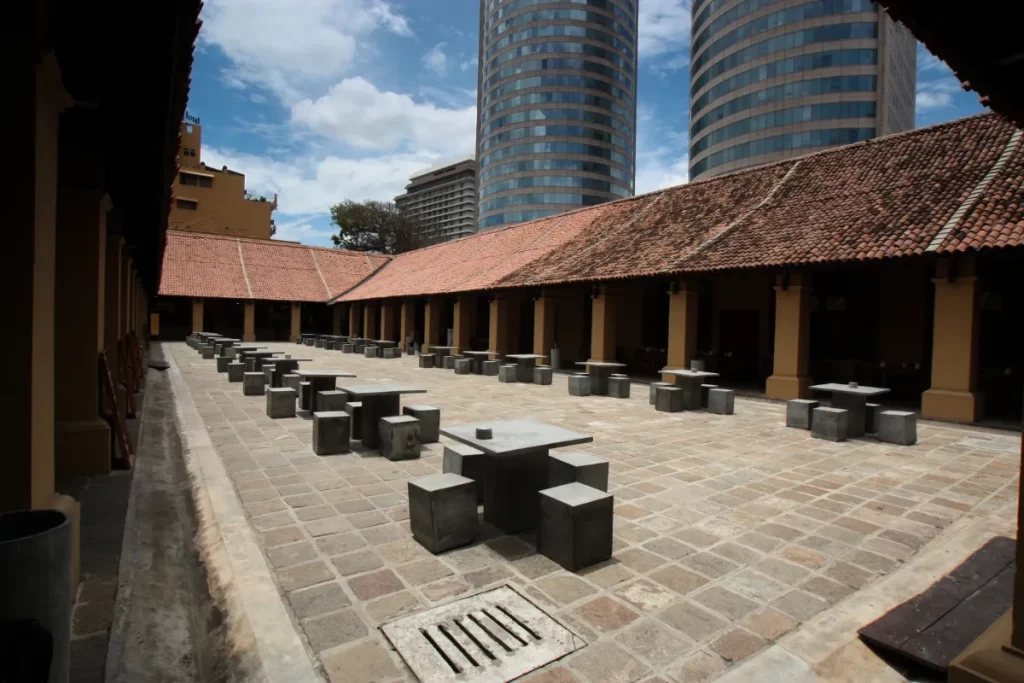
Fort is the historic and commercial heart of the city, and it’s the natural choice for travelers who want colonial architecture and the Old Dutch Hospital’s restaurants right outside their door. Several of the city’s most established luxury hotels sit here, along with a growing number of boutique properties inside restored heritage buildings.
Colombo 7 (Cinnamon Gardens)
Leafy, quiet, and residential, Cinnamon Gardens is where much of Colombo’s old money lives, and it shows in the wide streets and boutique guesthouses tucked behind garden walls. It suits travelers who want distance from Fort’s noise without sacrificing easy access to museums, parks, and a growing cafe scene.
Colombo 3 (Kollupitiya) and Galle Face

This stretch runs along the ocean and puts Galle Face Green, sunset walks, and a run of mid-range to upscale hotels within easy reach. It suits travelers who want to wake up to a sea view without paying Fort’s premium prices. Across all three areas, options range from backpacker hostels to boutique guesthouses to five-star chains, so budget rarely dictates which neighborhood you choose, just which specific property within it.
Is Colombo Safe for Tourists?

Short answer: yes, comfortably so, by the standards of most capital cities. Violent crime against tourists is rare, and the more realistic concerns are the mundane ones: overcharging tuk-tuk drivers, the occasional overly persistent tout near Pettah offering unsolicited “guide” services or gem deals, and standard pickpocket awareness in crowded market areas.
A few habits go a long way. Agree on a tuk-tuk fare before getting in, or use PickMe to lock in a metered price automatically. Keep valuables zipped away in busy areas like Pettah Market, the same way you would in any dense market in any major city. Politely decline unsolicited offers of a “free” temple tour or a gem shop visit, since these are almost always commission-driven rather than genuinely helpful. Walking around Fort and Galle Face after dark is generally fine and reasonably well-lit, though the usual city sense applies: stick to populated streets rather than empty side alleys late at night.
Locals are, by most accounts, genuinely helpful when approached with a question or a lost tourist’s confused expression, and English is spoken widely enough in the city center that language is rarely a real barrier.
Solo female travelers generally report feeling comfortable in Colombo’s main tourist areas during daylight and early evening, though the same common-sense precautions that apply in any unfamiliar city (sticking to well-populated streets at night, keeping a rough sense of the route back to your hotel) still apply here. It’s worth saving Sri Lanka’s tourist police hotline in your phone before you land, more as a precaution than an expectation you’ll ever need it.
Leaving Colombo: What Comes Next
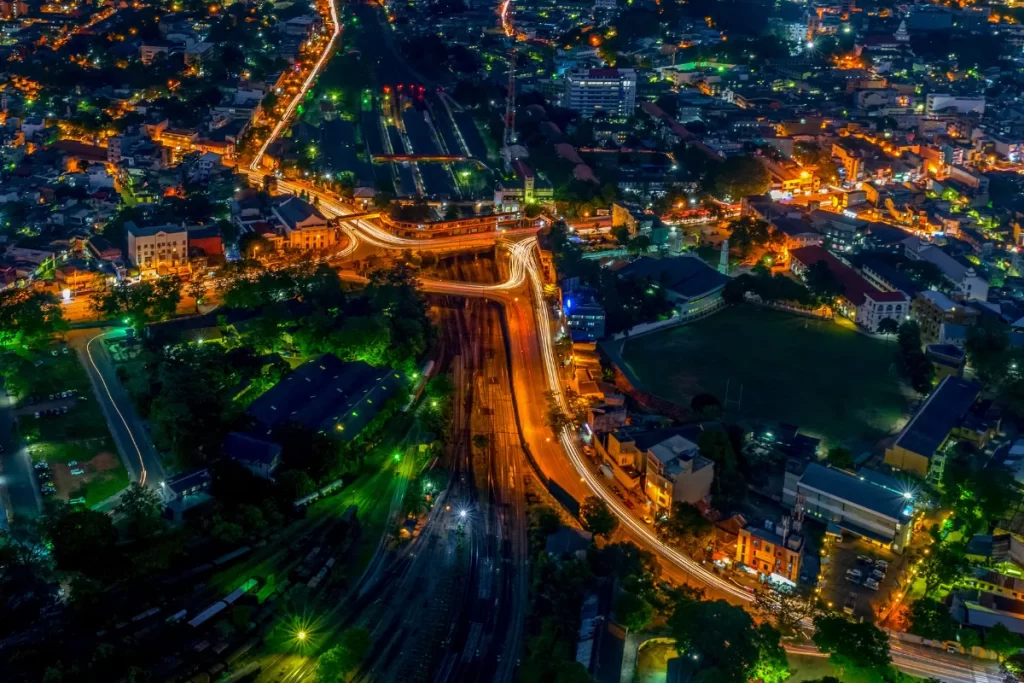
Once you’ve had your fill of the capital, Fort Railway Station is the launchpad for the rest of the country. Trains to Kandy wind up through increasingly green hill country, and the line to Galle hugs the coast closely enough that you’ll catch ocean views for most of the ride. Both routes are scenic enough that the journey counts as part of the trip, not just a transfer between destinations. Reserved seating on the more popular Kandy services sells out days ahead in peak season, so book that in advance rather than showing up hoping for a seat.
If Kandy’s temples and hill country are next on your list, covers what to expect once you arrive. For the coastal route south, picks up where this one leaves off.
Colombo Travel Guide: Frequently Asked Questions
Is Colombo worth visiting, or should I skip straight to the beaches?
Yes, and it’s worth more time than most itineraries give it. Colombo mixes colonial architecture, working temples and mosques, markets, and a genuinely strong food scene into a compact area, all of which is easy to cover in a couple of days before heading to the coast or the hill country.
How many days do you need in Colombo?
Two to three days covers the city properly: the historic core, the markets, and at least one memorable meal, without feeling rushed.
What is the best time of year to visit Colombo?
December through April is generally the driest and sunniest window, since Colombo sits on the side of the island most affected by the southwest monsoon, which runs roughly May to September. Because most of what the city offers, museums, temples, markets, and restaurants, holds up fine through a passing shower, Colombo stays a reasonable option even in shoulder months when the southern beaches get trickier.
Is Colombo safe for tourists, including at night?
Colombo is generally safe by the standards of most capital cities, with violent crime against tourists rare. The more realistic concerns are practical ones: agreeing on tuk-tuk fares upfront, watching for persistent touts near Pettah, and standard pickpocket awareness in crowded markets. Fort and Galle Face are reasonably well-lit and walkable in the evening, though sticking to populated streets after dark is sensible anywhere.
Do I need a visa to visit Colombo?
Most nationalities need Sri Lanka’s Electronic Travel Authorization (ETA), applied for online before arrival rather than at the airport. Requirements and fees do change from time to time, so it’s worth confirming the current process on Sri Lanka’s official immigration site a few days before you fly.
How do I get from Colombo airport to the city?
Bandaranaike International Airport sits around 30 kilometers north of the city center, roughly 45 minutes to over an hour away depending on traffic. Metered taxis, PickMe, and an air-conditioned highway bus all cover the route, and the Katunayake Expressway shaves a meaningful chunk off the drive.
Is tap water safe to drink in Colombo?
Bottled or properly filtered water is the safer default for visitors, and it’s sold everywhere from hotels to corner shops. Most hotels and restaurants that cater to travelers use filtered water for ice and cooking, but sticking to sealed bottled water for drinking is the simplest way to avoid an upset stomach on your trip.
What currency is used in Colombo, and can I pay by card?
The Sri Lankan rupee is the everyday currency, and while cards are widely accepted at hotels, restaurants, and larger shops, cash is still useful for tuk-tuks, market stalls, and temple donation boxes. ATMs are common across Fort, Kollupitiya, and Cinnamon Gardens.
Is Colombo expensive to visit?
It can be as budget-friendly or as upscale as you want. Street food and local rice and curry spots cost very little, mid-range hotels and Uber or PickMe rides keep transport and lodging reasonable, and the city’s higher end, places like Ministry of Crab or five-star hotels in Fort, sits closer to prices you’d expect in any major capital. All three tiers exist within a few blocks of each other in most neighborhoods.