Palm trees blur past train windows, tuk-tuks buzz through narrow lanes, and buses thunder down highways with horns that sing. Getting around Sri Lanka is part of the adventure, and knowing your options helps you travel smoother. Don’t worry you’ll find a way that fits your style, budget, and pace.
Trains: Slow, Scenic, and Iconic

Why take them:
How it works:
- Tickets: Reserved seats (1st & 2nd class) open 30 days in advance. They sell out quickly.
- Unreserved tickets: Always available on the day, but expect crowds and standing.
- Seats for views: Toward Badulla, sit left; leaving Kandy, sit right, then swap after Nanu Oya.
- Time: Journeys are long—Colombo to Badulla can take 9+ hours—but the scenery is the reward.
(Tip: Carry snacks, water, and a light jacket. The hill country cools fast.)
Buses: Fast, Cheap, and Everywhere

Why take them:
Buses go almost everywhere, often faster than trains. They’re cheap and good for short hops or intercity trips.
Types:
- Regular buses: Very cheap but crowded.
- Highway or A/C buses: More comfortable and faster on expressways (e.g., Colombo to Galle or Matara).
When they shine: If you’re on a budget, buses keep you moving quickly. Just keep small notes ready for fares.
Tuk-Tuks: Flexible Short Rides

Why take them:
Perfect for city runs or short trips to the beach, temples, or train stations. They’re everywhere, and rides are fun with the wind in your face.
How to pay:
- Ask for the meter.
- If no meter, negotiate politely.
- In Colombo, Kandy, and Galle, use PickMe or Uber to avoid haggling.
(Side note: Always carry 100s and 200s – drivers often “don’t have change.”)
Private Car and Driver: Door-to-Door Ease
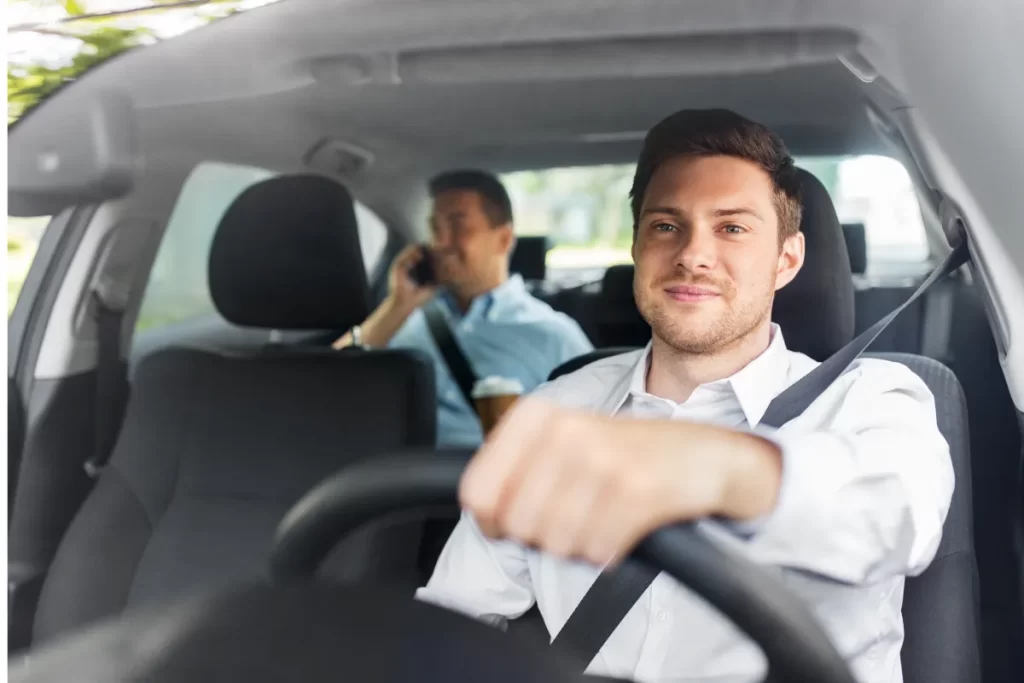
Why take one:
If you’re short on time, traveling with family, or want to cover multiple stops in a day, a driver is worth it.
When it makes sense:
- Long transfers (airport to hill country).
- Safaris or off-the-beaten-path stops.
- Multi-day loops where public transport would take too long.
Costs: Higher than buses or trains, but you’re paying for comfort and flexibility.
Ride-Hailing and Taxis

In Colombo and a few big towns, PickMe and Uber work for tuk-tuks and cars. They’re safer at night and useful when you don’t know the route. Outside major cities, apps are patchier fall back on tuk-tuks or pre-booked transfers.
Putting It All Together: Sample Travel Flow
- Coast first: Colombo → train to Galle (sea views).
- Wildlife: From Galle, take a car or bus to Udawalawe or Yala for safari.
- Hill country: Road to Ella, then train through tea fields to Kandy.
- Back to city: Express bus or car to Colombo.
This loop mixes trains, road, and short tuk-tuks letting you enjoy each mode where it shines.
Safety, Language, and Comfort

- English: Common in big stations; less so in rural stops. Simple phrases and smiles go a long way.
- Upgrades: Sometimes you can upgrade tickets on the day, but treat it as luck, not a guarantee.
- Crowds: Weekends and holidays are busiest. Travel on weekdays if you prefer space.
- Luggage: Keep it compact. Trains and buses have limited rack space.
Final Word: Choose Your Pace
Sri Lanka doesn’t demand one way of travel. If you want scenic and slow, hop on a train. If you’re rushing to the next beach, grab a bus. If you want ease, hire a driver. Mix and match. Each ride whether it’s leaning out of a carriage door or haggling for a tuk-tuk adds to the story.
👉 Next step: Decide what matters most to you time, budget, or scenery. Then plan your route around that priority. The rest will fall into place as you ride.
Cover photo (Image Credit: @ashan_travelphotographer)
FAQs About Getting Around Sri Lanka
What is the best way to travel around Sri Lanka?
It depends on your priorities.
For scenic views, take the train (especially Kandy–Ella).
For speed and budget, choose buses.
For flexibility and comfort, hire a private driver or car.
Most travelers mix all three depending on the route.
Are trains in Sri Lanka safe and reliable?
Yes — trains are generally safe and an iconic part of travel in Sri Lanka. They can be slow, but the scenery is unforgettable. Always keep valuables close and buy reserved seats in advance for long journeys like Colombo to Ella.
How can I book train tickets in Sri Lanka?
You can:
Buy in person at major train stations up to 30 days ahead, or
Use local travel agents or online booking platforms (12GoAsia, VisitSriLankaTours, etc.)
Unreserved tickets are always available on the day but expect crowds.
Are tuk-tuks safe for tourists?
Yes — tuk-tuks are safe and very common. Just ask for the meter or agree on a price first. In Colombo, Kandy, and Galle, apps like PickMe and Uber are the best way to avoid overcharging.
How much does a tuk-tuk ride cost?
Short city rides usually cost LKR 300–800 (USD 1–3). Longer rides or airport transfers will cost more. Always carry small notes (100s, 200s) as many drivers won’t have change.
What’s the best option for long-distance travel?
For long routes like Colombo to Kandy, Galle, or Ella, choose:
Express trains (scenic and affordable)
Highway A/C buses (fast and cheap)
Private cars with drivers (comfortable but higher cost)
Is it expensive to hire a private driver in Sri Lanka?
Not at all compared to Western prices. A private car with driver usually costs LKR 15,000–25,000 (USD 45–75) per day, including fuel. It’s ideal for multi-stop trips or family travel.
Do ride-hailing apps like Uber work in Sri Lanka?
Yes in Colombo and major cities, both Uber and PickMe work for cars and tuk-tuks. Outside main towns, coverage is limited, so you’ll rely on local taxis or hotel-arranged rides.
Is public transport suitable for solo travelers or women?
Yes, absolutely. Sri Lanka is welcoming and safe for solo travelers. Use daytime routes, reserved train compartments, and trusted ride-hailing apps for peace of mind.
What’s the most scenic train journey in Sri Lanka?
The Kandy–Ella route through the hill country is world-famous — expect misty tea plantations, waterfalls, and mountain tunnels. Other beautiful rides include Colombo–Galle (coastal line) and Badulla–Nanu Oya.