
Yala National Park is Sri Lanka’s most visited safari park and home to one of the highest leopard densities in the world. Covering around 979 square kilometers on the southeastern coast, it was first protected as a sanctuary in 1900 and became a national park in 1938. A half-day jeep safari costs roughly $60 to $80 per vehicle plus a park entry fee of around $35 to $45 per person, and February to July is the best window for wildlife, with April to July giving the strongest odds of a leopard sighting. This guide covers the park’s blocks and gates, realistic costs, where to stay, and how to avoid the worst of the crowds.
Is Yala National Park, Sri Lanka Worth Visiting?

Yes, with the right expectations. Yala is real wilderness, not a zoo. Dusty tracks cut through dry forest, lagoons shimmer in the heat, and a leopard sighting is a genuine possibility rather than a guarantee. That uncertainty is part of what people come for.
Yala is right for you if:
- You want a real wildlife experience, not a staged one
- You’re excited by the chance, not the promise, of seeing a leopard
- You can handle early starts, heat, and dusty roads
If you expect guaranteed sightings or an empty, peaceful park, Yala’s popularity may test your patience, especially around the main gate in peak season.
Yala at a Glance
| Question | Short answer |
|---|---|
| Size | Around 979 km², part of a wider protected complex of roughly 1,268 km² including adjoining reserves |
| Status | Sanctuary since 1900, national park since 1938 |
| Best known for | One of the highest leopard densities in the world |
| Best months | February to July, with April to July best for leopards |
| Avoid | October to January (wetter, denser cover, harder sightings) |
| Half-day jeep cost | Roughly $60 to $80 per vehicle, plus entry fees |
| Gateway town | Tissamaharama |
History and Overview
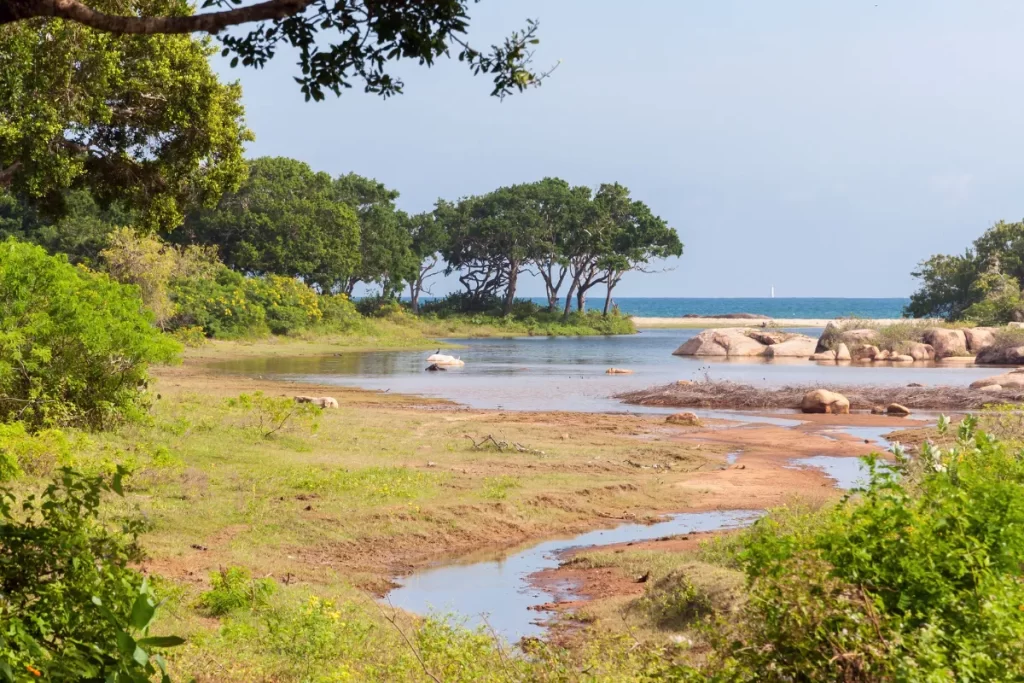
Yala was declared a wildlife sanctuary in 1900 and upgraded to national park status in 1938, making it one of Sri Lanka’s two oldest national parks alongside Wilpattu. The core park covers about 979 square kilometers, though the wider protected area, including the adjoining Strict Nature Reserve and sanctuaries like Kataragama and Nimalawa, stretches closer to 1,268 square kilometers. It’s divided into five blocks, and almost all visitors spend their time in Block 1, the most accessible and wildlife-dense section.
The park also holds real cultural weight. Sithulpawwa, an ancient rock temple inside the park boundary, is said to have housed as many as 12,000 monks at its peak. Magul Maha Viharaya is traditionally linked to the marriage of King Kavantissa, a figure from Sri Lankan royal history. The 2004 Indian Ocean tsunami struck Yala’s coastline hard, and Patanangala Beach, inside the park, now carries a memorial to those who lost their lives there.
Where Is Yala & How to Get There
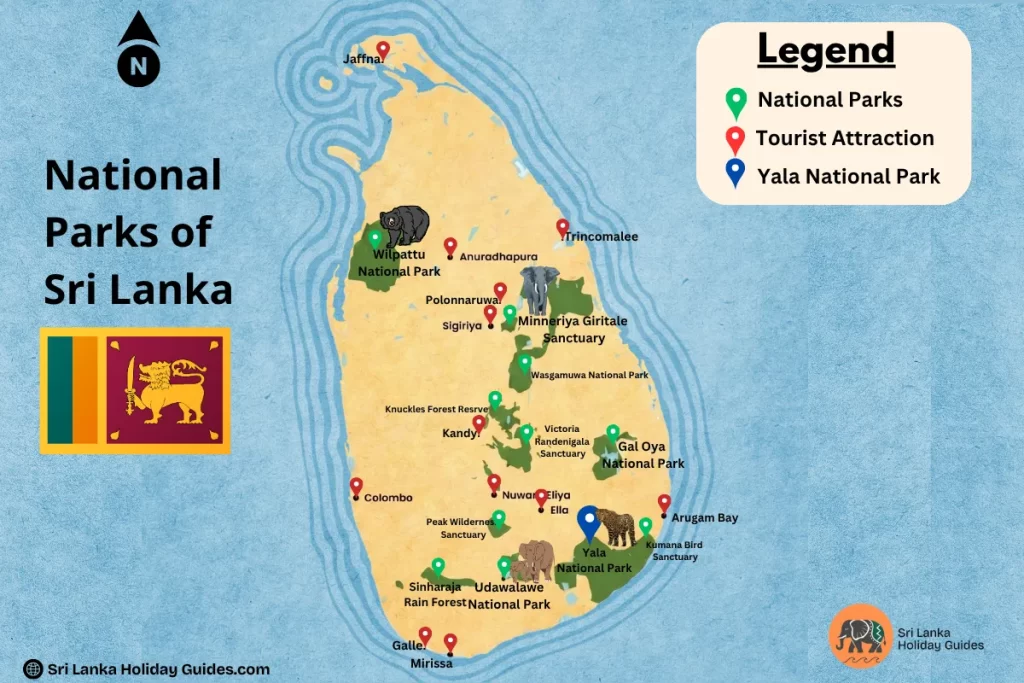
Yala sits on Sri Lanka’s southeastern coast, within reach of both the south coast beach towns and the hill country, though it’s a real journey from Colombo.
Getting There
- From Ella (about 90 km): 2.5 to 3 hours by private car, or 3.5 to 4.5 hours by local bus via Wellawaya.
- From Tangalle or Mirissa (roughly 150 to 160 km): 3 to 4 hours by private car, or a longer bus journey via Matara to Tissamaharama.
- From Colombo (around 260 to 270 km): 5 to 6 hours by private car, or 6 to 7 hours by direct bus to Tissamaharama. Worth breaking up with an overnight stop en route.
- From Nuwara Eliya: 4 to 5 hours by private car, descending through hill country tea plantations.
Staying close to the park matters more than it might seem. Early starts are non-negotiable for the best wildlife activity, and a long drive the morning of your safari works against you.
Yala's Five Blocks and Safari Routes

Yala is divided into five blocks, and where you go shapes your experience more than almost any other decision you’ll make.
- Block 1: The classic Yala safari. Best infrastructure, highest wildlife density, and by far the busiest. This is where the “jeep jam” problem is worst, covered below.
- Block 2: Adjoins Block 1, reached through the same general area, slightly quieter.
- Blocks 3, 4, and 5: Wilder, far less crowded, with fewer guaranteed sightings but a much more peaceful experience. Block 5 in particular has had strong leopard sightings in recent years.
A good guide knows which block suits your priorities, whether that’s maximizing leopard odds or avoiding a convoy of jeeps around a single sighting.
Best Time to Visit Yala National Park
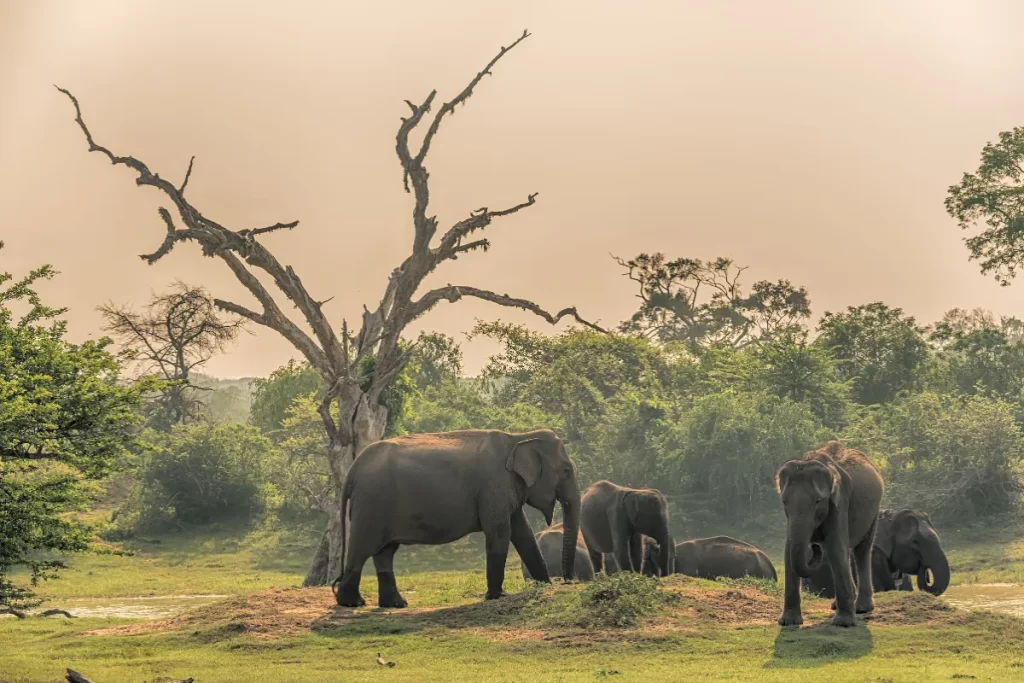
Peak Wildlife Season: February to July
Water levels drop through the dry season, concentrating animals around the remaining waterholes and lagoons. This is the most reliable window for wildlife sightings overall.
Best Leopard Chances: April to July
As the dry season deepens, grass and undergrowth thin out, making leopards easier to spot. April through July consistently gives the strongest odds of multiple sightings in one safari.
Sloth Bear Season: May to July
Palu trees fruit during this stretch, drawing sloth bears out into the open to feed. A sloth bear sighting is still a special event, even for experienced guides, but your odds improve here.
Birdwatching Season: November to January
Migratory waterfowl arrive from Central Asia and the Himalayas after the northeast monsoon, which makes this a strong window for birders even though it’s the weaker season for leopards and general mammal sightings.
Annual Closure
Block 1 typically closes for 30 to 60 days around September and October, letting the habitat recover from the dry season’s pressure. Exact dates shift year to year, so check before you book if your trip falls in that window.
Crowd Timing
Visitor numbers peak from December to April. May and June offer a useful trade-off: fewer vehicles on the road and still strong wildlife viewing, since the dry season hasn’t fully broken yet.
Months to Be Careful With
October to January brings rain and thicker vegetation. Sightings drop off, and some tracks can close after heavy rain.
Entrance Gates and the Jeep Jam Problem

Yala has a real overcrowding problem, and knowing the gates is the single best way to manage it.
Palatupana Gate
The main entrance into Block 1, and by far the busiest. More than 200 jeeps can enter here on a single morning. When one jeep radios a leopard sighting, 30 to 50 others can converge on the same spot within minutes, creating genuine traffic jams and stressing the animal. This is the gate most first-time visitors use, and it’s the gate most responsible for Yala’s crowding reputation.
Katagamuwa Gate
A quieter route into Blocks 1 and 2, used by roughly 20 to 30 vehicles on a typical day instead of 200-plus. You still get Block 1’s wildlife density, with a fraction of the traffic.
Galge Gate
The quietest option, giving access to Blocks 3, 4, and 5. Vehicle numbers here are deliberately kept low, and it’s the gate to pick if a peaceful safari matters more to you than maximizing your odds of a leopard in the first hour.
How to Avoid the Worst of It
- Enter through Katagamuwa or Galge instead of Palatupana where possible
- Book an afternoon drive, which tends to see fewer vehicles than the morning rush
- Choose an operator that doesn’t chase radio calls or crowd a sighting
Since January 2024, Sri Lanka has required every safari jeep entering the park to carry a licensed tracker or be driven by a Department of Wildlife Conservation-trained driver. It’s a real improvement, but it addresses driver behavior, not the sheer number of vehicles, so the gate you choose still matters more than the rule does.
Safari Costs
| Item | Typical cost |
|---|---|
| Half-day jeep rental (Palatupana, seats up to 6) | Roughly $60 to $80 per vehicle |
| Full-day jeep rental (6 am to 6 pm) | Roughly $110 to $150 per vehicle |
| Park entry and taxes | Roughly $35 to $45 per adult |
| Galge Gate (Blocks 4 and 5), half-day | Roughly $75 to $80 per vehicle |
| Galge Gate (Blocks 4 and 5), full-day | Roughly $105 to $115 USD per vehicle |
| Camera permit (large lenses) | Around 500 LKR ($1.50 to $2) |
| Driver and tracker tip | 500 to 2,000 LKR each, per drive |
These figures are for the jeep and entry fee booked separately, which is usually cheaper than an all-inclusive private tour package. All-inclusive packages that bundle the jeep, entry fee, and hotel pickup commonly run higher, often $100 to $220 or more per person depending on the operator and group size, so compare what’s actually included before you book, not just the headline price.
Choosing the Right Safari Time

Morning Safari
Starts around 5:30 am. Cooler temperatures and higher animal activity make this the best option for leopards.
Afternoon Safari
Runs roughly 2 pm to 6 pm. Softer light, active predators, and elephants often appear near water as the heat breaks.
Full-Day Safari
Covers both windows, roughly 6 am to 6 pm, and lets you cover more ground across blocks. It’s a long, dusty day, so it suits committed wildlife travelers more than a first visit.
Wildlife You Can See in Yala
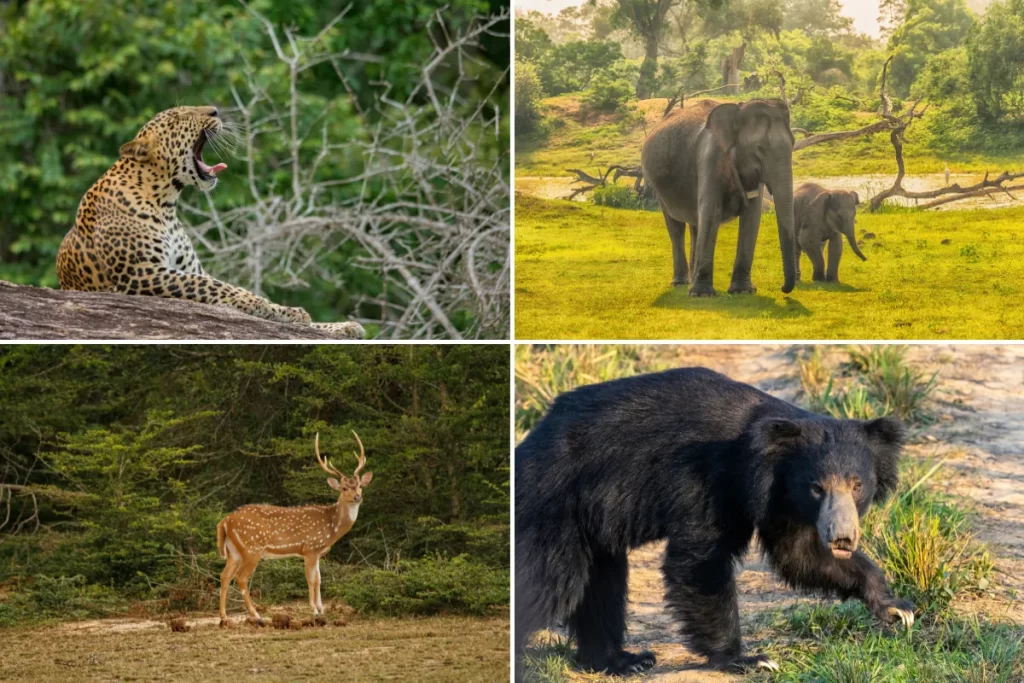
- Leopards: Yala holds one of the highest leopard densities anywhere in the world, with Block 1 the most reliable area for a sighting.
- Elephants: Frequently seen around lagoons and waterholes, especially as the dry season progresses.
- Sloth bears: Seasonal, best chance May to July during Palu fruiting.
- Other mammals: Wild water buffalo, spotted deer, wild boar, toque macaques, jackals, mongoose, and crocodiles all turn up regularly.
- Birdlife: More than 215 recorded species, including painted storks, hornbills, and bee-eaters.
Seeing several of these in one drive is possible, but never guaranteed. Patience genuinely matters here more than luck alone.
Where to Stay Near Yala
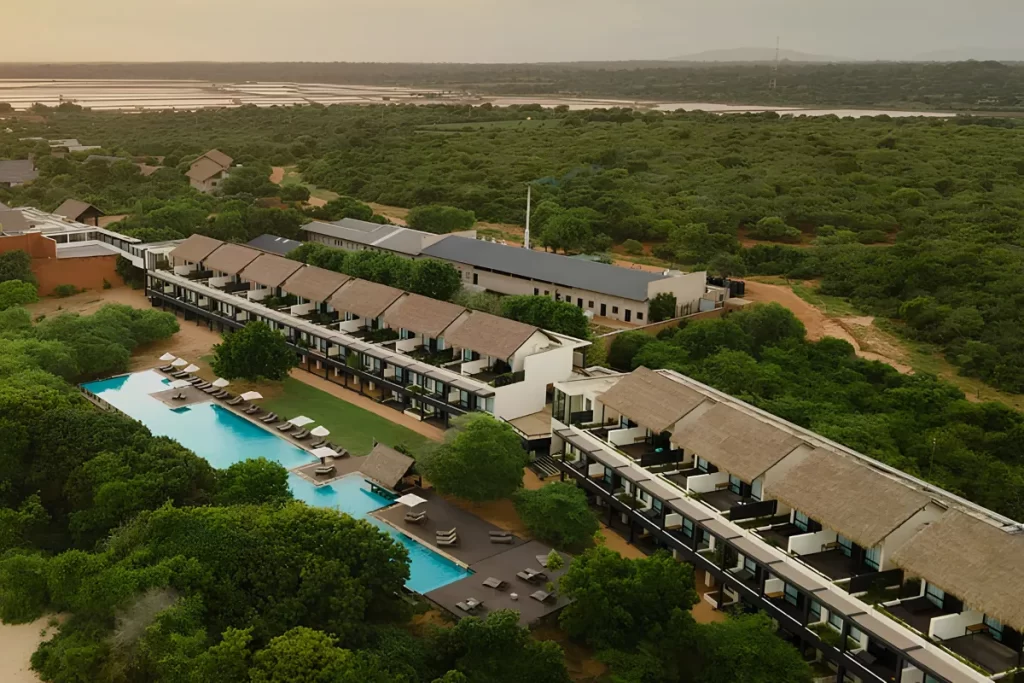
Choosing the right base shapes how smooth your early mornings feel.
Tissamaharama
The main gateway town, around 20 minutes from Palatupana Gate, with the widest range of guesthouses and hotels. Most first-time visitors base themselves here.
Kirinda and Palatupana Coast
A coastal dune area closer to the park, home to several eco-luxury lodges for travelers who want to wake up closer to the action.
Park Buffer Zone Camps
Tented canvas camps right on the park’s edge, offering an immersive, open-air jungle stay rather than a conventional hotel room.
Katagamuwa and Kataragama
Quieter, further from the main gate, and close to Kataragama’s sacred pilgrimage sites. A good option if you’d rather stay somewhere calmer and don’t mind a slightly longer drive to the gate.
Recommended Hotels by Category
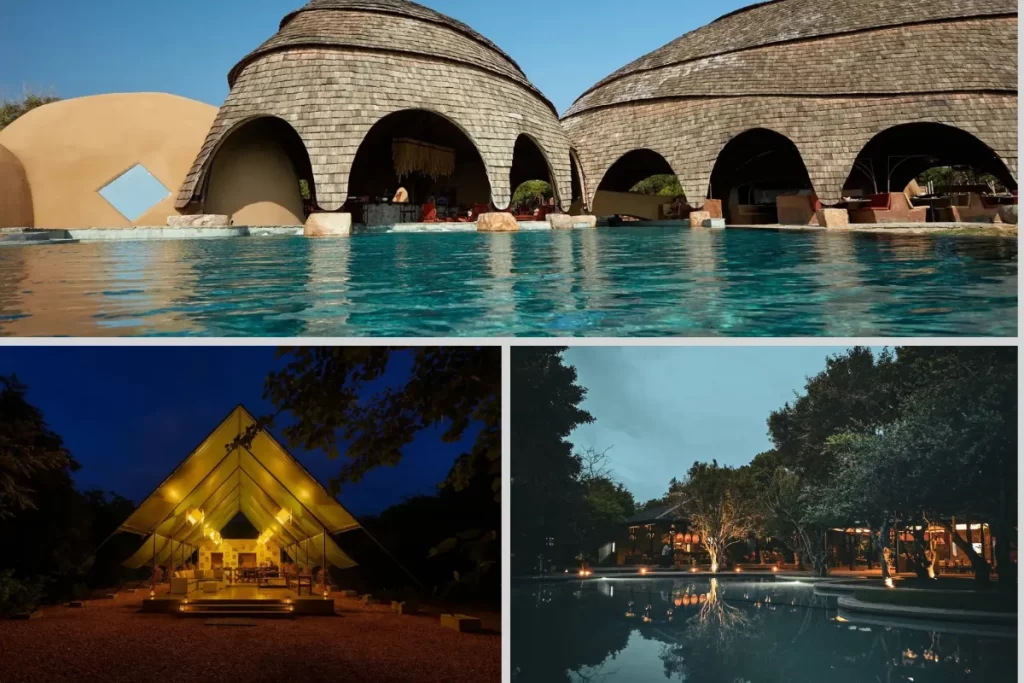
- Top pick: Jetwing Yala, spacious and eco-focused, close to the park.
- Best luxury: Wild Coast Tented Lodge, a high-end tented safari experience right on the coast.
- Best value: Makini Bush Camp, a simpler, nature-focused stay without the resort price tag.
- Best for families: Cinnamon Wild Yala, close to the park with a genuinely wild setting.
- Closest to the gate: Back of Beyond Yala, useful if saving minutes off your pre-dawn drive matters to you.
Further budget and mid-range options worth knowing: Oak Ray Wild Yala and Traveller’s Home Hotel for simple, practical stays, and Kithala Resort for a comfortable, quiet mid-range base.
Food and Dining Near Yala

Most travelers eat at their hotel, since safari schedules start early and evenings tend to be quiet. In Tissamaharama, Refresh Restaurant is a popular local spot, and New Cabana offers simple meals with quick service. Expect filling Sri Lankan dishes and early dinners rather than a late-night scene.
What to Wear and What to Bring

What you pack affects both your comfort and your safari itself, since bright colors can spook wildlife.
Dress Code
- Earth tones: khaki, brown, and green work best
- Avoid bright colors, especially red and white
- A light jacket for cold morning starts
- Closed shoes
- A scarf or buff for the dust kicked up by the jeep
Recommended Gear
- A 200 to 400mm+ telephoto lens if you’re serious about photos
- Extra camera batteries
- Binoculars, 8×42 or 10×42
- Sunscreen and insect repellent
- Cash in LKR for tips and small purchases
- Plenty of drinking water
Park Rules and Safety

- Keep at least 20 meters from any animal
- Stay inside the vehicle at all times, except at marked rest areas like Patanangala Beach
- Never feed, shout at, or chase wildlife
- Keep food in airtight containers inside the jeep
- If something goes wrong near an animal, stay inside the vehicle with the engine off, stay calm, and follow your driver or tracker’s instructions exactly
How Many Days to Spend in Yala
- 1 night: One safari, limited flexibility if the weather or sightings don’t cooperate
- 2 nights: The best balance for most travelers, with two safaris and some margin for a quiet first drive
- 3 nights: Worth it only if you’re a committed wildlife traveler chasing specific sightings
Two nights works best for most people. It gives you a morning and an afternoon safari without turning the trip into a safari-only itinerary.
Yala vs Other Safari Parks
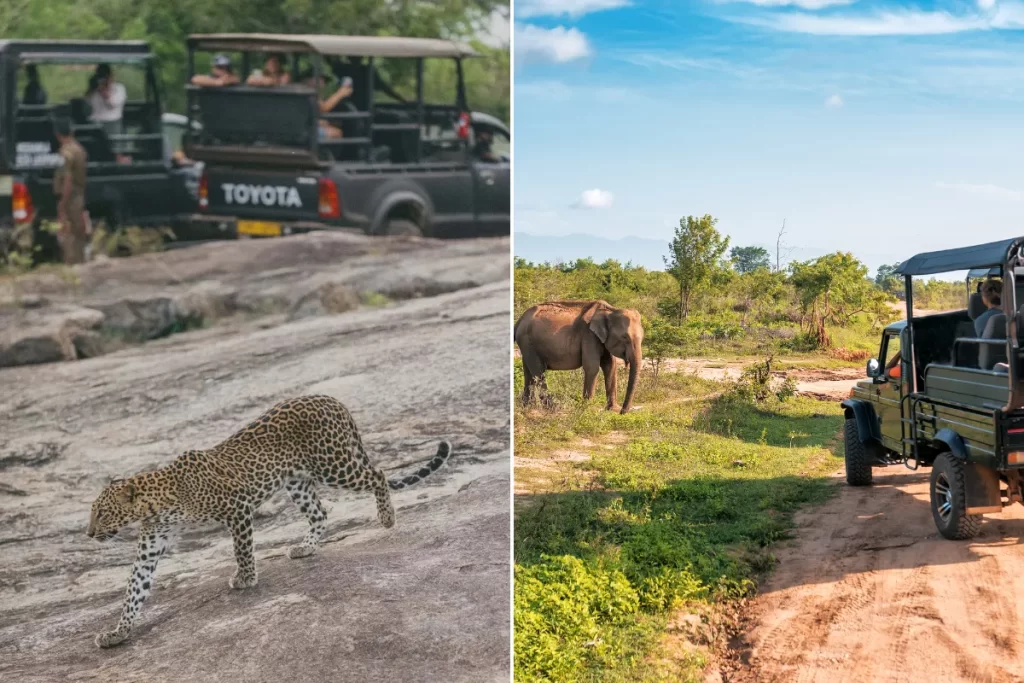
- Yala vs Udawalawe: Yala for leopards, Udawalawe for a near-certain elephant encounter and generally fewer jeeps.
- Yala vs Wilpattu: Yala is busier and more famous; Wilpattu offers similar wildlife with noticeably fewer crowds.
Choose based on what you most want to see and how much crowding you’re willing to put up with to see it.
Crowds, Ethics & Common Mistakes

- Chasing sightings aggressively, or booking an operator who does
- Choosing the cheapest guide without checking how they handle crowds around a sighting
- Expecting guaranteed leopard sightings on a single short drive
- Ignoring the heat and dust, especially on a full-day safari
- Defaulting to Palatupana Gate out of habit, when Katagamuwa or Galge might suit your trip better
A calm, well-chosen safari is almost always a better one than a rushed, crowded one.
Is Yala National Park Worth Visiting?

Yes, if you go in with the right expectations. Yala is about chance, patience, and the moments that happen when you’re not expecting them. When it works, it’s unforgettable. When the leopard doesn’t show, the dry forest, the lagoons, and the sheer scale of the place still make the early start worth it.
Frequently Asked Questions About Yala National Park
Is Yala National Park worth visiting?
Yes. Yala offers a real safari experience with strong chances of seeing wildlife, especially leopards, though sightings are never guaranteed.
What animals can I see in Yala National Park?
Leopards, elephants, sloth bears, wild water buffalo, crocodiles, spotted deer, wild boar, toque macaques, jackals, mongoose, and over 215 bird species.
What is the best time to visit Yala National Park?
February to July, when water sources dry up and animals gather in the open. April to July gives the strongest odds of a leopard sighting.
How much does a Yala safari cost?
A half-day jeep runs roughly $60 to $80 per vehicle, plus a park entry fee of about $35 to $45 per adult. All-inclusive private tour packages often cost more, commonly $100 to $220 or more per person.
What is the best safari time in Yala?
Morning safaris, starting around 5:30 am for the 6 am opening, usually offer the best chances for leopards. Afternoon safaris, roughly 2 to 6 pm, are also strong, especially for elephants near water.
Is a full-day safari better than a half-day safari?
Not necessarily. Half-day safaris work for most travelers and are far less tiring. Full-day safaris suit serious wildlife travelers who want to cover more blocks in one visit.
How likely am I to see a leopard in Yala?
Yala has one of the highest leopard densities in the world, but sightings depend on timing, the season, and your guide’s experience. They are never guaranteed.
Is Yala National Park crowded?
Yes, especially in Block 1 through the Palatupana Gate during peak season. Entering through the quieter Katagamuwa or Galge gates, or booking an afternoon drive, reduces the crowding significantly.
Which area is best to stay near Yala?
Tissamaharama and the Palatupana coast are the most popular bases, with quick access to the park and the widest range of hotels.
Do I need to book a safari in advance?
Yes, especially during peak months from December to April. Good guides and private jeeps get booked up early.
Is Yala safe for tourists?
Yes, as long as you follow park rules and your guide’s instructions. Stay inside the vehicle at all times and never feed or approach wildlife.
Can I visit Yala without staying overnight?
You can, but it’s not ideal. Staying nearby allows for an early morning safari, which offers the best chances of seeing wildlife.
Is Yala suitable for families?
Yes, with the right lodge and safari length. Morning safaris work better for children, since midday heat can be tiring on a longer drive.
Is Yala better than Udawalawe?
They offer different experiences. Yala is the better choice for leopards, while Udawalawe gives a near-certain elephant sighting with fewer crowds. Your choice depends on what you most want to see.



3 Comments