One of the first things you’ll want after landing in Sri Lanka is a reliable way to get online. From booking a tuk-tuk to sharing beach photos, having mobile data makes life much easier. The good news? Getting a SIM card here is simple and affordable.
Where to Buy a SIM Card
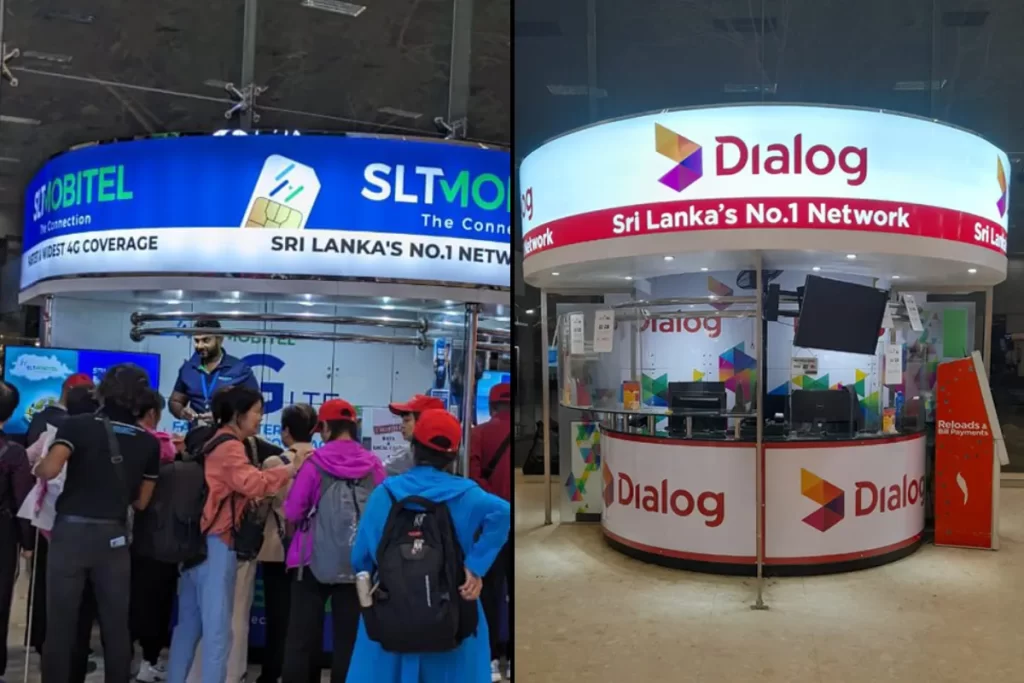
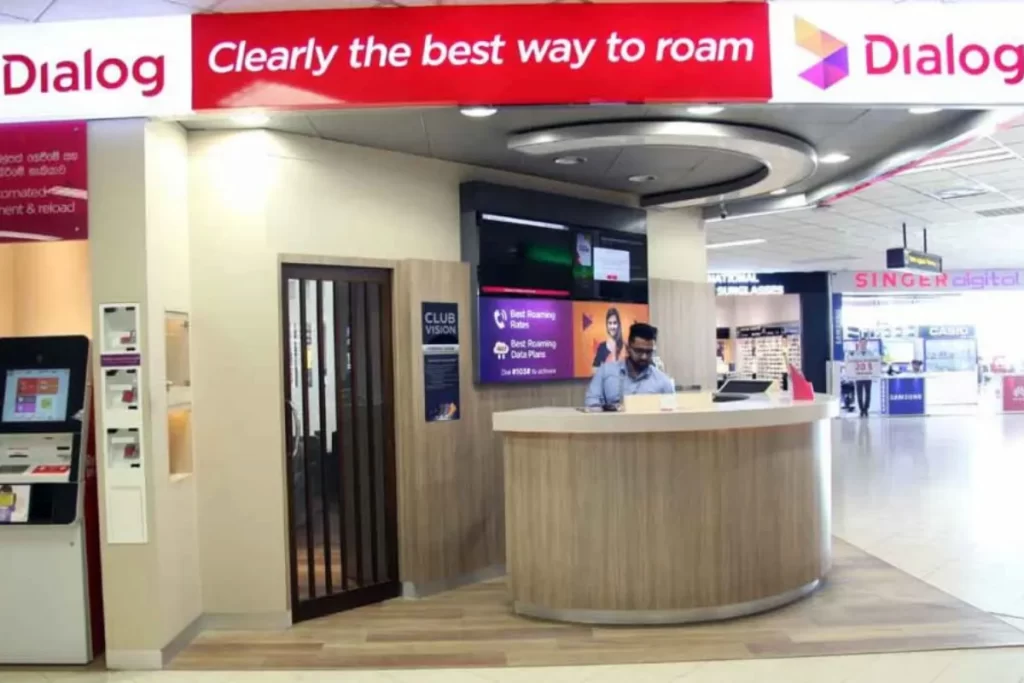
The easiest option is at Bandaranaike International Airport (CMB). As you exit arrivals, you’ll see kiosks for Dialog, Mobitel, Hutch, and Airtel, all open 24/7. Staff will set up your SIM on the spot.
If you’d rather save a few rupees, you can also buy SIM cards in the city at:
- Provider stores (Dialog, Mobitel, etc.)
- Supermarkets like Keells or Cargills
- Authorized mobile shops
👉 Don’t forget your passport. Registration is required by law.
Which Provider Should You Choose?

Here’s a quick guide based on what kind of trip you’re planning:
- Dialog – Best overall for speed and reliability. Great 4G, growing 5G network. Perfect if you’ll be working online or streaming.
- Mobitel – Strongest rural coverage. If you’re heading to remote villages, tea country, or national parks, this is your best choice.
- Hutch – Budget-friendly with cheap data packs. Good for cities, weaker outside major towns.
- Airtel – Low-cost plans with big data bundles. Works fine in Colombo and other urban hubs.
Around 98% of the population is within signal range.
Traveler Tips for Smooth Setup
- Make sure your phone is unlocked before leaving home.
- Buy at the airport if you want instant connectivity (slightly pricier but worth it).
- Carry some cash (LKR) as smaller shops may not accept card payments.
- Keep your SIM packaging, it shows your number, which you’ll need for top-ups.
Final Thoughts
Buying a SIM card in Sri Lanka is quick, cheap, and makes travel far more enjoyable. Whether you’re sharing sunset photos from Mirissa, checking train schedules in Ella, or navigating Colombo’s busy streets, you’ll be glad to have local data at your fingertips.
Choose Dialog if you want the fastest speeds, Mobitel if you’ll be off the beaten path, and Hutch or Airtel if you’re watching your budget. Either way, you’ll stay connected throughout your journey.
FAQs About SIM Cards and Mobile Coverage in Sri Lanka
Is free Wi-Fi common in Sri Lanka?
Not really. Some hotels, cafés, and coworking spaces offer free Wi-Fi, but speeds can be inconsistent. For reliable internet, a local SIM card is the better choice.
Can I recharge (top up) my SIM card online?
Yes. Most providers like Dialog, Mobitel, Hutch, and Airtel have apps where you can recharge with a card or mobile wallet. You can also buy top-up cards at supermarkets, convenience stores, and even roadside stalls.
Do SIM cards work everywhere in Sri Lanka?
Coverage is strong in cities, towns, and along main roads. In rural areas, Dialog and Mobitel perform best. Some remote mountain or forest areas may have weak or no signal.
Is mobile data fast enough for video calls?
Yes. 4G speeds with Dialog and Mobitel are good enough for Zoom or WhatsApp calls. Hutch and Airtel may be slower outside big towns, but fine for browsing and messaging.
Can tourists buy an eSIM instead of a physical SIM?
Yes. Dialog and Mobitel offer eSIMs that can be set up online or at provider shops. Just make sure your phone supports eSIM before choosing this option.
How much data do I need for a two-week trip?
If you mainly use maps, social media, and messaging, 10–20 GB is more than enough. Heavy streamers may prefer a 30 GB or unlimited plan.
Do I need my passport to buy a SIM card?
Yes. By law, all SIM cards must be registered. Keep your passport handy when buying at the airport or a city shop.