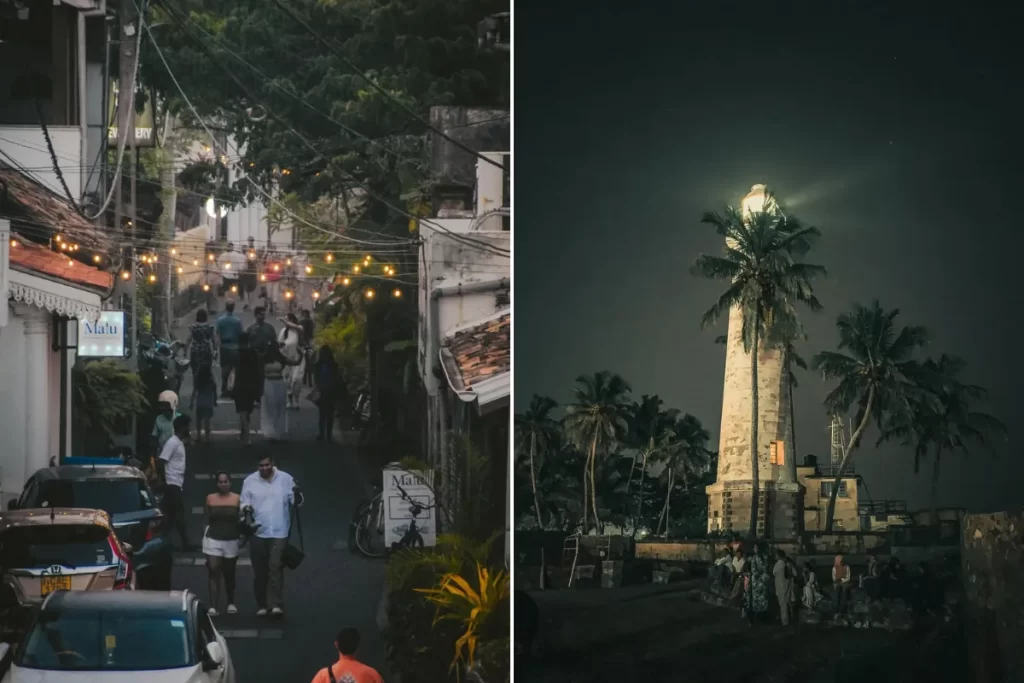
Galle Fort feels different the moment you step inside. Thick stone walls meet the ocean. Narrow streets carry echoes of old trade routes. Cafés open onto quiet lanes, and the sea breeze cools the heat. It’s compact, coastal, and calm. You don’t rush Galle Fort. You walk it.

This guide helps you plan a smooth visit. You’ll know when to go, how to walk the fort without backtracking, what’s worth your time, and how to enjoy it without stress. Simple steps. Easy pace.

Why Visit Galle Fort?

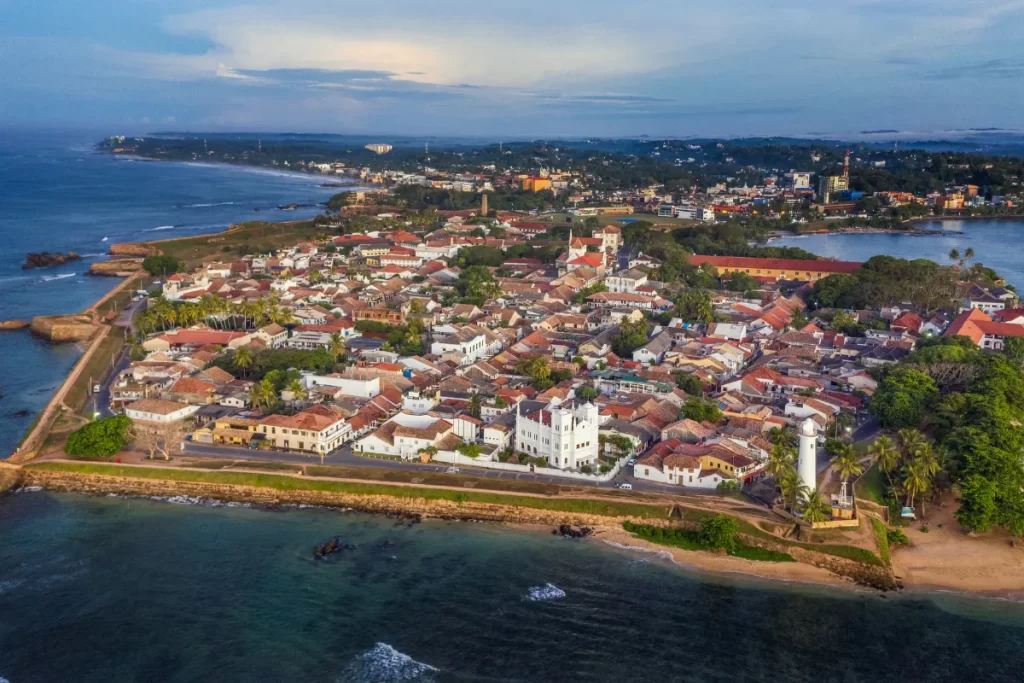
Galle Fort Aerial View

Galle Fort is a UNESCO World Heritage Site shaped by Portuguese, Dutch, and British rule. Unlike Sri Lanka’s ancient cities, this place is small and walkable. History sits right next to daily life.

You’ll enjoy Galle Fort if you want:

  • Culture without long travel times
  • A relaxed walk with ocean views
  • Cafés, shops, and history in one place
  • A gentle break between beach stays

It works well for first-time visitors, couples, families, and anyone who enjoys slow exploration.

Where Is Galle Fort & How to Get There

Sri lanka map

Galle Fort sits on Sri Lanka’s south coast, inside the city of Galle. It’s easy to reach and simple to navigate once you arrive.

Getting There

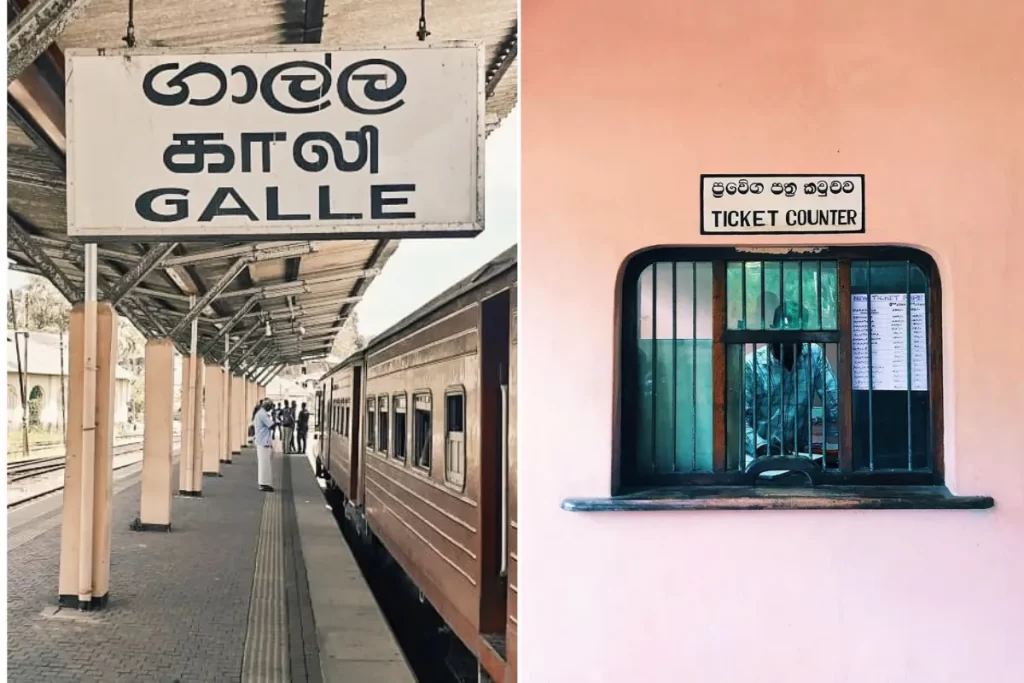
Galle Railway Station and ticket counter
(Credit-isuri_96 and Christina Pérez)
  • From Colombo: The train is a favorite. It’s scenic and relaxed. Cars and buses are also common.
  • From Bentota or beach towns: Short coastal drives make this an easy stop.

You enter the fort through main gates near the Clock Tower. From there, everything is on foot.

Best Time to Visit Galle Fort

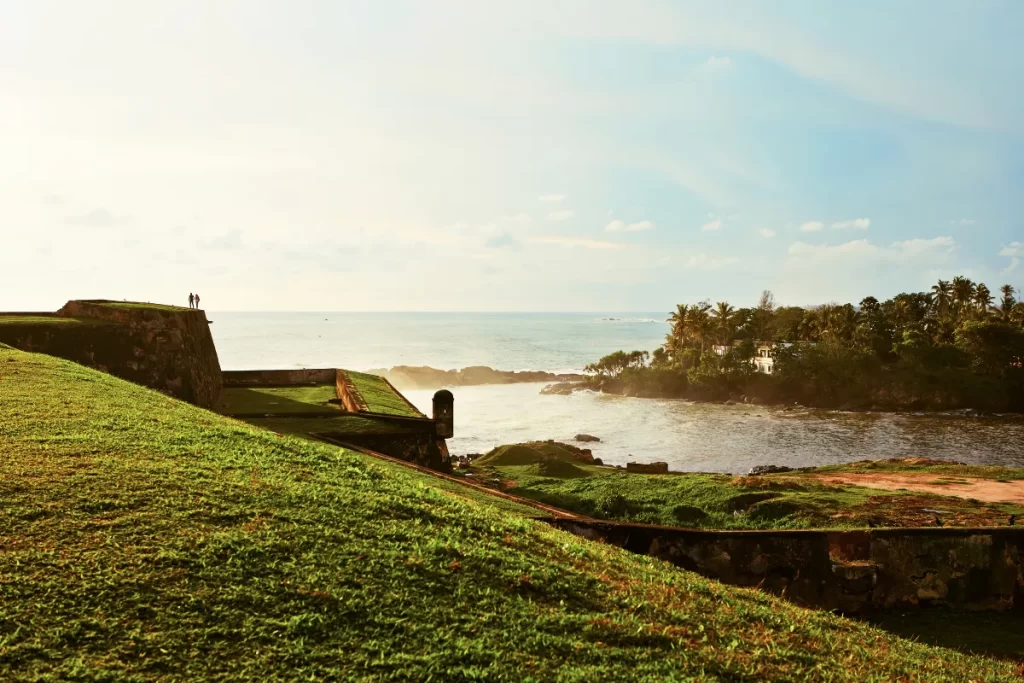
Galle Fort Snaps

Best Months

December to April offers drier weather and clear skies. This is the most popular period.

Crowd Reality

Late December and January are busy. Streets feel lively, not overwhelming, but mornings are calmer.

Best Time of Day

  • Morning (8–11 am): Cooler air and fewer people
  • Late afternoon (3–6 pm): Warm light and sunset views

Midday heat is manageable, but shade breaks help.

Understanding Galle Fort Before You Walk

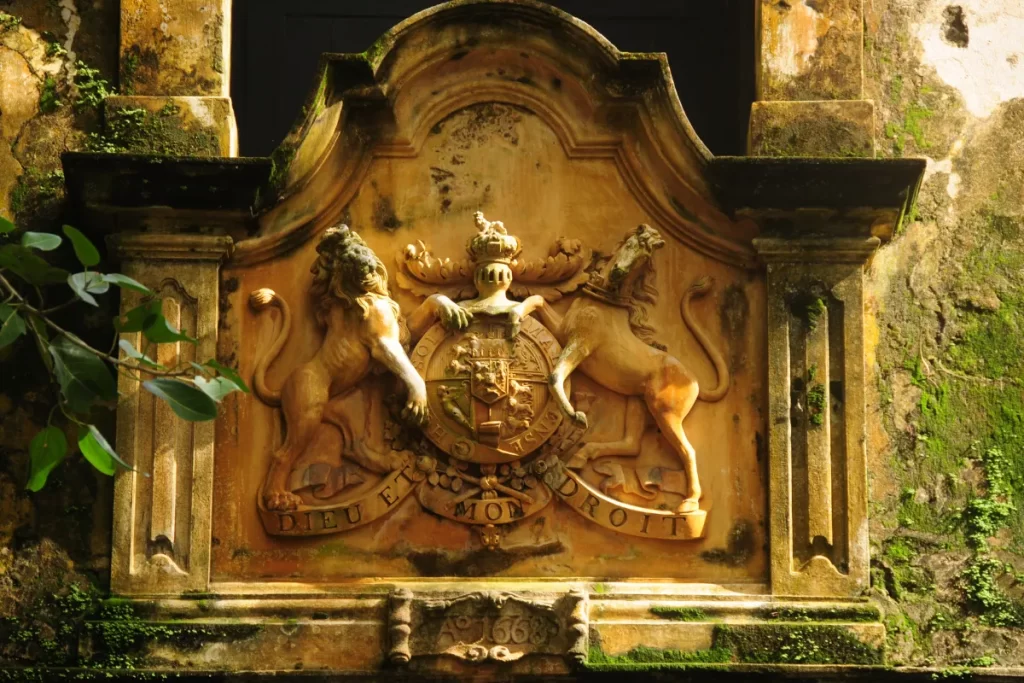
British 17th Royal Seal
British 17th Royal Seal In Galle Fort

A Short History

Galle Fort began under Portuguese rule, expanded by the Dutch, and later adapted by the British. Each layer is visible in churches, homes, and street names.

Size & Layout

The fort is compact. You can cover the main areas in two to three hours without rushing. That’s why walking works so well here.

Best Way to Explore Galle Fort

(Credit-ltulipa)

Self-Guided Walking (Most Visitors)

Self-guided walking is ideal. Streets are safe, signs are clear, and distances are short. You control the pace and stop when something catches your eye.

Guided Walking Tours

Guided tours add historical detail and context. They usually last about two hours and work well if you enjoy stories and timelines. Both options work. Choose based on how much detail you want.

Suggested Walking Route (Easy Flow)

Ramparts Walk

Canon and Ramparts in Gallefort
(Credit-rv.heritage.revitalisasi)

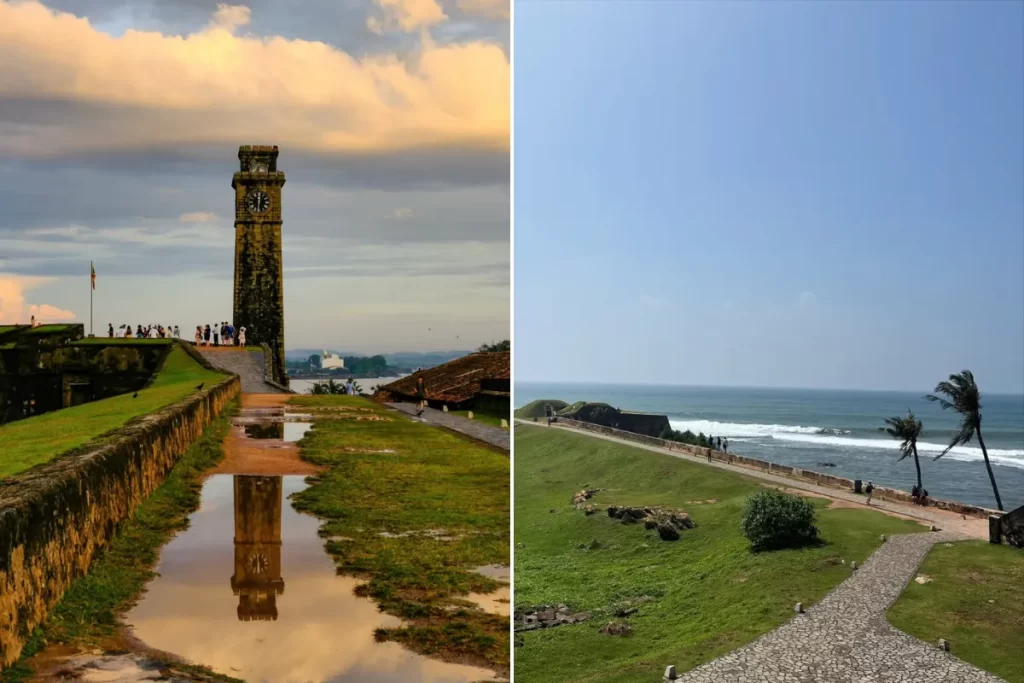
Start near the Clock Tower and follow the outer walls.

  • Walk toward Flag Rock for ocean views
  • Continue along the ramparts to the Lighthouse Bastion
  • Pause often. The views change with the light

This stretch is best in the late afternoon.

Inside the Fort Streets

Galle Fort Streets
(Credit-ltulipa)

After the ramparts, move inward.

  • Explore colonial houses and quiet lanes
  • Step into cafés for water or shade
  • Wander without a strict plan

This mix of structure and freedom keeps the walk enjoyable.

What to See Inside the Fort

The Ramparts

Galle Fort Ramparts
(Credit-highburytales)

Walk along the walls for sweeping views of the ocean. Start at the Moon Bastion and Clock Tower, follow the path to the Lighthouse at Utrecht Bastion, and end at Flag Rock for sunset.

The Lighthouse

Galle Fort Light House

Sri Lanka’s oldest lighthouse still standing (rebuilt in 1939). Its white tower against the blue sea is one of the most photographed spots in Galle.

Dutch Reformed Church

Dutch Reformed Church (Groote Kerk)

Known locally as the Groote Kerk, it dates back to 1755. Step inside to see simple wooden pews and gravestones set into the floor.

Old Dutch Hospital

Old Dutch Hospital Galle
(Credit-dilonfdo)

Once a colonial hospital, today it’s a lively shopping and dining area with cafés, restaurants, and craft stores.

Museums

Maritime Museum of Galle
Maritime Museum
  • National Museum of Galle – Housed in an old commissariat store.
  • Maritime Museum – Showcases shipwreck finds and artifacts.

Where to Stay in Galle Fort

Staying in Galle Fort feels different from staying anywhere else on the south coast. Inside the walls, streets are quiet at night, buildings carry history, and mornings feel calm before day visitors arrive. The choice usually comes down to atmosphere versus price.

Staying Inside Galle Fort (Best for Experience)

Hotel Amangalla
Hotel Amangalla

Accommodation inside the fort is mostly made up of boutique hotels and heritage houses. These stays focus on character, location, and comfort rather than large facilities.

Well-known options include Amangalla, which offers a refined colonial experience right in the heart of the fort, and The Fort Bazaar, known for stylish rooms and a relaxed courtyard setting.

For travelers who want charm without luxury pricing, Tamarind Hill Galle (just outside the fort) and smaller heritage guesthouses inside the walls are popular choices.

The Fort Bazaar
The Fort Bazaar

Why stay inside the fort?

  • Easy walking access to all sights
  • Peaceful evenings after day crowds leave
  • Unique historic atmosphere

The trade-off is cost. Rooms inside the fort are usually more expensive.

Staying Outside Galle Fort (Best for Value)

Jetwing Lighthouse
Jetwing Lighthouse

Outside the fort, you’ll find hotels, guesthouses, and beach stays at lower prices. These work well if you don’t mind a short tuk-tuk ride.

Areas around Galle town and nearby beaches offer good options. Places like Jetwing Lighthouse provide coastal views and resort comfort, while smaller guesthouses in Galle town offer budget-friendly stays.

This option suits travelers who plan to visit the fort during the day but sleep elsewhere.

Food & Restaurant Scene in Galle Fort

Galle Fort has one of the best food scenes on the south coast. Restaurants range from local Sri Lankan kitchens to elegant dining rooms in restored colonial buildings. Eating here is part of the experience.

Local & Sri Lankan Food

A Minute by Tuk Tuk
A Minute by Tuk Tuk

For traditional Sri Lankan flavors inside the fort, A Minute by Tuk Tuk is a favorite. It serves classic rice and curry with generous portions and relaxed service. Outside the fort, small local eateries offer authentic meals at lower prices, but inside the walls, quality and setting matter more than speed.

Cafés & Casual Dining

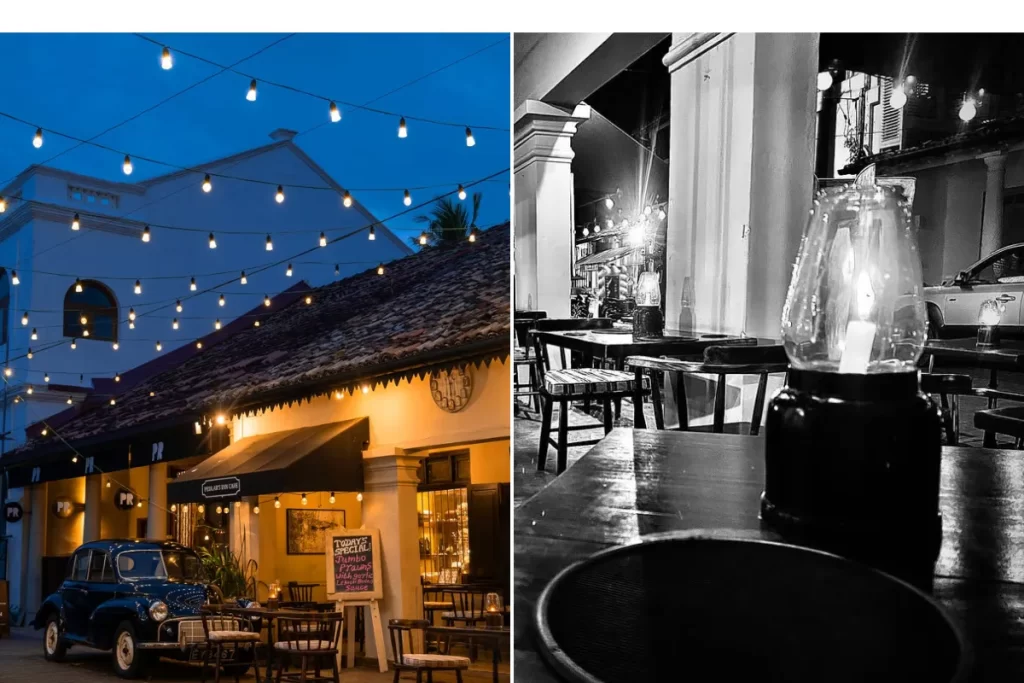
Pedlar's Inn Cafe and Restaurant
Pedlar's Inn Cafe and Restaurant (Credit-hlakhwani and marinashaikhofficial)

Galle Fort has a strong café culture. Coffee Brunch is popular for brunch, fresh juices, and light meals. It’s a good stop during a walking break. Another common stop is Pedlar’s Inn Café, known for simple food and a quiet upstairs seating area.

Fine Dining & Special Evenings

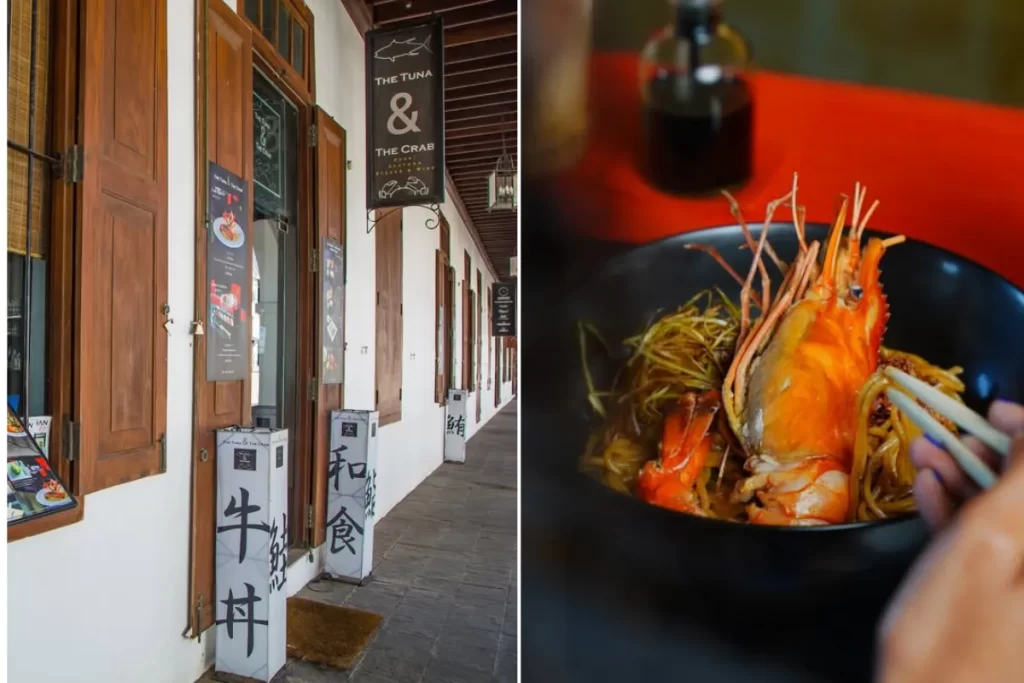
The Tuna & The Crab
The Tuna & The Crab

For a more refined dinner, The Tuna & The Crab is one of the most talked-about restaurants in the fort. Seafood is the highlight, and reservations are recommended. Many boutique hotels inside the fort also run their own restaurants, which are ideal for slow dinners in a calm setting.

When to Eat & Practical Tips

Galle Fort shops and cafes
(Credit-frenchie_kiwi64)

Evenings get busy, especially during peak season. Restaurants inside the fort often fill up after sunset.

Tips:

  • Eat early if you don’t want to wait
  • Make casual reservations in the afternoon
  • Lunch is quieter than dinner
  • Walk around before choosing; menus are displayed outside

Staying and eating in Galle Fort is about slowing down. Whether you choose a heritage hotel inside the walls or a comfortable stay outside, the fort rewards travelers who take their time and enjoy the setting.

How Much Time Do You Need at Galle Fort?

Galle Fort shops and cafes
(Credit-_miracle_focus and gallefortceylon)
  • 2–3 hours: Comfortable walk and key sights
  • Half day: Walk, café breaks, museums
  • Overnight: Best for slow evenings and early mornings

Many travelers visit for half a day. Staying overnight adds depth.

Shopping Inside Galle Fort

Shopping Inside Galle Fort
Shopping Inside Galle Fort (Credit-philnomado)

Small boutiques line the streets. You’ll see:

  • Handcrafted items
  • Clothing and home décor
  • Local art and souvenirs

Browse slowly. Prices are higher than outside the fort, but quality is usually better.

Galle Fort vs Nearby Beach Stops

Unawatuna, Hikkaduwa and Bentota

Galle Fort pairs well with:

The fort adds culture between beach days.

Crowds, Etiquette & Common Mistakes

Galle fort streets
(Credit-dahamsara_dahanayake)
  • Mornings are quieter than afternoons
  • Respect that people live inside the fort
  • Don’t rush the walk
  • Avoid peak heat without breaks

The biggest mistake is treating Galle Fort as a checklist stop. Let it unfold.

Safety & Practical Tips

  • Wear comfortable walking shoes
  • Carry water and sun protection
  • Watch uneven stones on the ramparts
  • Evenings are safe, but stay aware

Simple habits keep the visit smooth.

Is Galle Fort Worth Visiting?

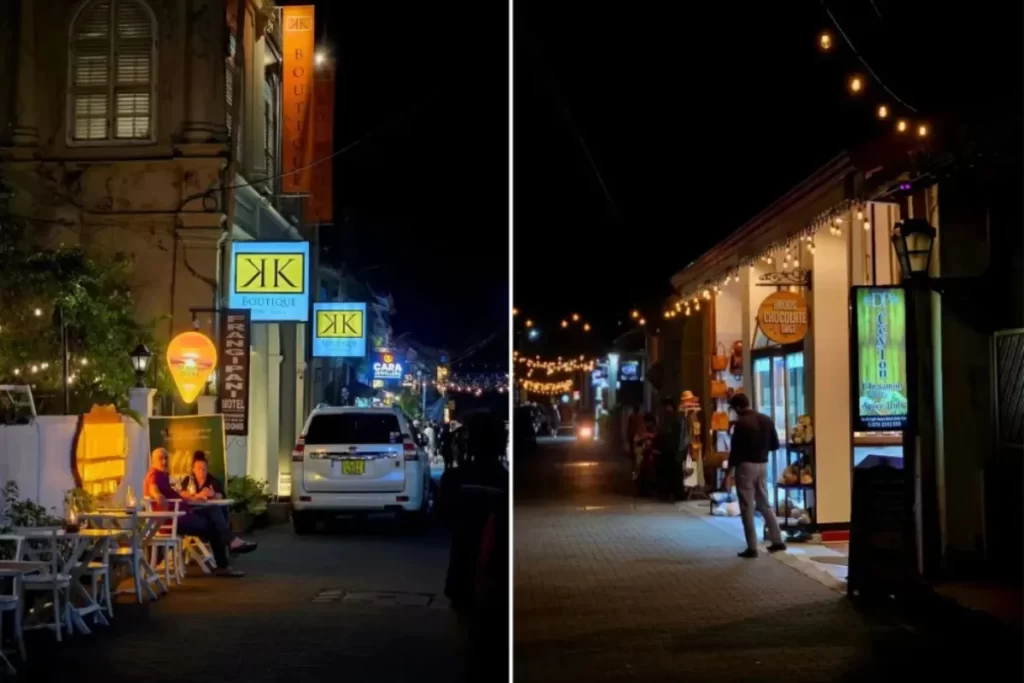
Galle Fort at Night

Yes. Galle Fort offers history without effort. You walk, pause, eat, and watch the sea. It’s easy to enjoy and hard to forget. If you like places that blend culture with comfort, Galle Fort belongs on your route.

Frequently Asked Questions About Galle Fort

Is Galle Fort worth visiting?

Yes. Galle Fort is worth visiting if you enjoy history, walking, and ocean views. It’s easy to explore, well preserved, and offers a relaxed cultural experience on Sri Lanka’s south coast.

Most visitors spend 2 to 3 hours walking around Galle Fort. This allows time for the ramparts, inner streets, and short breaks. A half-day visit feels comfortable.

Yes. Galle Fort is free to enter. You only pay entrance fees if you choose to visit specific museums or attractions inside the fort.

Morning and late afternoon are best. Mornings are cooler and quieter. Late afternoon is ideal for walking the ramparts and watching the sunset.

The best time to visit is from December to April. The weather is mostly dry and clear. January can be busy, but it’s still enjoyable with early starts.

No. Galle Fort is easy to explore on your own. Streets are safe and well marked. A guide is helpful if you want deeper historical context, but it’s not required.

Yes. Galle Fort is suitable for families with children. The area is walkable, safe, and has cafés for breaks. Keep children close near the ramparts.

Yes. Galle Fort and Unawatuna are close to each other. Many travelers visit the fort in the morning and relax at the beach in the afternoon.

Yes. Galle Fort has many cafés and restaurants offering both Sri Lankan and Western food. Popular times are late morning and evening, so arriving early helps.

Galle Fort can be busy during peak season and weekends. Crowds are lighter in the morning. The fort is compact, but it rarely feels overwhelming.

Yes. Galle Fort is generally safe during the day and evening. Wear comfortable shoes, watch uneven stones, and stay aware near the ramparts.

Both work well. Staying inside the fort offers atmosphere and quiet evenings. Staying outside is often cheaper and still close enough for easy visits.


administrator

Content creator with a strong interest in meaningful and engaging content, along with history, science, and geopolitics. I create clear, honest work that helps readers understand places more deeply and explore the world with confidence.

Leave a Reply

Your email address will not be published. Required fields are marked *