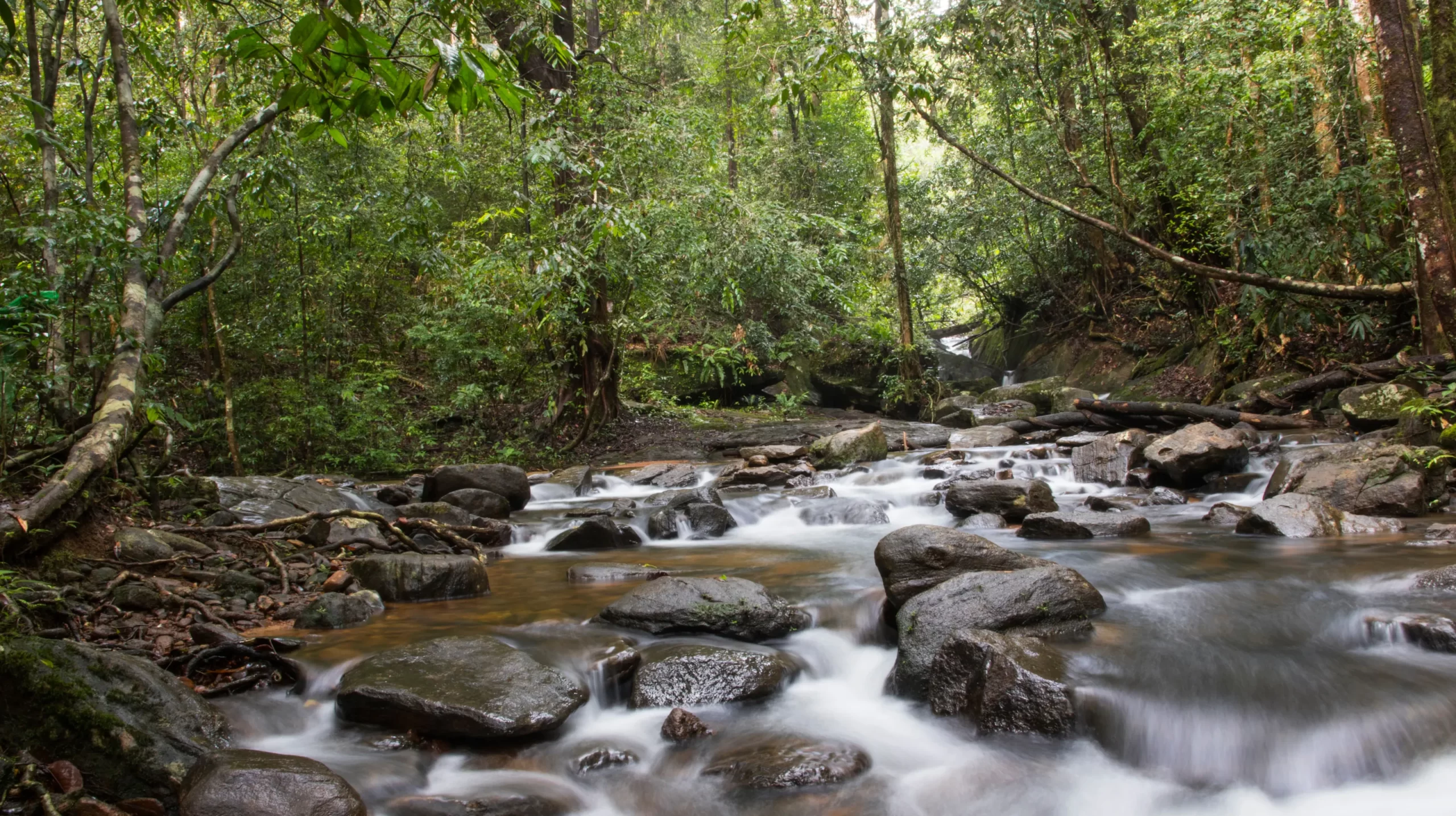
Sri Lanka is roughly the size of Ireland but it hides more waterfalls per square kilometre than almost anywhere else on earth. Tucked behind curtains of mist in the Hill Country, crashing through ancient rainforests, and spilling down cliffsides edged with tea plantations, these falls are the kind of thing that stops travellers mid-sentence.
Whether someone is backpacking through Ella on a tight budget or renting a private driver for a week in the highlands, chasing waterfalls in Sri Lanka is one of those experiences that earns its place on every itinerary. The challenge isn’t finding a waterfall it’s knowing which ones are worth the detour, when to go, and how to stay safe once there.
This guide covers the 7 best waterfalls in Sri Lanka: what makes each one special, exactly where to find them, and how to string them together on one unforgettable road trip from Kandy to Ella.
Quick Facts: Sri Lanka's 7 Best Waterfalls
| # | Waterfall | Height | Location | Best for |
|---|---|---|---|---|
| 1 | Bambarakanda Falls | 263 m | Badulla District | Photography, Pine forest hike |
| 2 | Diyaluma Falls | 220 m | Koslanda | Swimming, Trekking |
| 3 | Dunhinda Falls | 63 m | Badulla | Jungle walk, Photography |
| 4 | Baker’s Falls | 20 m | Horton Plains NP | Hiking Pair with World’s End |
| 5 | Ravana Falls | 25 m | Ella | Easy access Mythology |
| 6 | Devon Falls | 97 m | Talawakele / Hatton | Scenic views Tea country |
| 7 | St. Clair’s Falls | 80 m | Hatton | Panoramic Road trip stop |
Source: Sri Lanka Holiday Guides
The 7 Best Waterfalls in Sri Lanka
1. Bambarakanda Falls – Sri Lanka's Tallest Cascade

Height: 263 m • Location: Badulla District • Best For: Photography, Pine Forest Hike
At 263 metres, Bambarakanda is the tallest waterfall in Sri Lanka and it looks exactly like something conjured from a dream. The water doesn’t rush or crash; it floats down in a thin, elegant thread from a ridge of pine trees, disappearing into a valley that feels entirely removed from the rest of the world.
Getting there requires a drive through winding mountain roads toward Kalupahana in the Badulla District. The hike to the viewpoint takes about 30–45 minutes and is manageable for most fitness levels. Swimming at the base is unsafe due to strong currents and sharp rocks but a short detour to nearby Lanka Ella, a smaller cascade in the same area, offers a safe spot to cool off.
Pro tip: Visit in the morning before cloud cover rolls in. By midday, the upper section often disappears into mist.
2. Diyaluma Falls – Natural Infinity Pools

Height: 220 m • Location: Koslanda • Best For: Swimming, Trekking
Diyaluma is the waterfall that backpackers whisper about on hostel rooftops in Ella. At 220 metres, it’s Sri Lanka’s second-highest waterfall — but what makes it unmissable isn’t the drop. It’s what’s at the top.
Hiring a local guide in Koslanda (strongly recommended the trail is unmarked) and trekking about 90 minutes uphill leads to a series of natural rock pools at the summit. These pools form what looks like natural infinity pools hovering above the southern highlands. Sitting in those pools and looking out over an uninterrupted valley view is one of those rare travel moments where the effort is completely worth it.
The base of the falls also offers a solid viewpoint and shade a good stop even for those who prefer not to hike.
3. Dunhinda Falls – The Misty Beauty

Height: 63 m • Location: Badulla • Best For: Jungle Walk, Photography
Dunhinda doesn’t care about being the tallest or the most dramatically photogenic. It earns its place on this list through atmosphere alone. The name itself “Dunhinda” translates loosely to ‘smoky water,’ a nod to the perpetual mist that hangs at its base like a slow exhale.
A well-maintained jungle walk of about 1.5 km from the carpark leads to the falls, passing through thick forest and crossing small bridges. The spray is heavy enough to feel from 20 metres away cameras should be kept protected until the last moment.
Best visited in the late morning when sunlight hits the mist and occasionally produces a rainbow at the base.
4. Baker's Falls – Hidden in Horton Plains

Height: 20 m • Location: Horton Plains National Park • Best For: Hiking with World’s End
Baker’s Falls sits inside Horton Plains National Park, which means reaching it requires paying the park entrance fee currently around USD 15–25 per person for foreign visitors. Most travellers pair it with the famous World’s End viewpoint, a cliff that drops nearly 870 metres into the lowlands below.
The falls themselves are modest at 20 metres, named after British explorer Sir Samuel Baker. But the setting surrounded by montane cloud forest, with mist rolling through ancient trees and sambar deer grazing nearby gives it a quiet, almost surreal quality that photographs struggle to fully capture.
Swimming is not permitted here, and for good reason: the rocks are slippery and the water runs cold. This is a stop for those wanting to experience Sri Lanka’s highland wilderness at its most undisturbed.
5. Ravana Falls – The Ella Icon

Height: 25 m • Location: Ella • Best For: Easy Access, Ramayana Mythology
Ravana Falls is arguably the most-visited waterfall in Sri Lanka and it earns that status by being genuinely accessible. Located just off the main road between Wellawaya and Ella, the falls are visible from the road and only a two-minute walk from the car. No guide required. No hike necessary.
According to the Ramayana, the demon king Ravana used caves behind these falls to hide Sita making this one of the most mythologically significant sites in Sri Lanka for Hindu visitors and history enthusiasts alike.
During the dry season (December to March), shallow pools at the base are calm enough for a quick swim. In the wet season, the falls become far more powerful and dramatic excellent for photography, less so for swimming.
Note: Vendors operate near the entrance. Travellers should keep valuables secure.
6. Devon Falls – The 'Veil of the Valley'

Height: 97 m • Location: Talawakele, near Hatton • Best For: Tea Country Views
Devon Falls earns its nickname the ‘Veil of the Valley’ — through sheer elegance. The water splits as it falls 97 metres over a wide, dark rockface, creating a layered curtain effect against a backdrop of manicured tea estates. It’s the kind of view that luxury travellers pull over for and backpackers photograph obsessively.
The falls are clearly visible from the main Hatton-Nuwara Eliya road (A7), with a small viewing area available. No significant hike is required, which makes it an easy stop on the tea country road trip route. Entry is free.
Best experienced in the afternoon when sunlight catches the spray. Pair it with St. Clair’s Falls, just a few kilometres down the road, for a double hit of tea country waterfall scenery.
7. St. Clair's Falls – The 'Little Niagara'

Height: 80 m • Location: Hatton • Best For: Wide Panoramic Views
St. Clair’s Falls carries the nickname the ‘Little Niagara of Sri Lanka’ and it’s not false advertising. At 80 metres wide with a broad, cascading face, it creates a sense of breadth and scale unlike any other waterfall on this list.
Like Devon Falls, St. Clair’s is visible from the highway and doesn’t require a significant hike. It works perfectly as an afternoon partner stop with Devon Falls on the Kandy-to-Ella road trip route.
Entry is free. Some travellers hire a tuk-tuk from Hatton town for the short ride to the viewpoint it’s a relaxed and affordable way to take it all in.
The Ultimate Waterfall Road Trip: Kandy to Ella
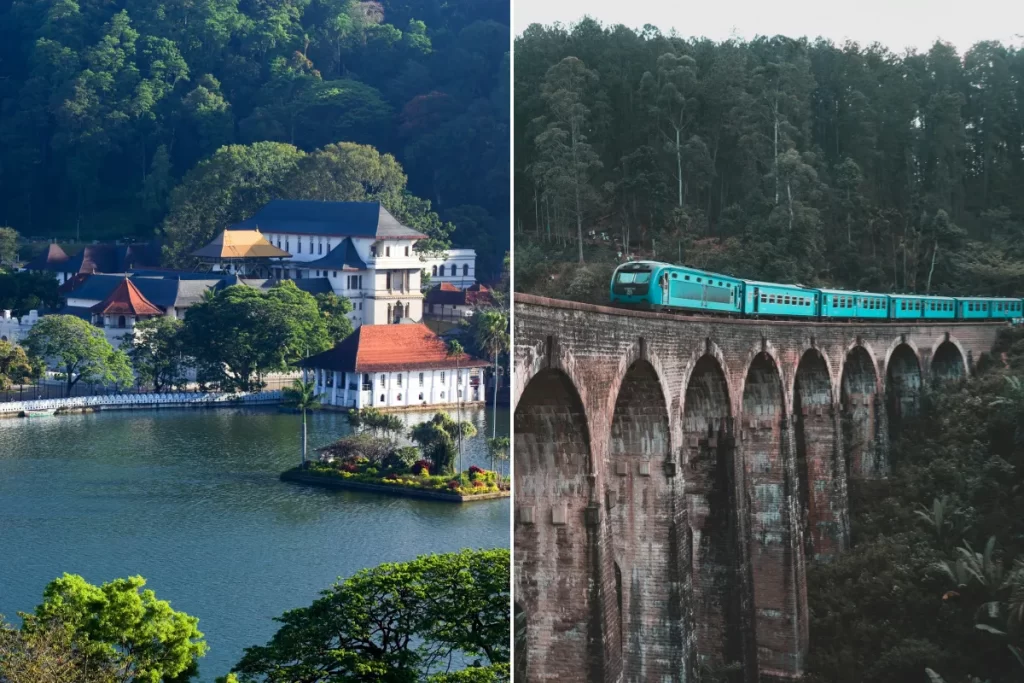
Stringing all 7 waterfalls into one road trip is entirely possible over 3–4 days. Here’s a practical route that combines efficiency with the best scenery Sri Lanka’s Hill Country has to offer.
Day 1 — Kandy to Tea Country
Start in Kandy and head south on the A5. Stop at Ramboda Falls en route it’s a quick pull-over worth the 10 minutes. Arrive at Hatton in the afternoon and visit Devon Falls and St.Clair’s Falls. Stay overnight in Hatton or Nuwara Eliya.
Day 2 — Horton Plains to Badulla
Enter Horton Plains National Park early (the park opens at 6am and clouds roll in by midday). Complete the World’s End and Baker’s Falls loop allow 3–4 hours. Drive to Badulla and visit Dunhinda Falls in the late afternoon. Stay overnight in Badulla or Bandarawela.
Day 3 — Bambarakanda to Diyaluma
Morning drive to Kalupahana. Hike to Bambarakanda Falls viewpoint. Afternoon: head to Koslanda for Diyaluma Falls either the viewpoint at the base or the full guided hike to the upper pools. Stay overnight in Koslanda or Wellawaya.
Day 4 — Ella
Ravana Falls is literally on the road into Ella impossible to miss. Visit in the morning, then spend the afternoon exploring Ella: Nine Arch Bridge, Little Adam’s Peak, and the town’s famously relaxed cafe culture. For a full Ella itinerary, see the Sri Lanka Holiday Guides Ella Travel Guide.
Practical note: The roads through Sri Lanka’s Hill Country are narrow, winding, and slow. 60 km can easily take two hours. A private driver or rented car is the most comfortable option. The Kandy to Ella train is one of the world’s most scenic rail journeys and can serve as a base route, with tuk-tuk day trips to the waterfalls.
Swimming Safety and Practical Tips
Sri Lanka’s waterfalls are beautiful but they’re not managed swimming pools. There are no lifeguards, no safety barriers, and the rocks are almost always slippery. Here’s what every traveller needs to know before getting in the water.
Safe Swimming Spots

- Diyaluma upper pools – with a local guide
- Ravana Falls base pools – dry season (Dec–March) only
- Lanka Ella – near Bambarakanda, a safe and calm pool
No-Swim Zones
- Baker’s Falls prohibited, slippery rocks, cold water
- Bambarakanda base strong currents and sharp rocks
- Any waterfall during or immediately after heavy rain
General Safety Tips

- Wear non-slip shoes or sandals with grip. Flip-flops are genuinely dangerous on wet rocks.
- Never swim alone. Currents that look calm on the surface can be deceptively strong.
- During monsoon season (May–September southwest; Oct–November northeast),swimming becomes high-risk even at usually safe spots.
- Hire a local guide for Diyaluma. The trail is unmarked and steep people have gottenlost.
- Entry fees apply at Horton Plains National Park. Carry cash card machines aren’talways reliable.
Best time to visit: The dry season (December–March) is optimal for hiking and swimming. For dramatic, full-volume photography, the monsoon season (May–September) produces the most impressive falls but swimming should be avoided entirely.
Ready to Chase Them?
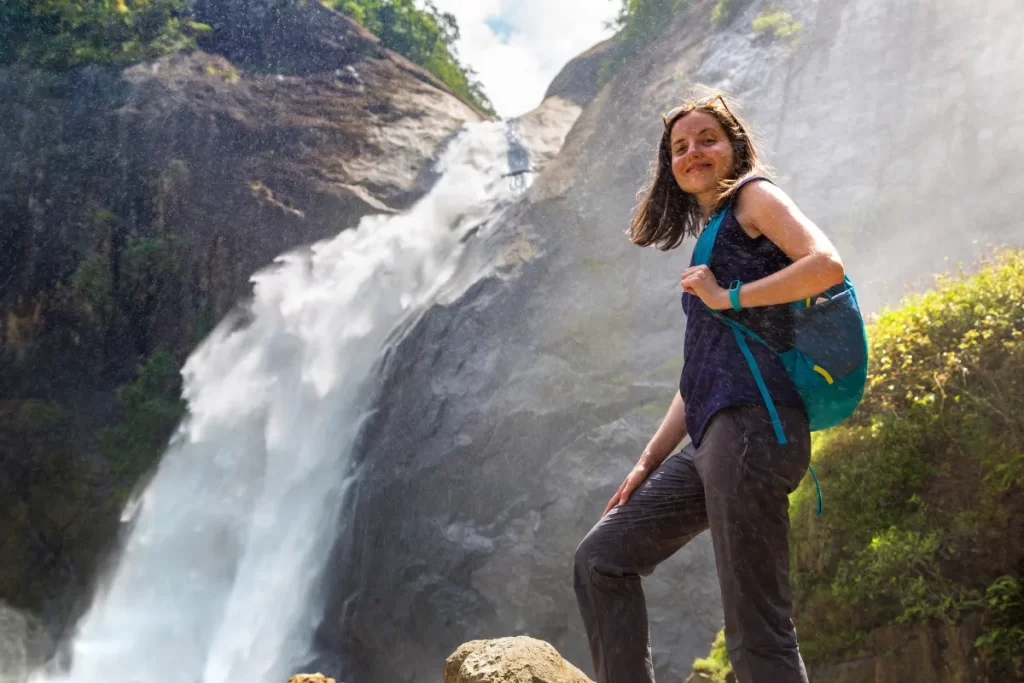
Sri Lanka doesn’t make travellers choose between adventure and beauty it offers both, often at the same time. From the towering elegance of Bambarakanda to the mythological weight of Ravana Falls, each waterfall on this list tells its own story about this island and the highlands that shaped it.
Pack grip shoes, download an offline map, budget more drive time than expected on those mountain roads, and prepare to be genuinely surprised at how much natural spectacle fits into a country this size.
The waterfalls of Sri Lanka aren’t just a tick on a bucket list. They’re the kind of thing that makes travellers understand why people keep coming back.
Frequently Asked Questions
What is the tallest waterfall in Sri Lanka?
Bambarakanda Falls, at 263 metres, holds the title. It’s located in the Badulla District near Kalupahana in the central Hill Country.
Which waterfalls in Sri Lanka are best for swimming?
The top swimming spots are the Diyaluma upper pools (go with a guide), Ravana Falls base pools (dry season only), and Lanka Ella near Bambarakanda. Always check conditions before entering the water.
When is the best time to visit waterfalls in Sri Lanka?
December to March for hiking and swimming — trails are dry and water levels are safe. May to September for the most dramatic, high-volume falls — ideal for photography, not for swimming.
Do you need permits to visit Sri Lanka waterfalls?
Most falls are free to enter. Baker’s Falls is inside Horton Plains National Park, which charges foreign visitors approximately USD 15–25 per person. Always carry cash.
Do you need a guide?
For most falls, no. But for Diyaluma’s upper pools, a local guide is strongly recommended — the trail is unmarked and steep. Dunhinda and Bambarakanda have clear paths suitable for independent visitors.