Sri Lanka’s beaches, tea hills, and ancient temples draw travelers from every part of the world, and for good reason. But 2026 has brought a serious dengue outbreak to the island, and if you’re planning a trip, you deserve a straight answer about what that actually means for you. This guide pulls from the National Dengue Control Unit (NDCU), the CDC, and the WHO to walk through the real risk, where it’s concentrated, how to catch trouble early, and what to do if you get sick.
A quick note before you read on:
This article is written for general travel planning and reflects publicly available health guidance current as of July 2026. It isn’t a substitute for advice from a doctor or a travel health clinic. If you’re pregnant, older, immunocompromised, or have had dengue before, talk to a medical professional before you travel.
Current outbreak snapshot (as of July 16, 2026):
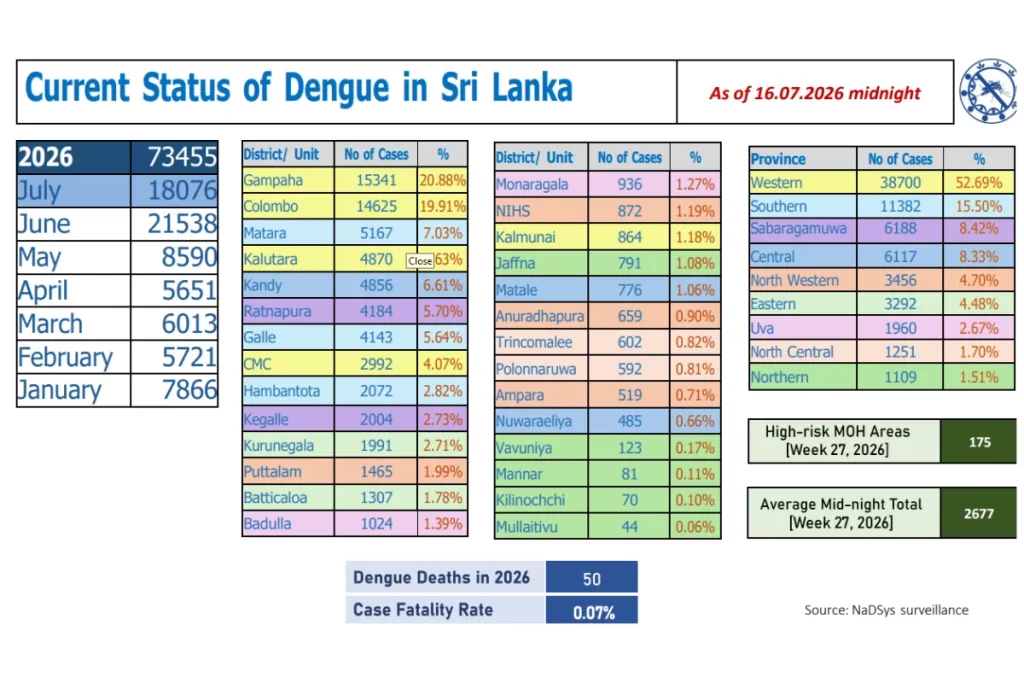
The National Dengue Control Unit reported 73455 dengue cases and 50 deaths nationwide so far this year, putting the case fatality rate at roughly 0.07%. June alone added more than 21,500 cases as the southwest monsoon set in, more than double May’s total. These figures shift weekly, so treat this as a snapshot rather than the final word. Check the NDCU’s official site for the latest count closer to your travel date.
Should I Cancel My Trip to Sri Lanka?
No, not because of dengue on its own. The vast majority of infections are mild and resolve at home with rest and fluids, and severe outcomes remain uncommon relative to total case numbers. That said, this isn’t a routine, low-key season. Hospitals in some of the hardest-hit districts have reported heavier patient loads than usual this year, so it’s worth going in with realistic expectations rather than assuming instant, five-star care if you do fall ill.
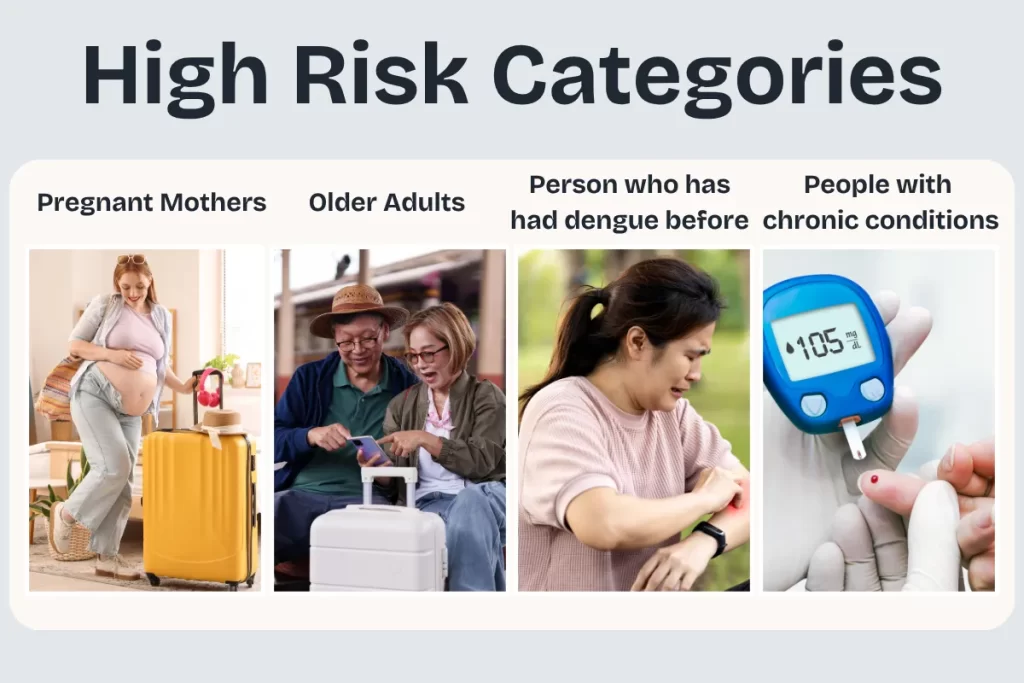
A few groups should think more carefully and talk to a doctor before booking or boarding:
- Pregnant travelers, since dengue during pregnancy carries added risks for both mother and baby
- Older adults, who face a higher chance of complications
- Anyone who has had dengue before, because a second infection can trigger a more severe immune response than the first
- People with chronic conditions such as diabetes or heart disease, or anyone who is immunocompromised
It’s also worth checking your own government’s travel advisory before departure. Advisories get updated as outbreak data changes, and they’ll sometimes flag specifics that a general guide like this one can’t cover for every nationality.
Where in Sri Lanka Is Dengue Most Common? (Regional Breakdown)
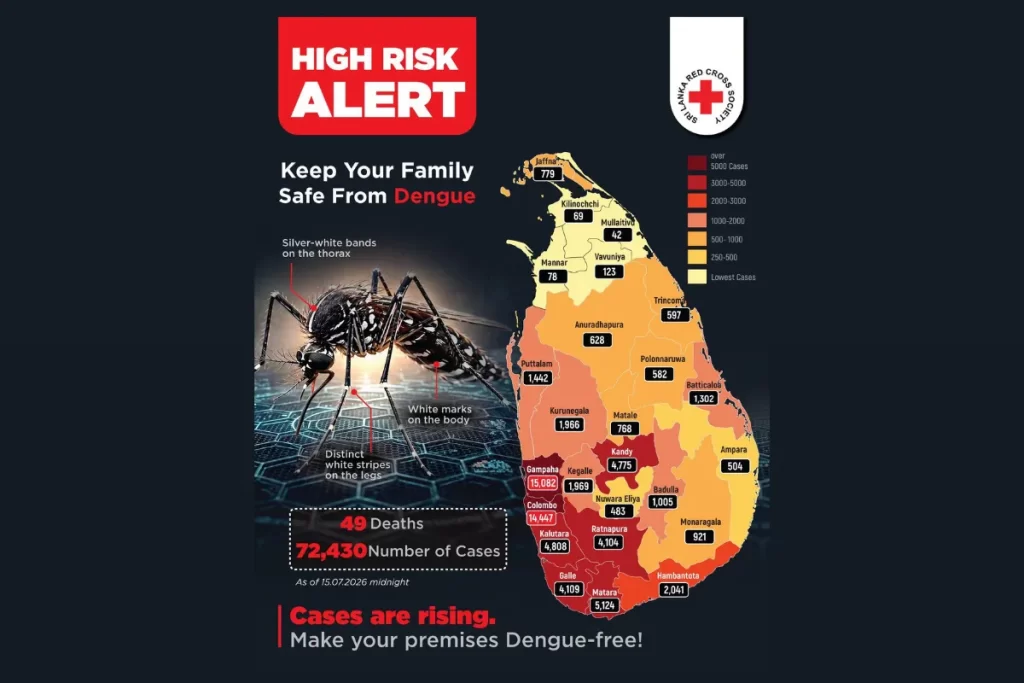
Dengue risk isn’t spread evenly across the island, and the geography matters for trip planning.
The Western Province, home to Colombo and Gampaha, accounts for close to half of all reported cases nationwide. Since Colombo is where most international arrivals land and spend at least a night or two, this is directly relevant if you’re routing your trip through the capital.
The Southern Province, covering Galle, Matara, and Hambantota, makes up roughly 16% of cases. That’s notable because this stretch of coastline, with its beaches and colonial-era fort towns, is one of the most visited regions in the country.
Kandy, in the Central Province, has also reported a meaningful share of cases this year, so the tea country and cultural triangle aren’t exempt either.
None of this means every visitor to these areas gets sick. Most reported cases are among residents, not short-term tourists, and the exposure window for someone spending a week or two on the island is far smaller than for someone living there year-round. But it does mean precautions matter most in exactly the places where most travelers actually go, especially during and just after monsoon season when mosquito populations spike.
Recognizing the Symptoms and Timeline

Dengue has earned the nickname “breakbone fever” for a reason. The joint and muscle pain it causes can feel disproportionate to what most people expect from a mosquito-borne illness.
Typical symptoms include:
- Sudden, high fever
- Severe headache, often with pain behind the eyes
- Joint and muscle aches
- Nausea or vomiting
- A skin rash
- Swollen glands
Symptoms typically show up 4 to 7 days after the mosquito bite that caused the infection, though in some cases it can take up to 10 days. That window matters if you’re trying to work out whether you picked it up during your trip, shortly before you left, or after you got home. If you develop a fever within about ten days of returning from Sri Lanka, mention the travel history to your doctor even if it feels unrelated.
The Critical Phase: When to Seek Urgent Medical Help
Here’s the part that catches a lot of travelers off guard. The fever from dengue usually lasts a few days and then breaks, and it’s natural to assume that means you’re on the mend. With dengue, the opposite can be true.
According to the CDC, warning signs of severe dengue typically begin in the 24 to 48 hours after the fever goes away, not during the fever itself. That’s the window to watch most closely, not the one to relax in.
Seek immediate medical care if you notice any of the following after your fever breaks:
- Severe abdominal pain or tenderness
- Persistent vomiting (three or more times in 24 hours)
- Bleeding from the nose or gums
- Blood in vomit or stool
- Extreme fatigue, restlessness, or irritability
- Difficulty breathing
None of these are symptoms to sit with and monitor from a hotel room. Get to a clinic or hospital as soon as they appear.
Treatment: What to Do If You Catch Dengue
There’s no antiviral cure for dengue, and treatment for mild to moderate cases is mostly about supporting your body while it fights off the infection. The WHO’s guidance is straightforward:
- Rest, and don’t push through it
- Stay hydrated with water or oral rehydration solutions, since fever and vomiting can drain fluids quickly
- Take paracetamol (acetaminophen) for pain and fever
One point worth repeating clearly: avoid aspirin and ibuprofen. Both can increase bleeding risk in dengue patients, which is the opposite of what you want given how the disease progresses. Paracetamol is the safer choice for managing pain and fever.
Most people recover within about a week with this kind of supportive care. If any of the warning signs above appear, that’s the point where home care stops being appropriate and hospital care becomes necessary.
Practical Prevention (During and After Your Trip)
Prevention here isn’t complicated, but it does need to be consistent, particularly during and just after monsoon months when mosquito activity is highest.
While you're in Sri Lanka

- Use a repellent containing DEET or picaridin, and reapply as directed
- Wear long sleeves and long pants, especially around dawn and dusk when the mosquitoes that spread dengue are most active
- Choose accommodation with air conditioning or well-screened windows where possible
- Avoid lingering near standing water, which is where these mosquitoes breed
After you get home
This is the part most travel guides skip entirely. If you start feeling unwell in the weeks after returning from Sri Lanka, keep wearing repellent at home, even if you’re staying indoors. If you are infected and a local mosquito bites you before you’ve recovered, that mosquito can pick up the virus and pass it to others nearby. It’s a small habit that prevents a single travel-acquired case from turning into a local cluster back home.
None of this means staying home instead of visiting. It means packing repellent, knowing what the warning signs look like, and taking any post-trip fever seriously until a doctor has ruled dengue out. That’s the same approach millions of travelers already take when visiting dengue-endemic regions worldwide, and it’s a small amount of preparation for what’s otherwise a trip worth taking.
FAQs About Dengue in Sri Lanka
Is there a dengue vaccine?
Yes. Qdenga (also known as TAK-003) is approved in a number of countries and is generally recommended for people who have had a prior confirmed dengue infection, since it’s most protective against severe disease in that group. Eligibility and recommendations vary by country and personal health history, so this is a conversation to have with a doctor or travel health clinic well before departure, not something to decide on your own.
Do I need travel insurance that covers dengue?
Yes, and it’s worth checking the fine print rather than assuming standard coverage applies. Look specifically for a policy that covers hospitalization abroad, since that’s where the real cost exposure sits if a case turns severe.
How is dengue actually diagnosed?
Through a blood test. Symptoms alone can overlap with other illnesses, so if you develop a fever during or after your trip, a proper diagnosis rather than guesswork is the safer route.
Can you get dengue more than once?
Yes, and this matters more than people expect. There are four distinct dengue virus types, and infection with one doesn’t protect you from the others. A second infection can actually carry a higher risk of severe disease than the first, which is part of why prior infection is treated as a genuine risk factor rather than a footnote.
Is a short trip really risky, or is this mostly a concern for residents?
Most reported cases are among people living in Sri Lanka year-round, and a one or two week visit carries a smaller cumulative exposure window than daily life in an affected area does. That said, short-term travelers aren’t exempt, especially if visiting during or right after monsoon season in higher-burden areas like Colombo, Galle, or Kandy. Sensible precautions apply regardless of trip length.