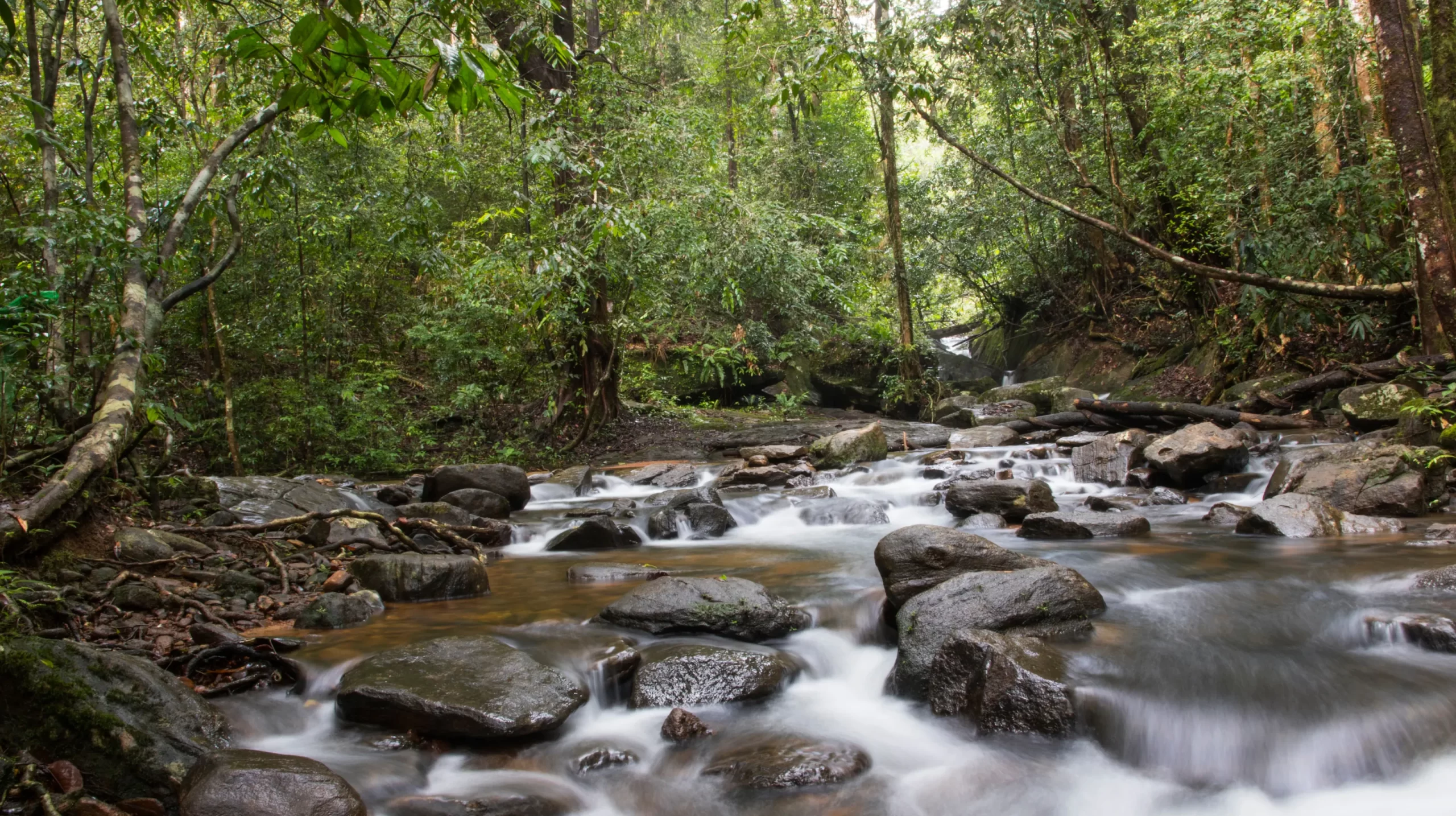
Wilpattu is Sri Lanka’s largest and oldest national park, about 1,317 square kilometers of flat monsoon forest, scrub, coastal mangrove, and open grassland in the northwest. The name comes from Willu Pattu, “Land of Lakes,” after the 60-odd natural rain-fed basins called villus scattered across the park. Drives here are slower and quieter than in Yala, with fewer jeeps on the track and a lot more waiting. This guide covers when to go, what a safari actually costs, which gate to use, and where to stay.

This guide helps you plan Wilpattu the right way. You’ll know when to go, which safari works best, where to stay, and how to enjoy the park without chasing guarantees. Calm planning. Real expectations.

Why Visit Wilpattu National Park?

Wilpattu safari and Sloth Bear
(Credit-travellersisle)

Visit for the quiet. Wilpattu suits travelers who want fewer jeeps, strong birdlife (over 230 species), and a patient safari rather than a crowded leopard chase. Leopards, sloth bears, and elephants all live here, but sightings are never guaranteed, and that’s part of the deal.

Where Is Wilpattu & How to Get There

The park sits in the northwest, across the Puttalam and Anuradhapura districts, close to Anuradhapura and the Cultural Triangle.

Getting There

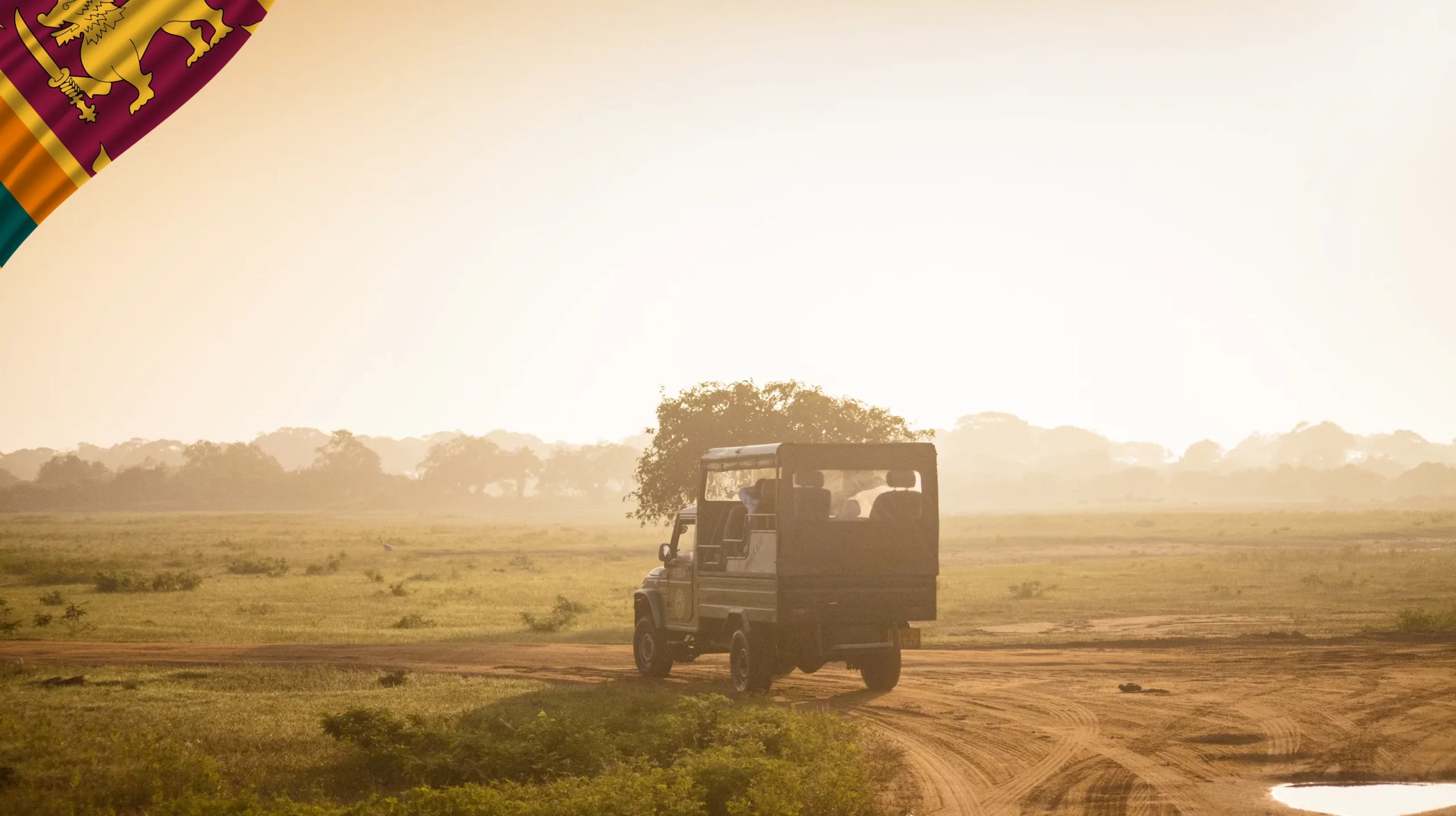
Wilpattu National Park Safari Vehicle
(Credit-travander.nl)

It’s roughly 180 to 190 km north of Colombo, about 4 to 5 hours by road, and 1.5 to 2 hours from Anuradhapura. Road access from the northwest coast is easy. Stay close to a gate so you can make a 6:00 am start without a long pre-dawn drive.

Understanding Wilpattu Before You Go

Wilpattu National Park Safari
(Credit-cvpp)

Distances inside the park are long, and animals gather at the villus rather than being spread evenly along the track. Leopards live here, but they’re harder to spot than in Yala, so go in expecting a good day out, not a guaranteed cat. The park is open daily from 6:00 am to 6:00 pm, and private vehicles and self-guided walking are not allowed: you must hire an authorized 4×4 jeep with a driver or ranger.

Best Time to Visit Wilpattu National Park

Wilpattu National Park
(Credit-tribewilpattu)

Best Months

February to October is the strongest window. The core of the dry season, May to September, concentrates wildlife around the villus that stay full while smaller water sources dry up, and the tracks are in their best condition.

Seasonal Highlights

Sloth bears are best from May to July, when yellow palu fruit ripens and draws them onto the open tracks (June and July are usually the sweet spot). November to April is better for birds, including migratory species.

Months to Avoid

October to January brings the northeast monsoon. Tracks turn muddy, access to the deeper parts of the park is limited, and thick foliage makes animals harder to see.

Safari Options in Wilpattu

Wilpattu National Park and Deer
(Credit-sri_lanka_travel_hub)

Morning Safari

Starts around 6:00 am and runs until about 11:00 am. Good for birdwatching, cooler temperatures, and quiet routes.

Afternoon Safari

Starts between 2:00 and 3:00 pm depending on the operator and runs until the park closes at 6:00 pm. The light is softer, and animals often move toward the lakes.

Full-Day Safari (Best Choice)

6:00 am to 6:00 pm, with a lunch break at a designated rest area such as Kumbuk Vila. A full day covers more ground, reaches the distant villus, and gives wildlife time to show up on its own. It’s the most rewarding option here, and the one we’d book.

Safari Costs in Wilpattu

Costs are made up of the park ticket (entry, service charge, vehicle permit, and 18% VAT) plus the jeep, and operators bundle these differently, so always ask for a written all-inclusive quote.

ItemApproximate CostNotes
Foreign adult park ticket~LKR 11,000 to 14,000 (roughly $35 to $45)All-in with service charge, vehicle permit, and tax
Jeep hire, half day~$40 to $50Typical operator quote
Jeep hire, full day~$90 to $120Typical operator quote
All-inclusive half-day package for two~LKR 34,000 to 36,000Jeep, guide, and park tickets
All-inclusive full-day package for two~LKR 56,000Includes packed lunch and permits

Wildlife You Can See in Wilpattu

Wildlife at Wilpattu
(Credit-yusufsaleem and wildclicks_by_supun)

Patience is rewarded here. Mammals include the Sri Lankan leopard (rare sightings), sloth bears (seasonal), Asian elephants, spotted deer, sambar, water buffalo, wild boar, jackals, and mongoose. 

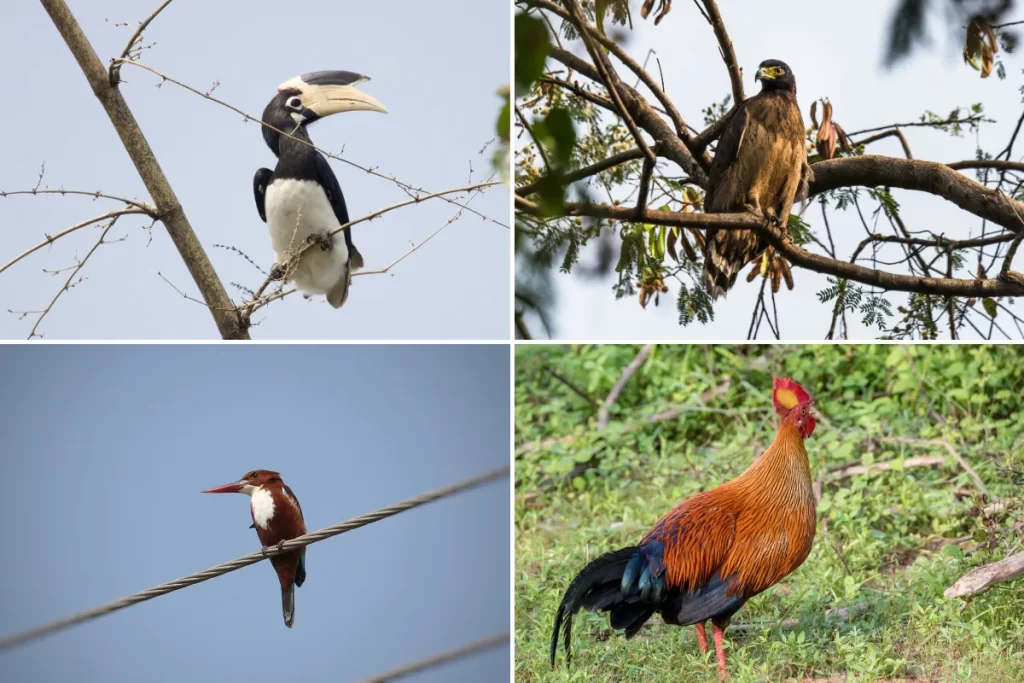
Malabar pied hornbills, crested serpent eagles, white-throated kingfishers and Sri Lankan Wildfowl

Birdlife covers Malabar pied hornbills, crested serpent eagles, painted storks, white-throated kingfishers, and the endemic Sri Lankan junglefowl, the national bird. You’ll also see mugger crocodiles in the bigger villus, land monitor lizards, and pythons.

Villus, Routes & Entrance Gates

Wilpattu National Park Entrance

Villus are sand-rimmed natural lakes that hold water through much of the year and pull wildlife in. A good guide knows which ones to wait beside and when.

Main Entrances

  • Eluwankulama Gate: the west coast route, with quieter tracks and deeper access.
  • Hunuwilagama Gate: the main gate for visitors coming from Anuradhapura or Colombo. More common, and slightly busier.

Choosing the Right Safari Operator

Wilpattu Safari Vehicle
(Credit-cvpp)

The guide matters more here than in other parks. Look for route knowledge, patience, and ethical driving: no chasing animals, no crowding sightings. Private jeeps are the better choice, and lodge-run safaris often work well. Inside the park you must stay in the vehicle, keep quiet near animals, skip flash photography, and take all your trash out.

Where to Stay Near Wilpattu

Stay close to the park for early starts, and pick based on guiding quality and location as much as comfort.

Best Areas to Stay

Accommodation Types (With Examples)

Budget Safari Lodges and Guesthouses (roughly $15 to $45 a night)

Safaria Lodge Wilpattu

Safaria Lodge Wilpattu is simple and safari-focused. The Back of Beyond, Wilpattu is nature-focused and calm. We couldn’t find a reliable live rate for either, so confirm directly. Wilpattu Wildhideaway, Lakwin Guest, and basic guesthouses around Hunuwilagama and Nochchiyagama also sit in this range.

Mid-Range Eco-Lodges (roughly $45 to $140 a night)

Big Game Camp Wilpattu (Left) and Wilpattu Tree House (Right)

Big Game Camp Wilpattu has comfortable tents and good guiding, and a live listing we checked for two adults came to roughly $115 a night. Wilpattu Tree House is a unique stay with forest views. The Backwaters Lodge and Wild Wadi Wilpattu are other options in this tier, with rates that are best confirmed directly.

Luxury Tented Camps (roughly $300 to $700 a night, usually all-inclusive)

Leopard Trails Wilpattu

Leopard Trails Wilpattu offers high-end tents, professional guides, and private game drives. Rates at this level usually include meals and safaris, so check what’s covered before comparing.

Mahoora Wilpattu - by Eco Team

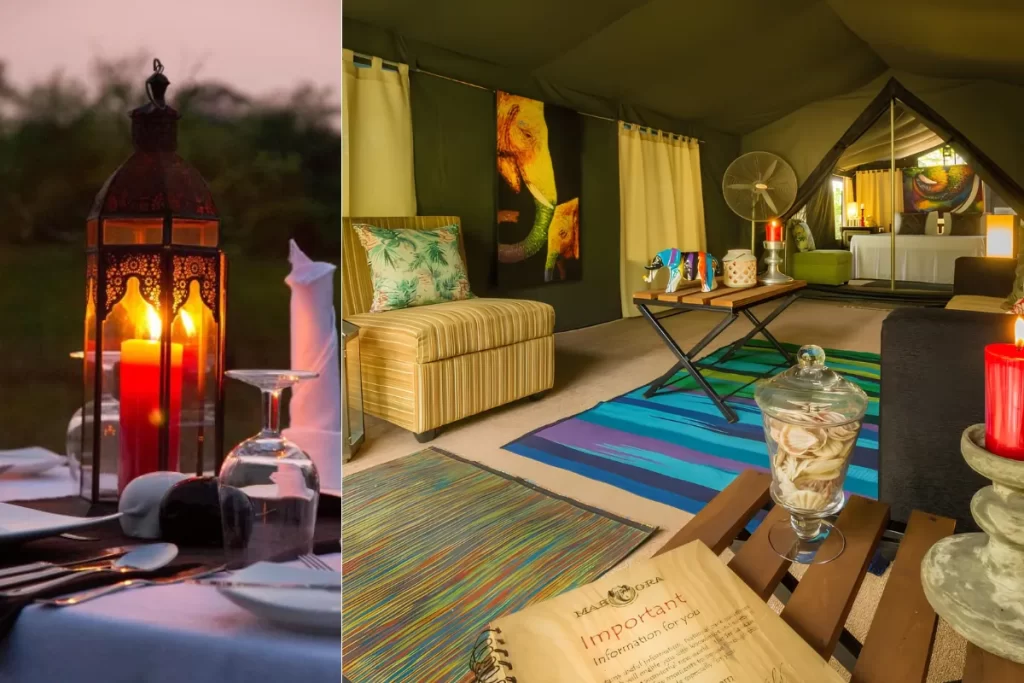
Mahoora Tented Safari Camp is the other name in this tier, with private naturalists, gourmet meals, and private game drives. 

Food & Dining Near Wilpattu

Most lodges include meals. Safari days are long, and dining stays simple.

Nearby Options

Awanthi's farmers Food Wilpattu

Expect filling Sri Lankan food and early dinners.

What to Pack for a Wilpattu Safari

  • Clothing: lightweight, long-sleeved shirts and trousers in khaki, olive, or brown.
  • Weather and dust: a light jacket or fleece for chilly 6:00 am starts, a dust mask or scarf, a wide-brimmed hat, and high-SPF sunscreen.
  • Optics and camera: 8x or 10x binoculars, a telephoto lens (200 to 400mm or more), spare batteries, and dust covers.
  • Personal: a refillable water bottle, snacks, DEET repellent, and some LKR cash for tips and entry counters.

How Many Days to Spend in Wilpattu

Two nights with at least one full-day safari is the best balance. One night limits how far you can reach, and three nights suit photographers and bird lovers.

Wilpattu vs Yala National Park

Leopards in Wilpattu And Yala
Leopards in Wilpattu And Yala (Credit-wildclicks.by.ansala)

Wilpattu is quieter and slower, with fewer vehicles and a more forest-and-lake feel. Yala has better odds of a leopard and a livelier scene at sightings. If a leopard is the main goal, Yala wins. If you want space and silence, pick Wilpattu.

Crowds, Ethics & Common Mistakes

  • Expecting a quick leopard sighting.
  • Booking only a half-day safari in a park this large.
  • Choosing an inexperienced guide.
  • Visiting in the peak rain months, October to January.

Safety & Practical Safari Tips

Wear neutral colors, carry water, use sun protection, and bring binoculars. Follow park rules and keep your distance from animals. Keep to your seat inside the jeep at all times, and bring insect repellent for the early morning and evening.

Is Wilpattu National Park Worth Visiting?

Wild Life In Wilpattu
Wild Life In Wilpattu (Credit-ankop_travels)

Yes, if you value quiet and don’t mind waiting. It’s a less crowded, more natural safari than Yala, and a full day here is a good way to spend a stop on the Cultural Triangle route.

Frequently Asked Questions About Wilpattu National Park

Is Wilpattu National Park worth visiting?

Yes, especially if you prefer a quieter, slower safari with fewer jeeps than Yala.

It’s Sri Lanka’s largest and oldest national park, known for its natural lakes (villus), leopards, sloth bears, and calm atmosphere.

Leopards (rare), sloth bears (seasonal), elephants, deer, crocodiles, monitor lizards, and over 230 bird species.

Possible but not common. Leopards are harder to spot here than in Yala, so treat any sighting as a bonus.

February to October, with May to September the strongest for wildlife. October to January is wet and best avoided.

It depends. Wilpattu is quieter and more peaceful, while Yala offers better odds of seeing a leopard.

Not required, but strongly recommended. The park is large and a full day lets you reach the more distant villus.

Yes, morning or afternoon, but you’ll cover less ground and have fewer chances at the rarer animals.

Eluwankulama is quieter with deeper access, while Hunuwilagama is more common and slightly busier.

Near Eluwankulama or Hunuwilagama for an early start. Choose a lodge with a good guide, not just good rooms.

Yes, for children who can sit quietly through a long drive. A half-day safari is easier for younger kids.

Yes, when you follow park rules and stay inside the jeep with an authorized guide.

It’s wise, especially in the dry season. Booking through your lodge or a trusted operator saves you time at the gate.


administrator

Content creator with a strong interest in meaningful and engaging content, along with history, science, and geopolitics. I create clear, honest work that helps readers understand places more deeply and explore the world with confidence.

1 Comment

Leave a Reply

Your email address will not be published. Required fields are marked *