Picture yourself starting the day with a sunrise hike in the misty hills, spotting wild elephants by afternoon, and watching whales leap at sea before sunset. In Sri Lanka, these moments aren’t rare they’re part of everyday travel. The island is small, but its mix of culture, adventure, and wildlife means you’ll never run out of things to do.
Go on a Safari

Sri Lanka is one of Asia’s top safari destinations, and each park offers a different experience:
Safaris usually cost less than African equivalents, and you’ll ride in open jeeps with expert guides.
Try Surfing and Water Sports
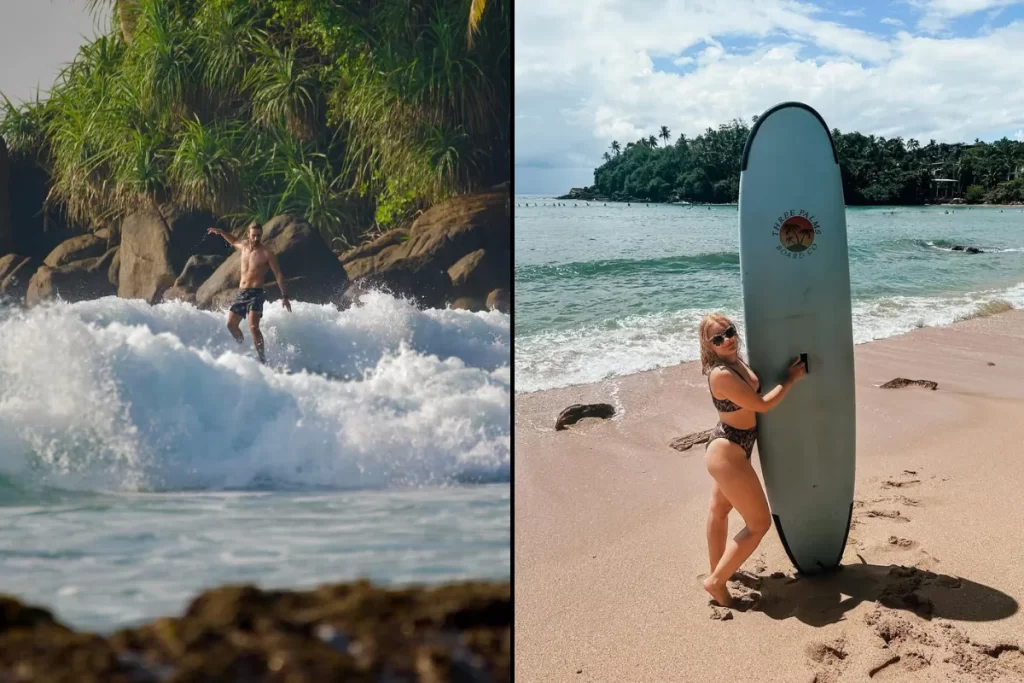
Sri Lanka is a surfer’s dream with warm waters and waves for all levels:
If surfing isn’t your thing, try kite surfing in Kalpitiya, snorkeling in Unawatuna, or jet-skiing in Bentota.
Go Whale and Dolphin Watching

From November to April, the south coast (Mirissa, Galle, Dondra Head) is one of the best places in the world to see blue whales. From May to October, head to Trincomalee or Nilaveli on the east coast for dolphin pods and whale sightings.
Tours usually start early morning, so bring sunscreen and a hat (and maybe seasickness tablets just in case).
Hike in the Hill Country

The central highlands are cooler and full of breathtaking trails:
- Ella: Walk across Nine Arches Bridge, climb Little Adam’s Peak, or tackle Ella Rock for sweeping views.
- Horton Plains National Park: Hike to World’s End cliff for a dramatic sunrise view.
- Adam’s Peak: A night climb leading to a sacred summit where pilgrims and travelers share sunrise together.
Don’t miss the Kandy-Ella train ride often called the most scenic train journey in the world.
Explore Culture and Heritage

Sri Lanka’s cultural sites are as impressive as its landscapes:
- Sigiriya Rock Fortress: Ancient citadel with frescoes and gardens.
- Dambulla Cave Temple: Murals and Buddha statues inside caves.
- Kandy’s Temple of the Sacred Tooth Relic: One of Buddhism’s holiest sites.
- Colonial Galle Fort: Dutch architecture, cafes, and ocean walls at sunset.
Mixing these stops with safaris and beaches gives you a fuller picture of the island.
Relax on the Beaches

Beaches here suit every mood:
- Mirissa: Whale watching and sunset bars.
- Unawatuna: Snorkeling and family-friendly sands.
- Arugam Bay: Surf culture and chilled nightlife.
- Trincomalee & Uppuveli: Quieter, postcard-perfect stretches.
If you’re traveling during the monsoon, choose your coast wisely: south and west are best Nov–Apr, while the east coast shines May–Sept.
Practical Tips
- Combine activities: It’s easy to surf in the morning, visit a temple midday, and go on safari by evening.
- Pack light layers: You’ll need beachwear for the coast and a jacket for cool hill country nights.
- Book early for trains and safaris: Seats and jeep tours sell out in high season.
- Stay flexible: Some of the best memories come from unplanned detours—a village meal, a roadside fruit stand, or a local festival.
Final Thoughts

Sri Lanka isn’t just about seeing places it’s about experiencing them. Whether you’re chasing waves in Arugam Bay, sharing the road with elephants in Udawalawe, or sipping tea high in the hills, every day feels like a new adventure.
Choose a mix of culture, nature, and fun, and you’ll discover why this island leaves such a lasting mark on travelers.
Featured Image Credit – digitaltravelcouple and backpackdiariez
FAQ: Best Activities and Excursions to Try in Sri Lanka
What's the single best activity in Sri Lanka if I only have 48 hours?
Tough call, but honestly — combine Sigiriya in the morning and a Minneriya or Udawalawe safari in the afternoon. You get the cultural heavyweight and wildlife in one day. Day two, take the Kandy–Ella train and end with a hike. That two-day combo gives you the truest feel of what Sri Lanka actually is.
Which safari park should I pick — Yala, Minneriya, or Udawalawe?
Depends entirely on what you’re after. Yala if leopards are your priority — it has the highest leopard density in the world. Minneriya if you’re visiting between July and September — “The Gathering” of hundreds of elephants around the lake is genuinely one of Asia’s most spectacular wildlife events. Udawalawe if you want a near-guaranteed elephant sighting year-round without the Yala crowds. Wilpattu if you want the experience without the tourist jeep traffic.
I've never surfed before. Is Sri Lanka actually a good place to learn?
Yes — and it’s one of the more forgiving places to start. Weligama specifically is ideal for beginners: gentle waves, warm water, and surf schools everywhere. Lessons are affordable, instructors are experienced, and the vibe is relaxed. Just don’t show up in Arugam Bay expecting the same — that’s for people who already know what they’re doing.
How physically demanding is the Adam's Peak climb?
More than most people expect. It’s over 5,000 steps, you’ll likely be climbing in the dark starting around midnight, and the final stretch is genuinely steep. If you’re not reasonably fit or have knee issues, reconsider. That said, pilgrims of all ages do this climb — the atmosphere and shared energy of reaching the top at sunrise is unlike anything else on the island. Wear proper shoes, not sandals.
Is whale watching in Sri Lanka actually reliable, or is it hit or miss?
It’s more reliable than people think — IF you go in the right season and choose a reputable operator. Mirissa between November and April gives you strong odds of seeing blue whales. March and April are peak months. The problem is some budget operators overload boats and don’t follow responsible guidelines. Pick a tour that limits passenger numbers and maintains safe distances from the animals. And yes — bring seasickness tablets regardless of how steady you feel on land.
Is the Kandy–Ella train worth the hype?
Genuinely, yes. It’s one of those rare travel experiences that lives up to its reputation. The views through the tea estates and misty hills are stunning. Book a seat in advance — the observation car and first-class seats fill up fast in high season. If you can’t get a reserved seat, the open door between carriages actually gives you better photos anyway.
How do I handle the monsoon season when planning activities?
Simple rule: south and west coast (Mirissa, Hikkaduwa, Unawatuna) are best from November to April. East coast (Arugam Bay, Trincomalee) is best from May to September. Hill country is accessible year-round but expect afternoon rain from May onwards. Don’t try to fight the monsoon — just flip your itinerary based on which coast is in season.
Are the entry fees at cultural sites worth it for foreign tourists?
Bluntly, yes — even at $30 for Sigiriya. These are UNESCO World Heritage Sites and genuinely world-class. The fees fund conservation. What’s not worth it is paying that much and rushing through in 45 minutes. Budget at least 2–3 hours per major site. Dambulla Cave Temple costs significantly less and is underrated compared to Sigiriya.
Can I realistically combine beach, safari, and hill country in one trip?
Yes — this is actually Sri Lanka’s biggest advantage. The island is compact enough that a well-planned 10–14 day trip can hit all three zones without feeling rushed. A solid route: Colombo → Sigiriya/Dambulla → Kandy → Ella (by train) → Udawalawe → South Coast beaches. Two weeks, and you’ve covered the whole story.