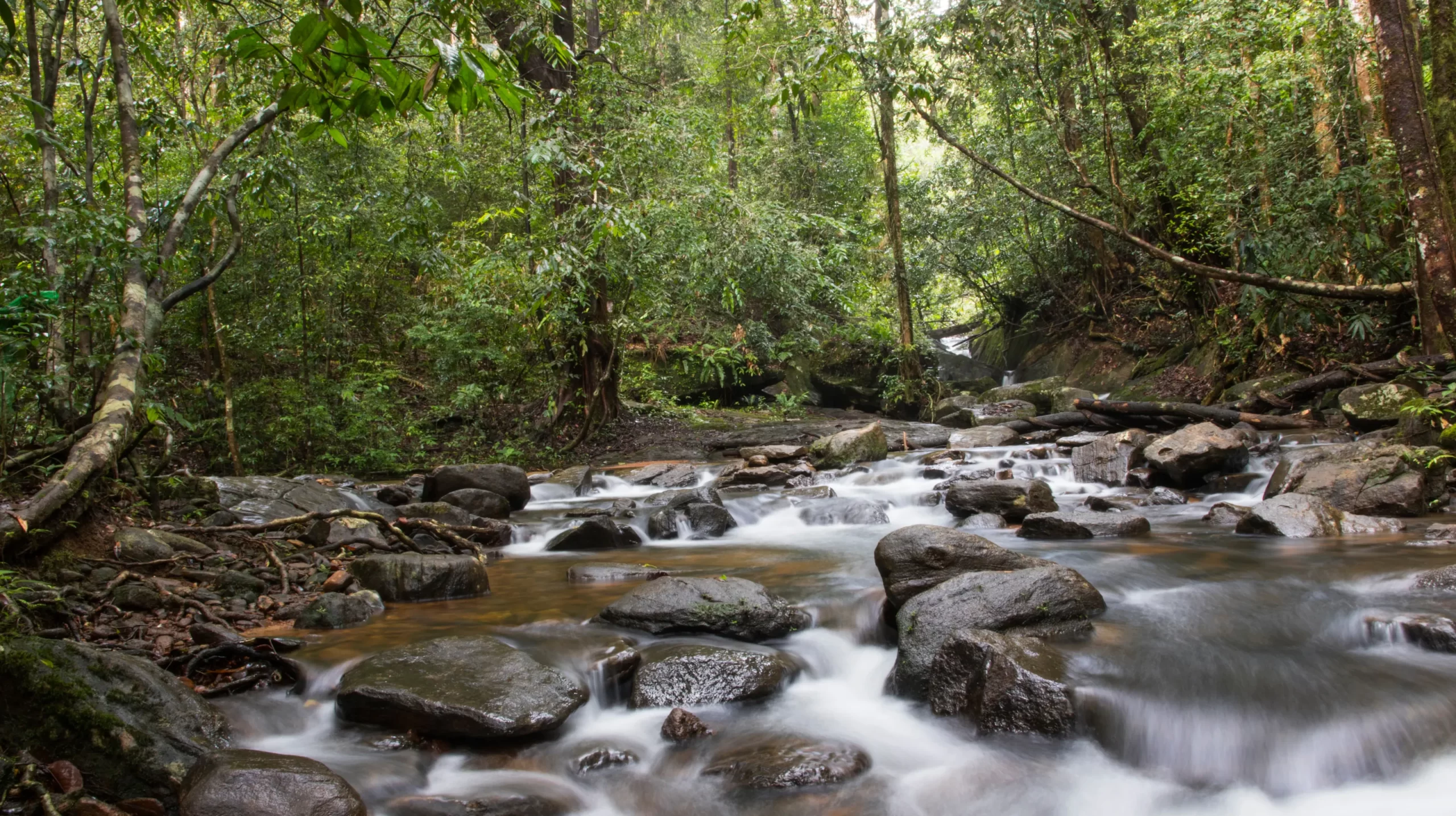
At dawn, the forests of Sri Lanka come alive. The call of a Ceylon Blue Magpie echoes through the misty canopy, a flash of crimson feathers darts past and before long, the forest seems to sing. For bird lovers, there’s no better concert.

With more than 480 recorded bird species, including 33 endemics found nowhere else on Earth, Sri Lanka is one of Asia’s most rewarding birdwatching destinations. From tropical rainforests to highland mist, mangroves, and dry plains every region of the island holds a new surprise.

Here’s your guide to the best places to see rare species, when to visit, and how to make your birdwatching trip truly unforgettable.

Why Sri Lanka Is a Birdwatcher’s Paradise

Flight of aquatic birds in Arugam bay lagoon, Sri Lanka

Sri Lanka may be small, but it’s incredibly diverse. Within just a few hours’ drive, you can move from rain-drenched jungles to sun-baked lagoons. This variety of habitats combined with two annual monsoons creates perfect conditions for resident and migratory birds alike.

You’ll find:

  • Rainforest endemics like the Serendib Scops Owl and Red-Faced Malkoha.
  • Highland specialists such as the Whistling Thrush and Yellow-Eared Bulbul.
  • Wetland giants like flamingos, pelicans, and storks along the coast.
  • Seasonal visitors from Siberia, India, and Europe between November and April.

And because the island is compact, you can easily explore multiple birding zones in one trip, a rare luxury for any birdwatcher.

Best Time for Birdwatching in Sri Lanka

Bird Watching Through Binoculars

By Season

  • November to April: Peak birding season with dry weather and hundreds of migratory species.
  • May to September: Still excellent for endemics; fewer visitors and lush scenery.
  • October: Wet but photogenic; the forests brim with new life.

By Time of Day

  • 6:00–8:00 a.m.: Best for song and feeding activity.
  • 4:00–6:00 p.m.: Great lighting and calm conditions for photography.

(Traveler tip: Always move slowly and listen – birdwatching here is as much about sound as sight.)

Top Birdwatching Locations in Sri Lanka

1. Sinharaja Rainforest – The Kingdom of Endemics

Sinharaja Rain Forest and Its Pitadeniya Entrance
Sinharaja Rain Forest and Its Pitadeniya Entrance (Credit-donga_srilanka and srilankatours_unlimited)

A UNESCO World Heritage Site, Sinharaja is Sri Lanka’s most famous birding destination — a dense rainforest alive with movement and color.

Highlights:

Birds in Sinharaja ( Serendib Scops Owl, Sri Lanka Blue Magpie and Red-Faced Malkoha)
Serendib Scops Owl, Sri Lanka Blue Magpie and Red-Faced Malkoha (Credit-kasunchathurangaa and rajivwelikala)

Tips:

  • Visit between November and April.
  • Explore with a local guide – they know the songs and hiding spots.
  • Best entrances: Deniyaya (south) or Kudawa (northwest).

2. Kitulgala Forest Reserve – Rainforest in Miniature

Kitulgala Forest Reserve
Kitulgala Forest Reserve (Credit-srilankanodyssey and karenrpark)

If Sinharaja is the king of rainforests, Kitulgala is its friendly cousin smaller, easier to explore, and rich in lowland forest species.

Species to Spot:

Birds in Kitulagala (IMG-u/rrutnam, Thimindu and Charles J. Sharp)
Chestnut-Backed Owlet, Ceylon Hanging Parrot and Sri Lanka Grey Hornbill (Credit-u/rrutnam, Thimindu and Charles J. Sharp)

Best Time:

November to April; early mornings around the Kelani River are especially rewarding.

3. Horton Plains National Park – Highland Rarities

Horton plains and Wildlife photographer
Horton plains and Wildlife photographer (Credit-brixstephan and dinith023)

Perched over 2,000 meters high, Horton Plains is a blend of cloud forest and grassland the best place to see Sri Lanka’s montane endemics.

Look for:

birds in Horton Plains National Park
Sri Lanka Whistling Thrush, Dull-Blue Flycatcher and Yellow-Eared Bulbul (Credit-Gihan Jayaweera, Buddhika.jm and NireshaJAththa)

Best Time:

 December to March; bring warm layers and start before sunrise.

4. Knuckles Mountain Range – The Hidden Highlands

Knuckles Mountain Range
Knuckles Mountain Range (Credit-destinator_sanka and anfasahamed)

A quieter, less-visited region near Kandy. The Knuckles Range offers breathtaking mountain scenery and highland species similar to Horton Plains but without the crowds.

Species Highlights:

Ceylon Wood Pigeon, Ceylon Scimitar Babbler, and Hill Swallow
Ceylon Wood Pigeon, Ceylon Scimitar Babbler, and Hill Swallow (Credit-Steve Garvie, Punitha Satharasinnghe and Dharani Prakash)

5. Bundala National Park – Flamingo Haven

Bundala National Park
Bundala National Park (Credit-thusilae)

Located in Sri Lanka’s dry south coast, Bundala is a Ramsar-designated wetland that hosts over 150 migratory bird species.

Spotlight Species:

Greater Flamingo, Pelican, Painted Stork
Greater Flamingo, Pelican and Painted Stork (Credit-Giles Laurent, Charles J. Sharp and Swardeepak)

Best Time:

 November to April; go early to catch the sunrise glow on the lagoons.

6. Kumana National Park – The Eastern Bird Sanctuary

Kumana National Park
Kumana National Park (Credit-ravinduattanayake_photography and unknown)

Part of the same ecosystem as Yala but much quieter, Kumana is paradise for birders who love open wetlands and forest edges.

Look For

Black-Necked Stork, Brahminy Kite, Lesser Adjutant,
Black-Necked Stork, Brahminy Kite and Lesser Adjutant (Credit-JJ Harrison, Afsar Nayakkan and Irothu)

(Traveler tip: Combine Kumana with a visit to Arugam Bay or Okanda Temple for a balanced coastal adventure.)

7. Anawilundawa Bird Sanctuary – Easy Wetland Escape

Anawilundawa Bird Sanctuary
Anawilundawa Bird Sanctuary (Credit-the__dendrophile_)

Just two hours north of Colombo, Anawilundawa offers a relaxing introduction to birding perfect for beginners or families.

Species:

Cormorants, herons, egrets, and seasonal migrants. Early morning light turns the tanks (lagoons) into shimmering mirrors filled with life.

8. Mannar & Kalametiya Wetlands – Where the Migrants Gather

Kalametiya Wetlands
Kalametiya Wetlands (Credit-pro_journey_)

Mannar Island in the northwest and Kalametiya Lagoon on the south coast are vital stopovers for migratory birds.

Highlights:

Indian Courser, Grey Plover and Eurasian Spoonbill,
Indian Courser, Grey Plover and Eurasian Spoonbill (Credit-Tisha Mukherjee, Chuck Homler and Andreas Trepte)

Rare & Endemic Birds You Shouldn’t Miss

Species

Best Place to See

Notes

Serendib Scops Owl

Sinharaja

Extremely rare, nocturnal; guided night walks only.

Sri Lanka Junglefowl

Sinharaja, Horton Plains

Sri Lanka’s national bird; brilliantly colored males.

Sri Lanka Blue Magpie

Sinharaja, Kanneliya

Intelligent, loud, and beautiful.

Chestnut-Backed Owlet

Kitulgala

Day-active owl; vocal and curious.

Yellow-Eared Bulbul

Horton Plains

Highland endemic, easy to spot near park entrance.

Black-Necked Stork

Kumana, Bundala

Rare and dramatic; among Asia’s tallest birds.

Ceylon Hanging Parrot

Wet zone forests

Tiny and fast; look for red bill and green plumage.

Migratory Bird Season

Large flock of birds migrating against a dramatic sunset sky

From August to April, Sri Lanka welcomes thousands of migratory birds escaping northern winters.

  • Best locations: Bundala, Kumana, Mannar, Anawilundawa.
  • Species: Indian Pitta, Pied Thrush, Sandpipers, Ducks, and Waders.
  • Peak: December to February, when resident and migratory species overlap beautifully.

Birdwatching Tips for Travelers

Senior Couple Bird Watching
  • Hire local guides: They recognize calls and know where to look.
  • Use binoculars (8×40 or 10×42) and carry a field guide or birding app.
  • Dress quietly: Earthy colors, light cottons, and closed shoes.
  • Move slowly and stay quiet — especially in rainforests.
  • Avoid playback recordings or flash photography.
  • Bring water and snacks, as trails can be long.

(Eco Tip: Don’t trample vegetation or disturb nests — patience brings the best rewards.)

Suggested Birding Routes

Bird watching kids

1. The Classic Endemic Trail (7–10 Days)

Colombo → Kitulgala → Sinharaja → Udawalawe → Bundala → Galle

Perfect for seeing both rainforest and wetland species.

2. Highland Explorer (5–7 Days)

Kandy → Knuckles Range → Horton Plains → Nuwara Eliya Gardens

For cool climates and rare montane endemics.

3. Coastal Migration Trail (5–6 Days)

Colombo → Anawilundawa → Mannar → Kumana

Ideal for winter visitors and flamingo sightings.

Responsible Birdwatching & Conservation

Sri Lanka’s birdlife is precious but fragile. Many endemic species, like the Serendib Scops Owl, have tiny populations and limited habitats. You can help protect them:

  • Support community-run eco-lodges and licensed guides.
  • Avoid disturbing roosting or nesting birds.
  • Do not use drones or playback sounds.
  • Carry out all litter.
  • Share rare sightings with the Field Ornithology Group of Sri Lanka (FOGSL) — it helps conservation research.

Your patience and respect help keep the island’s skies full of song.

Final Thoughts

Birdwatching in Sri Lanka isn’t just a hobby it’s an experience of rhythm and color. Whether you’re tracing the haunting call of the Whistling Thrush in the highlands or watching flamingos dance across Bundala’s pink lagoons, the island offers something rare closeness to nature.

So, pack your binoculars, set your alarm for sunrise, and listen closely. In Sri Lanka, the forest always has a story to tell one flutter, one note, one heartbeat at a time.

FAQ: Birdwatching in Sri Lanka

I've never been birdwatching before. Is Sri Lanka a good place to start, or is it better suited for experienced birders?

Honestly, it works for both and that’s one of Sri Lanka’s genuine strengths as a birding destination. Places like Anawilundawa Bird Sanctuary and Kitulgala are relaxed, accessible, and don’t require any specialist knowledge to enjoy. You’ll spot herons, egrets, hornbills, and colourful forest birds without even trying hard. Sinharaja and Horton Plains, on the other hand, will challenge even experienced birders looking for endemics. The island essentially has a birding experience for every level, which is rare.

A well-planned two-week trip covering two or three birding zones say, Sinharaja, Horton Plains, and Bundala could realistically yield 150–200 species, including a good number of endemics. Serious birders with dedicated itineraries and experienced local guides regularly record 200+ species. The key word is “planned” random sightseeing with a bit of birdwatching on the side will give you far fewer. If you’re serious about numbers, build your itinerary around birding first and sightseeing second.

Sri Lanka has 33 bird species found nowhere else on earth. That’s a remarkable number for an island this size. The endemics range from the spectacular the Sri Lanka Blue Magpie with its vivid blue and chestnut plumage to the almost mythical. The one that should top your list is the Serendib Scops Owl. It wasn’t even scientifically documented until 2001, making it one of the most recently discovered owl species in Asia. It’s nocturnal, genuinely rare, and restricted to lowland rainforest. Spotting one on a guided night walk in Sinharaja is the kind of moment serious birders travel across the world for.

You can go independently at most locations, but hiring a local guide is one of the best investments you’ll make especially in Sinharaja and Kitulgala. Here’s the honest reason: most forest birds are heard before they’re seen, and Sri Lanka’s endemic calls are not something you’ll recognise from a recording or app alone. A good local guide doesn’t just find the birds faster — they’ll hear a Ceylon Frogmouth 50 metres into the canopy and know exactly where to position you for the best view. The difference between a guided and unguided Sinharaja experience is enormous. Guides typically charge LKR 2,000–5,000 per session and are worth every rupee.

Sinharaja Rainforest and it’s not close. It’s a UNESCO World Heritage Site, Sri Lanka’s last viable area of primary lowland rainforest, and home to the highest concentration of endemics on the island. If you only have time for one dedicated birding stop, this is it. The experience of following a mixed-species feeding flock through the forest canopy, picking out Blue Magpies, Red-Faced Malkohas, and Green-Billed Coucals in a single sweep, is genuinely extraordinary. The best access points are Deniyaya in the south and Kudawa in the northwest — Kudawa tends to get slightly more visitors, so Deniyaya is worth considering if you prefer quieter trails.

Yes, without question. The window between 6:00 AM and 8:00 AM is when bird activity peaks. Feeding, territorial calls, pair bonding it all happens in the first two hours of daylight. By 10:00 AM the forest goes quieter and many species retreat into canopy shade. The late afternoon slot between 4:00 PM and 6:00 PM offers a second active period and better photographic light. Midday birding in the tropics is largely unproductive and hot. Set the alarm, go early, and the forest will reward you in ways that a 9:00 AM start simply won’t.

Both, but the birding case is stronger than most people realise. At over 2,000 metres elevation, Horton Plains has a completely different bird community from the lowland forests highland specialists that you simply cannot see anywhere else on the island. The Sri Lanka Whistling Thrush, the Dull-Blue Flycatcher, and the Sri Lanka Bush Warbler are all montane endemics restricted to this type of habitat. Come before sunrise, bring warm layers (it genuinely gets cold up there at dawn), and walk slowly near Baker’s Falls and the forest edges. The landscape is dramatic and the birding is excellent — it’s not just a hiking checkbox.

Migratory birds begin arriving from August onwards, with numbers peaking between December and February when resident and migratory species overlap at their richest. The migrants come from Siberia, Central Asia, India, and Europe escaping northern winters to spend months in Sri Lanka’s wetlands and coastline. Bundala, Kumana, Mannar Island, and Anawilundawa are the top locations for migration watching. You can expect Indian Pitta, Pied Thrush, multiple sandpiper and plover species, ducks, waders, and flamingos in good numbers. The spectacle of a flamingo flock rising over Bundala’s lagoons at sunrise in January is one of those sights that stays with you.

You don’t need to spend a fortune, but two things genuinely matter. First, binoculars an 8×40 or 10×42 pair gives you the magnification and light-gathering you need in dense forest. Don’t rely on your phone camera for rainforest birding; by the time you’ve opened the camera app, the bird is gone. Second, a field guide or birding app the Illustrated Checklist of the Birds of Sri Lanka is the go-to reference, and the eBird app works well for logging sightings and checking what others have spotted recently nearby. Beyond that: earth-toned or neutral clothing (avoid white and bright colours), comfortable closed shoes, water, and sunscreen. That’s genuinely all you need.

A few things that matter more than people realise. Don’t use playback recordings to attract birds it’s increasingly frowned upon in Sri Lanka’s birding community and can disrupt territorial and nesting behaviour, particularly for rare species with small populations. Avoid flash photography near roosting birds and nests. Move slowly and speak quietly this isn’t just polite etiquette, it’s what actually gets you better sightings. And if you spot something genuinely rare, consider logging it with the Field Ornithology Group of Sri Lanka (FOGSL) — your sighting becomes part of the conservation research that helps protect the species.

The Coastal Migration Trail works well for a short trip: Colombo → Anawilundawa → Mannar → Kumana. It keeps driving distances manageable and gives you excellent wetland and migratory birding. If endemics are your priority over migrants, swap this for a condensed version of the Highland Explorer — Kandy → Knuckles Range → Horton Plains. That covers montane endemics in cooler, more dramatic scenery. Both routes are achievable in 5–6 days without feeling rushed, provided you base yourself locally rather than commuting from Colombo each day.

It’s underrated as a birding destination and genuinely worth it if you want a less crowded alternative to Horton Plains. The highland species are similar Ceylon Wood Pigeon, Ceylon Scimitar Babbler, Hill Swallow and the landscape is arguably more dramatic. The trails are less developed than Horton Plains, which means fewer visitors and more undisturbed forest. If you’re combining birdwatching with hiking and photography and prefer solitude over convenience, Knuckles delivers on all three without the entry fee crowds of the more famous parks.


administrator

Content creator with a strong interest in meaningful and engaging content, along with history, science, and geopolitics. I create clear, honest work that helps readers understand places more deeply and explore the world with confidence.

Leave a Reply

Your email address will not be published. Required fields are marked *