
Sri Lanka has no single best way to get around, since trains, buses, tuk-tuks, private drivers, ride-hailing apps, and even short domestic flights all have their place. Trains are the slow, scenic choice, best known for the Kandy to Ella route. Buses go almost everywhere and are the cheapest option, including a new air-conditioned Metro Bus service now running across Colombo. Tuk-tuks handle short hops, and a private driver makes sense once your itinerary gets complicated. This guide walks through each option, what it actually costs, and the legal and practical details that trip travelers up.
Where to Base Yourself on Night One
After a long flight, where you sleep first matters more than people expect. Negombo, just 15 to 20 minutes from Bandaranaike International Airport, is the easier choice over central Colombo, which can take 30 to 45 minutes or more via the E03 Katunayake Expressway, longer in traffic. Arriving exhausted and immediately fighting an hour of traffic is a rough start to a trip. A private taxi booked at the arrival counters, a hotel pickup, or a local bus for budget travelers are all realistic ways to make that first transfer.
Trains: Slow, Scenic, and Iconic

Why take them:
Sri Lanka’s trains are famous for a reason. The stretch from Kandy to Ella is often called one of the most beautiful train rides anywhere, with tea slopes, waterfalls, and misty valleys sliding past the window. The coastal line from Colombo to Galle is just as pleasant, with sea views for most of the ride.
How Booking Works
At Colombo Fort, the main station, reserved seats are booked at the Berth and Intercity Reservation Office, generally known as Counter 17, reached from the roadway at the front of the station. Reserved tickets open 30 days in advance and sell out fast on popular routes, so book online through Sri Lanka Railways or a private booking platform as soon as your dates are fixed. For unreserved, same-day tickets on the Main and East Line routes to Kandy, Hatton or Adam’s Peak, Nanu Oya or Nuwara Eliya, Ella, and Badulla, check the departures board for the numbered counter currently selling your route, since this can shift. Unreserved tickets are always available on the day, but expect to stand if the train is busy.
Choosing a Carriage Class
| Class | What to expect |
|---|---|
| 1st Class AC | Air-conditioned, reserved, sealed windows. Comfortable, but you can’t open a window for a breeze or a photo. |
| 2nd Class, reserved or unreserved | Openable windows and doors, which is why it’s the favorite for scenic routes and photography. |
| 3rd Class, reserved or unreserved | The cheapest option. Unreserved third class can get extremely packed during peak hours. |
| Observation Car | A special carriage on select hill country trains (Colombo to Kandy or Badulla) with large rear-facing windows built for the view. |
Getting the Best Seat
Toward Badulla, sit on the left. Leaving Kandy, sit on the right, then swap sides after Nanu Oya. Journeys are long, Colombo to Badulla (292km) can take 9 or more hours, but the scenery is the reason people put up with it. Carry snacks, water, and a light jacket, since the hill country cools down fast once you’re up in elevation.
Buses: Cheap, Frequent, and Evolving Fast
Buses go almost everywhere, often faster than trains, and they’re the cheapest way to cover ground. There are several distinct types worth knowing apart.
State CTB Buses

The red, government-run buses that run standardized routes at low, regulated fares. Reliable, cheap, and no-frills.
Private Buses
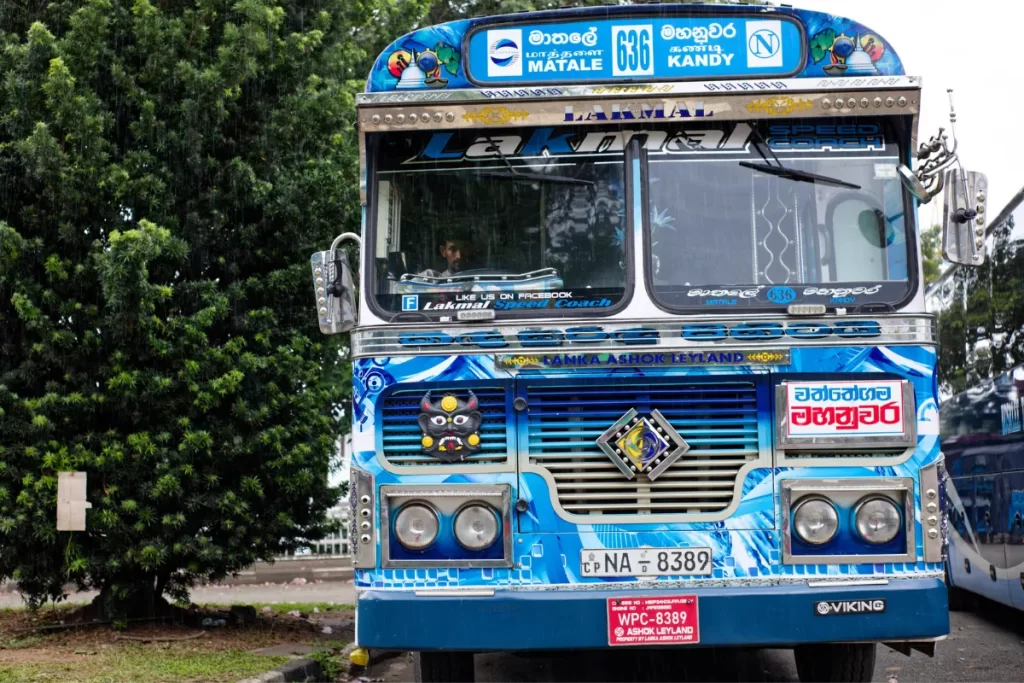
Blue or multi-colored buses that run frequently and fast, sometimes too fast. Drivers can be aggressive on narrow roads, and the ride usually comes with loud music and a crowded aisle. They’re a genuine part of the experience, for better or worse.
Luxury and Express Minibuses
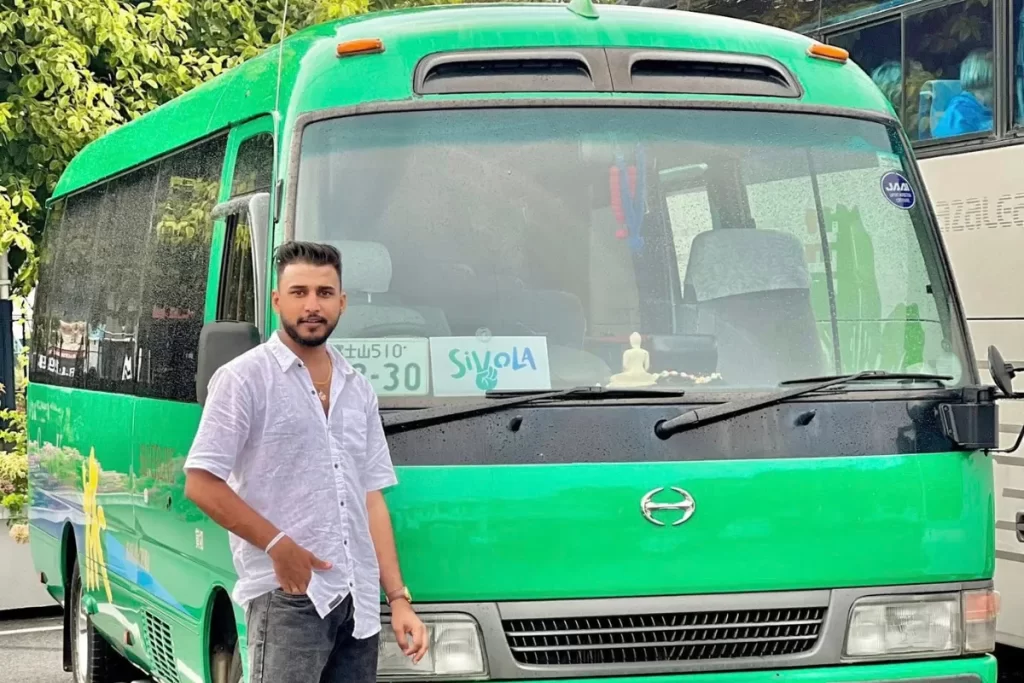
Air-conditioned, long-distance minibuses running highway routes like Colombo to Galle or Matara via the expressway. Guaranteed seating at a higher fare than a regular bus.
Lanka Metro Transit, Colombo's New Metro Bus
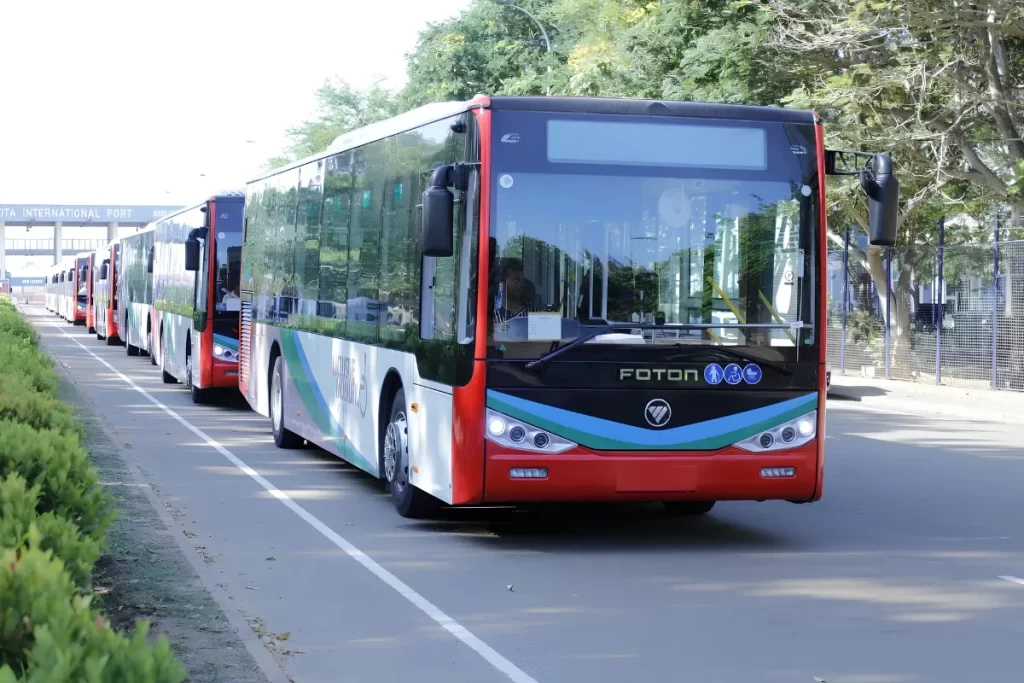
This is genuinely new, and worth knowing about if your trip starts or ends in Colombo. Lanka Metro Transit (LMT), a government-backed operator, launched its first air-conditioned Metro Bus routes in Colombo in 2026, connecting hubs like Makumbura Multimodal Centre, Colombo Fort and Pettah, and Kadawatha, with more routes added through the year across the Colombo metropolitan area. The buses are low-floor with wheelchair access, and fares are paid cashlessly through the LMT GO app via QR code or tap-and-go, with live bus tracking built in. For now, the network is focused on Colombo and its immediate suburbs rather than reaching Kandy or Galle, so treat it as a smart way to move around the capital, not a replacement for intercity trains or buses.
Intercity Highway Express Coaches
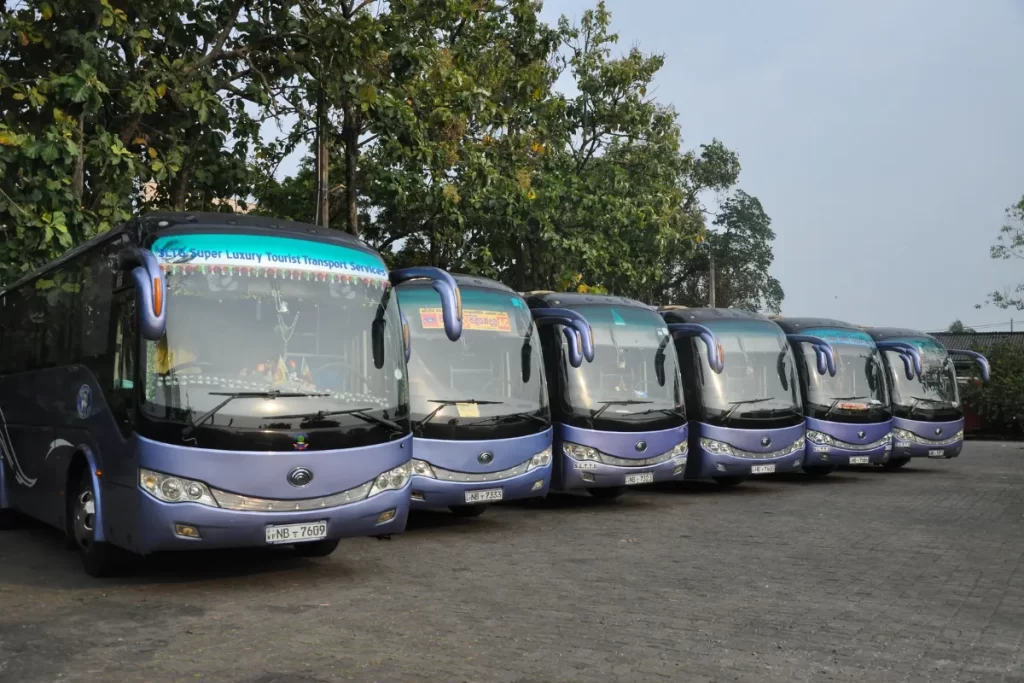
Point-to-point AC luxury coaches running on major expressways like the E01 Southern Expressway and E03 Katunayake Expressway, connecting Colombo and the airport to southern hubs like Galle, Matara, and Tangalle. Direct, fast, and a solid middle ground between a crowded bus and a private car.
A Note on Road Priority
On Sri Lankan roads, size tends to win. Buses, especially, dominate the road and will push smaller vehicles, tuk-tuks, and bikes toward the shoulder without much hesitation. It’s not aggression exactly, it’s just how traffic sorts itself out here, and it’s worth knowing before you’re the one driving a rented tuk-tuk toward an oncoming bus.
Tuk-Tuks: Flexible Short Rides

The obvious choice for city runs or short trips to the beach, temples, or train stations. They’re everywhere, and the open sides make even a short ride feel like part of the trip.
How to Pay
- In Colombo, most tuk-tuks run a digital meter, so ask for it.
- Outside Colombo, meters are rare. Agree on the fare before you get in.
- In Colombo, Kandy, and Galle, PickMe or Uber sidestep the haggling entirely.
- Carry small notes, 100s and 200s. Drivers genuinely often don’t have change for anything larger.
How to pay:
Renting your own tuk-tuk is a popular way to see the country at your own pace, but the legal side is stricter than people expect. The basic rental itself typically runs somewhere in the $14 to $28 per day range depending on the company and the tuk-tuk model. On top of that, you need a separate Sri Lankan Recognition Permit from the Automobile Association of Ceylon (AAC), which most rental companies can arrange for you, usually for around $40, on top of your own valid International Driving Permit. Skipping this isn’t a minor technicality: driving without it risks a police fine and voids your insurance entirely. Sort the paperwork out before you pick up the keys, not after.
Private Drivers and Rental Cars
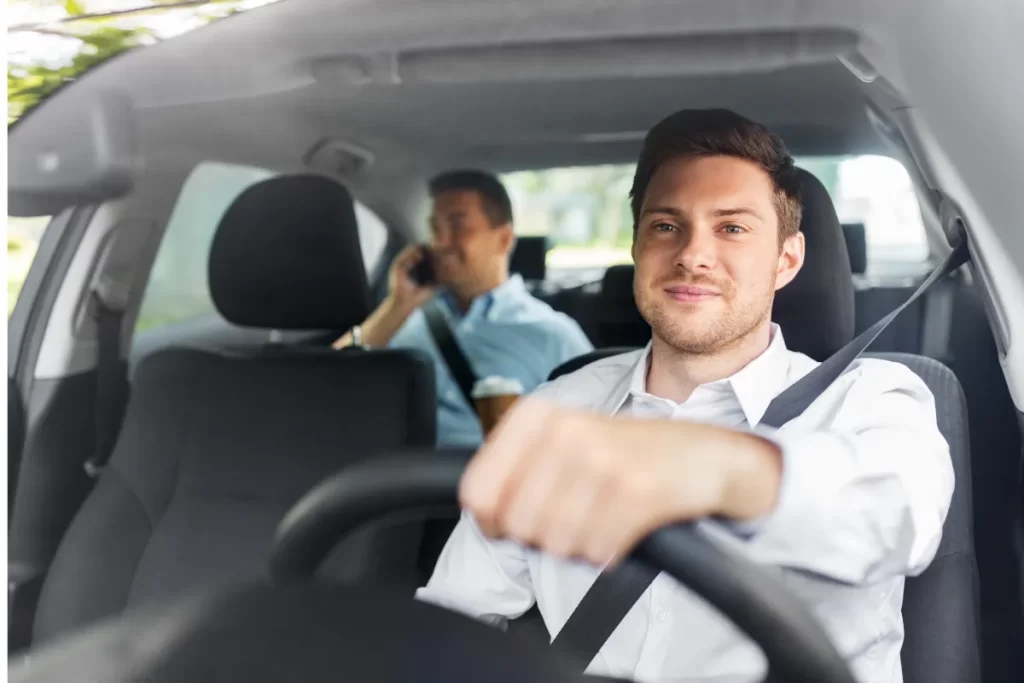
Why take one:
If you’re short on time, traveling with family, or covering multiple stops in a single day, a driver is worth the extra cost. It makes sense for long transfers like the airport to the hill country, for safaris or off-the-beaten-path stops, and for multi-day loops where public transport would eat up too much of your trip.
Vehicle Options
Standard sedans suit one to three passengers, with SUVs or minibuses available for bigger groups. Daily costs scale with vehicle size and route, so a quote for a sedan on a short hop won’t match a minibus on a multi-day loop.
A Few Things Worth Knowing About Drivers
High-end hotels often provide free quarters for your driver overnight. Budget and mid-range places sometimes charge extra for this, roughly 10 to 15 USD a night, which is worth asking about upfront rather than discovering at checkout. It’s also common for drivers to steer you toward specific spice gardens, gem shops, or restaurants where they earn a commission. That doesn’t make the recommendation bad, but it’s worth knowing the incentive exists, especially if a stop feels oddly insistent.
Ride-Hailing Apps and Taxis

PickMe is the leading local app for tuk-tuks, cars, and bikes across the country, while Uber mainly operates in Colombo and a handful of other major urban centers. Outside those areas, coverage thins out fast, so you’ll fall back on street taxis or hotel-arranged transfers. Worth knowing: drivers often prefer cash over the in-app payment, since app payouts can be delayed on their end. Confirm the meter is running, or agree on a fixed price before you set off.
Domestic Air Travel
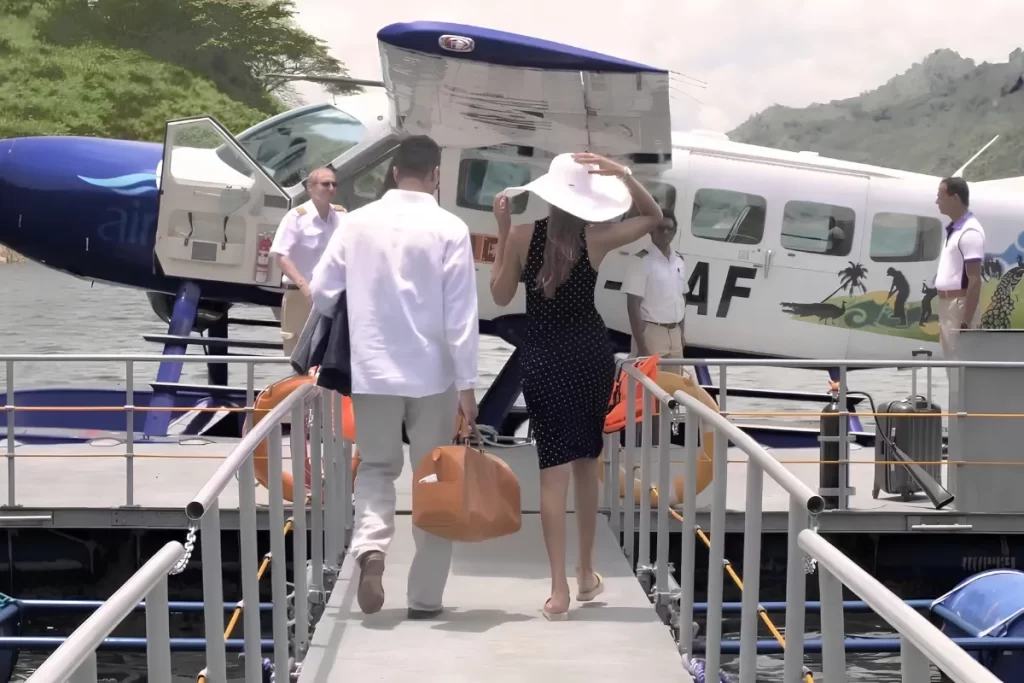
For genuinely long transfers, Cinnamon Air runs scheduled and charter flights from Colombo and Katunayake to destinations like Sigiriya, Batticaloa, and Trincomalee. It cuts what would be a five to seven hour overland transit down to under an hour in the air, at a real cost premium compared to ground transport. It’s not for most trips, but if your schedule is tight or you’re trying to reach the east coast without burning a full day on the road, it’s worth pricing out.
Key Journey and Road Considerations
Plan by Time, Not Distance
A short distance on the map can still be a long journey on the ground. Winding mountain roads, traffic congestion, and local speed limits all distort the relationship between kilometers and hours, especially in the hill country. Build your itinerary around realistic travel times, not the number on a map.
Monsoon Road Hazards
Heavy rain during the monsoon seasons can cause local flooding, deep potholes, or washed-out sections of road, particularly in rural and hill areas. A private driver or a train is the safer choice during a storm, since both are better equipped to handle or simply avoid the worst-affected roads than you would be on a rented bike or tuk-tuk.
Putting It All Together: A Sample Travel Flow

- Coast first: Colombo to Galle by train for the sea views.
- Wildlife: From Galle, a car or bus to Udawalawe or Yala for a safari.
- Hill country: Road to Ella, then the train through tea fields to Kandy.
- Back to the city: An express bus or private car back to Colombo.
This loop mixes trains, road, and short tuk-tuk hops, letting each mode do what it’s actually good at.
Safety, Language, and Comfort
- English: Common at big stations, less so in rural stops. Simple phrases and a smile go a long way.
- Upgrades: Sometimes a ticket upgrade is possible on the day, but treat it as luck, not something to plan around.
- Crowds: Weekends and holidays are the busiest. Travel on weekdays if you’d rather have some space.
- Luggage: Keep it compact. Both trains and buses have limited rack space.
Final Word: Choose Your Pace
Sri Lanka doesn’t ask you to pick one way of getting around. If you want scenic and slow, take the train. If you’re rushing to the next beach, grab a bus. If you want ease, hire a driver, and if a transfer is eating a whole day, look at a domestic flight instead. Mixing modes isn’t a compromise here, it’s really the best way to see the country, since each type of ride, whether that’s leaning out of a carriage door or negotiating a tuk-tuk fare, adds something different to the trip.
FAQs About Getting Around Sri Lanka
What is the best way to travel around Sri Lanka?
It depends on your priorities. For scenic views, take the train, especially Kandy to Ella. For speed and budget, choose buses, including Colombo’s new Metro Bus routes if you’re staying in the capital. For flexibility and comfort, hire a private driver or car. Most travelers mix all three depending on the leg of the trip.
Are trains in Sri Lanka safe and reliable?
How can I book train tickets in Sri Lanka?
Reserved seats can be booked online up to 30 days ahead through Sri Lanka Railways or a private booking platform, or in person at Colombo Fort’s reservation office, generally known as Counter 17. Unreserved tickets are always available on the day, but expect crowds.
Are tuk-tuks safe for tourists?
Yes, and they’re extremely common. Ask for the meter in Colombo, or agree on a price first elsewhere. In Colombo, Kandy, and Galle, PickMe and Uber are the easiest way to avoid overcharging entirely.
Can tourists legally drive their own tuk-tuk in Sri Lanka?
Yes, with the right paperwork. You need a valid International Driving Permit from your home country plus a Sri Lankan Recognition Permit issued by the Automobile Association of Ceylon, which most rental companies can arrange for a fee. Driving without it risks a fine and voids your insurance.
What's new about Colombo's Metro Bus service?
Lanka Metro Transit launched modern, air-conditioned Metro Bus routes across Colombo in 2026, with low-floor wheelchair access and cashless QR payment through the LMT GO app. It currently covers Colombo and its suburbs, not intercity routes to Kandy or Galle.
How much does a tuk-tuk ride cost?
Short city rides usually run about 300 to 800 LKR, roughly $1 to $3. Longer rides and airport transfers cost more. Carry small notes, since many drivers won’t have change for larger bills.
Is it expensive to hire a private driver in Sri Lanka?
Not compared to Western prices. A private car with driver typically runs 15,000 to 25,000 LKR, roughly $45 to $75, per day including fuel. It’s a strong option for multi-stop trips or family travel.
Do ride-hailing apps like Uber work in Sri Lanka?
Yes, in Colombo and a few major cities, both Uber and PickMe work for cars and tuk-tuks. Outside the main towns, coverage is limited, so you’ll rely on street taxis or hotel-arranged rides instead.
Are domestic flights worth it?
For most itineraries, no, since you’d miss the scenery that makes overland travel here worthwhile. For a long transfer like Colombo to Trincomalee under real time pressure, Cinnamon Air can cut hours off the trip at a real cost premium.
Is public transport suitable for solo travelers or women?
Yes. Sri Lanka is generally welcoming and safe for solo travelers. Favor daytime routes, reserved train compartments, and trusted ride-hailing apps for extra peace of mind.
What's the most scenic train journey in Sri Lanka?
The Kandy to Ella route through the hill country is the famous one, with misty tea plantations, waterfalls, and mountain tunnels. The Colombo to Galle coastal line and the Badulla to Nanu Oya stretch are both worth it too.

1 Comment