A note before you read on: This article is for general travel planning and is not medical advice. Ayurvedic treatments, especially intensive programs like Panchakarma, can involve strict diets, herbal preparations, and procedures like enemas or oil therapies that aren’t suitable for everyone, including pregnant travelers, people with certain chronic conditions, and anyone on regular medication. Talk to your own doctor before booking an intensive program, and be upfront with the retreat’s physician about your full health history during the opening consultation.
Ayurveda is woven into daily life in Sri Lanka in a way that’s hard to find anywhere else, you’ll see roadside herbal pharmacies next to pharmacies selling conventional medicine, and many Sri Lankans move between the two systems without much thought. It’s often described as a 3,000 to 5,000-year-old healing tradition, though the exact age is genuinely hard to pin down since much of it was passed down orally before being written into texts over the following centuries. What’s not in dispute is that Sri Lanka has built some of the most respected Ayurveda retreats in the world, from clinical, doctor-led detox centers that have been operating for decades to newer wellness resorts that blend the tradition with five-star comfort. This guide covers the best of both, what treatments actually involve, how long you should plan to stay, and what it costs.
What Makes Ayurveda in Sri Lanka Special?

Sri Lankan Ayurveda follows the same core framework as its Indian counterpart, balancing the three doshas, Vata, Pitta, and Kapha, through diet, herbal medicine, and bodywork, but it’s developed its own regional character over centuries, shaped by the island’s own plants, climate, and Buddhist monastic medical traditions. At a genuine retreat, your stay starts with a consultation with a certified Ayurvedic physician, who takes a pulse reading and health history to design a treatment plan specific to you, rather than a generic spa menu.
The core treatments you’ll encounter include:
- Panchakarma: A structured, multi-stage detoxification program, the most intensive and most clinically supervised of the Ayurvedic therapies.
- Abhyanga: A synchronized, four-handed oil massage performed by two therapists working in rhythm.
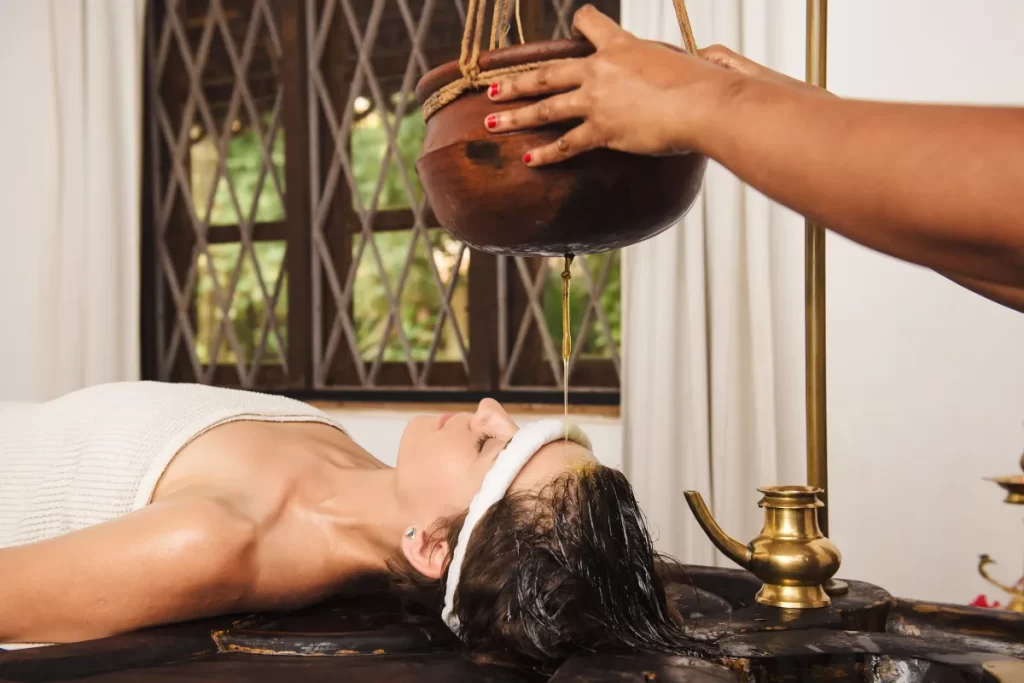
- Shirodhara: A continuous, slow stream of warm herbal oil poured over the forehead, used for stress, sleep, and nervous system complaints.
- Vasthi: Herbal enemas used as part of deeper Panchakarma protocols, administered under medical supervision.
- Herbal steam baths: Used alongside massage to help the body absorb the oils and herbs applied during treatment.
Meals follow sattvic, plant-based principles suited to your dosha, think fresh red rice, coconut sambol, dhal curries, and herbal infusions rather than a standard restaurant menu, and at the more clinical retreats, coffee, alcohol, and processed food are off the table entirely for the length of your stay.
Ayurveda Retreat vs. Ayurveda Hotel: Know the Difference Before You Book
Not every property that mentions Ayurveda on its website is running the same kind of program, and the distinction matters for what you should expect and how much supervision you’ll actually get.
| Feature | Authentic Ayurveda Retreat | Ayurveda Hotel / Resort |
|---|---|---|
| Treatment purpose | Targeted healing, chronic condition management, deep Panchakarma detox | General relaxation, stress relief, optional spa add-ons |
| Medical supervision | In-depth opening consultation, pulse diagnosis, daily doctor check-ins | On-demand therapist treatments, no mandatory doctor oversight |
| Dietary discipline | Strict dosha-aligned, sattvic, plant-based meals at fixed hours, no alcohol or coffee | Flexible dining, Ayurvedic options alongside a regular menu and bar |
| Spiritual rhythms | Daily yoga, pranayama, meditation, workshops built into the schedule | Optional classes around a normal holiday schedule |
| Length of stay | 7 to 21+ structured nights | 1 night to a week, flexible |
| Environment | Secluded nature reserves, quiet bays, mountain valleys | Coastal or urban resort settings with easy access to attractions |
Neither is wrong, it depends on whether you want a genuine medical program or a relaxing holiday with some Ayurvedic treatments mixed in. Just go in knowing which one you’re booking.
Where to Go: Best Ayurveda Retreats in Sri Lanka
Mountain and Jungle Sanctuaries
Santani Wellness (Kandy)
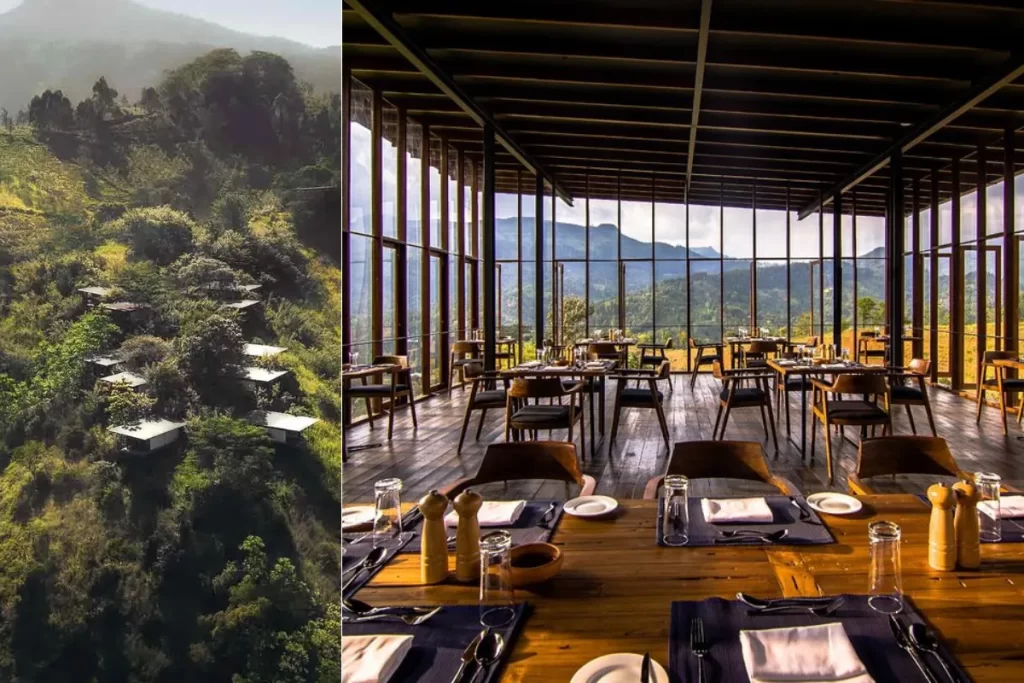
Santani Wellness (Kandy): Minimalist chalets set on a mountain ridge outside Kandy, deliberately built without televisions or air conditioning to push guests toward a digital detox. It’s genuinely well regarded, named Asia’s Best Wellness Retreat and featured in the 2025 Academy Awards gift bags, and its tri-level hillside spa with thermal salt baths and hydrotherapy circuits is one of the more striking wellness facilities on the island. The kitchen serves Rasa Haya cuisine, built around the six Ayurvedic tastes, sweet, sour, salty, pungent, bitter, and astringent. Programs run from 3-night introductory stays up to 10 to 14-night Panchakarma plans.
Ulpotha (Cultural Triangle)
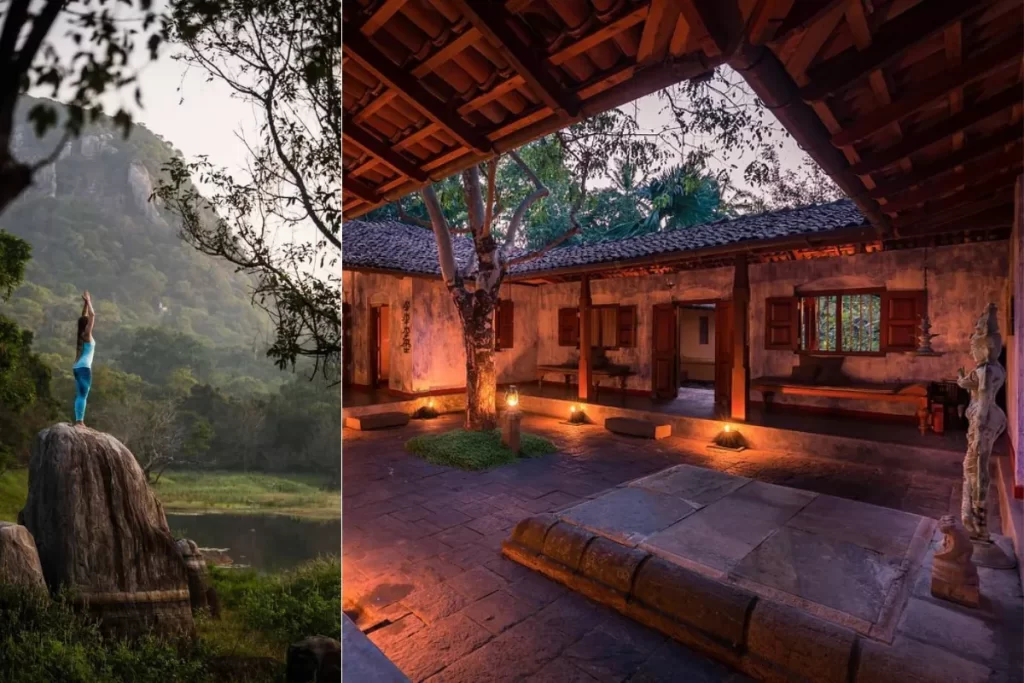
Ulpotha (Cultural Triangle): A genuinely off-grid experience, a seasonal retreat (open November to March and June to August) in a remote jungle village with no electricity or Wi-Fi. Guests stay in traditional mud huts, bathe in natural lakes, eat organic village meals, and practice yoga under visiting international teachers. This is the rustic end of the spectrum, worth knowing before you book if you were picturing a resort.
West Coast and Airport-Accessible Retreats
Barberyn Reef (Beruwala)
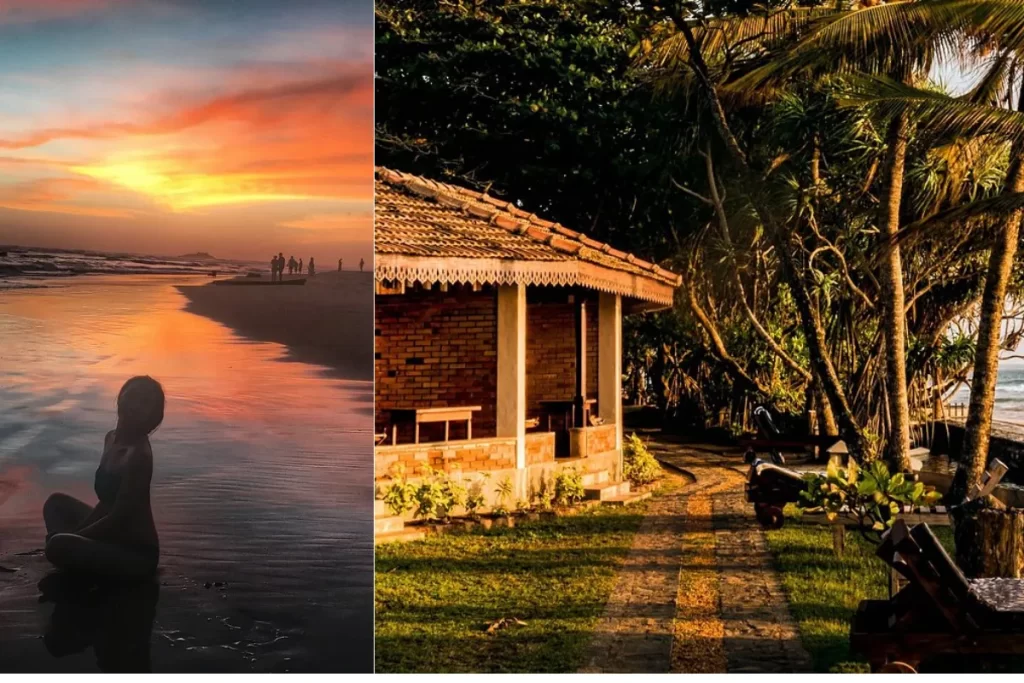
Barberyn Reef (Beruwala): The resort itself opened in 1968 as one of the south coast’s first tourist properties, and its founder set up a dedicated Ayurveda health center on-site in 1984, making it one of the earliest purpose-built Ayurveda resorts in the country, if not quite the 1968 date sometimes quoted. It’s run as a genuinely clinical operation, doctor pulse readings on arrival, daily physician check-ins, dosha-specific broths and curries, and educational lectures on the practice itself. Expect to commit 10 days to 3 weeks, this isn’t a short-stay property.
Heritance Ayurveda (Beruwala)
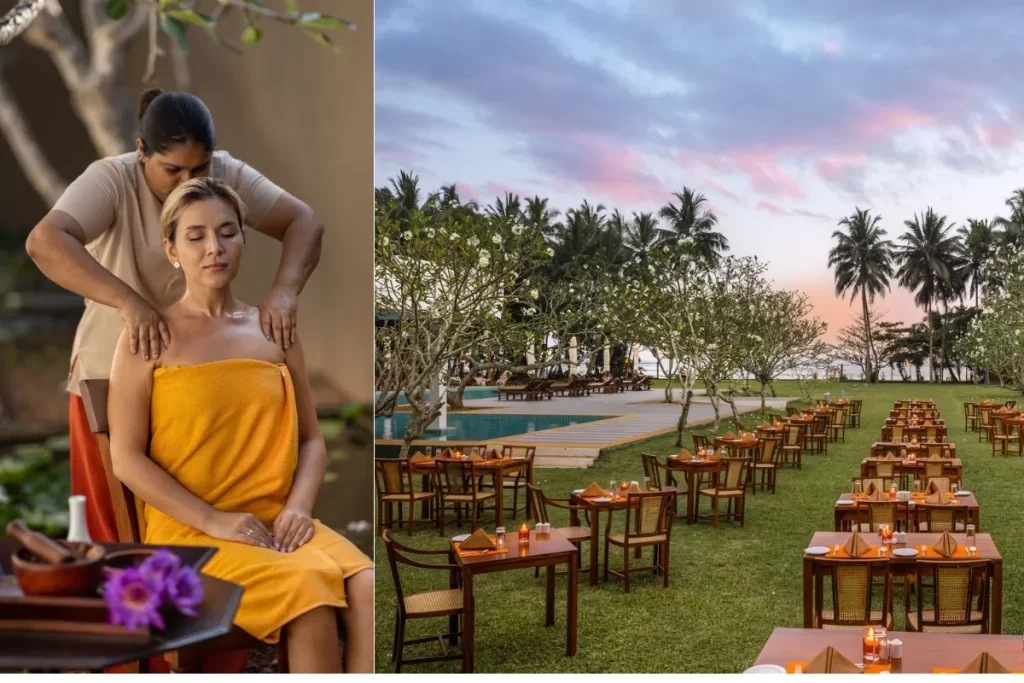
Heritance Ayurveda (Beruwala): Formerly known as Maha Gedara, this beachfront property structures each day around physician check-ins, herbal baths, steam treatments, and cooking demonstrations, with stays from 1 to 3 weeks.
Jetwing Ayurveda Pavilions (Negombo)
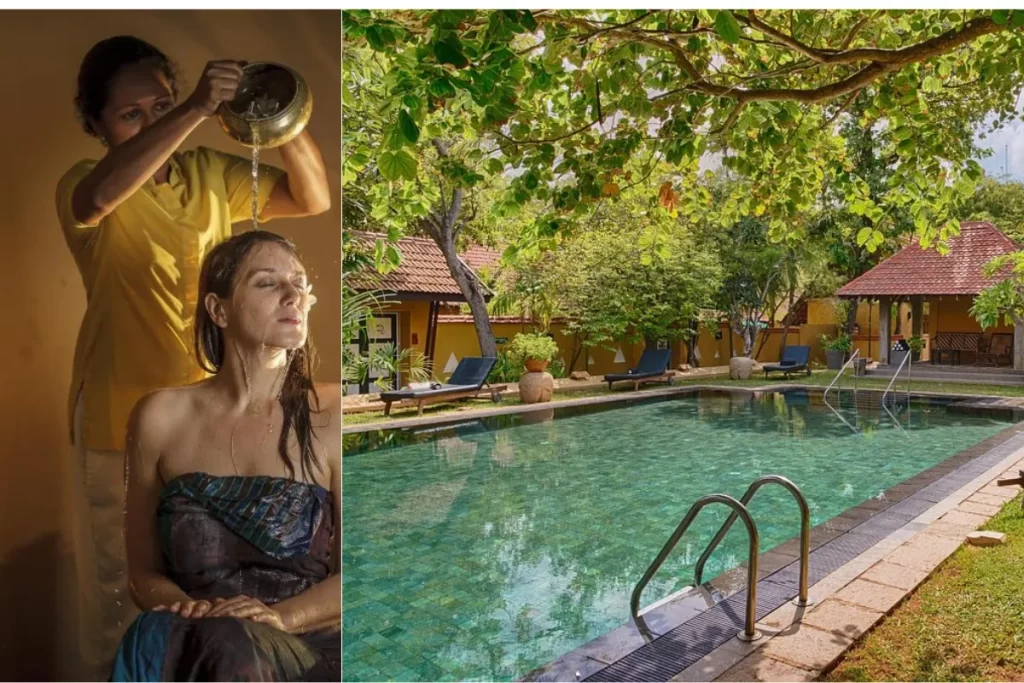
Jetwing Ayurveda Pavilions (Negombo): The most convenient option if your flights bookend your trip, it sits close to Bandaranaike International Airport and offers private pavilion-style villas suited to shorter, pre or post-travel resets rather than a multi-week commitment.
Siddhalepa Ayurveda Health Resort (Wadduwa)
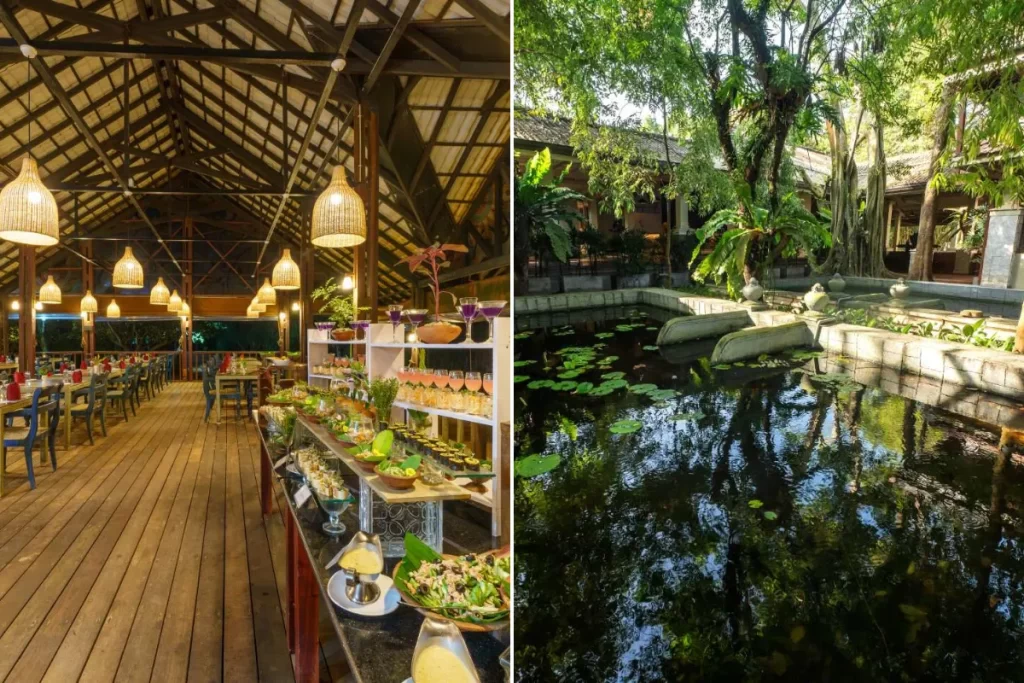
Siddhalepa Ayurveda Health Resort (Wadduwa): Run by the long-established Siddhalepa herbal brand, this coastal resort delivers mid-range, authentic treatment backed by its own in-house medical team, a good middle ground between the clinical intensity of Barberyn and a more relaxed resort experience.
Southern Coast Oceanfront Sanctuaries
Sen Wellness Sanctuary (Rekawa / Tangalle)
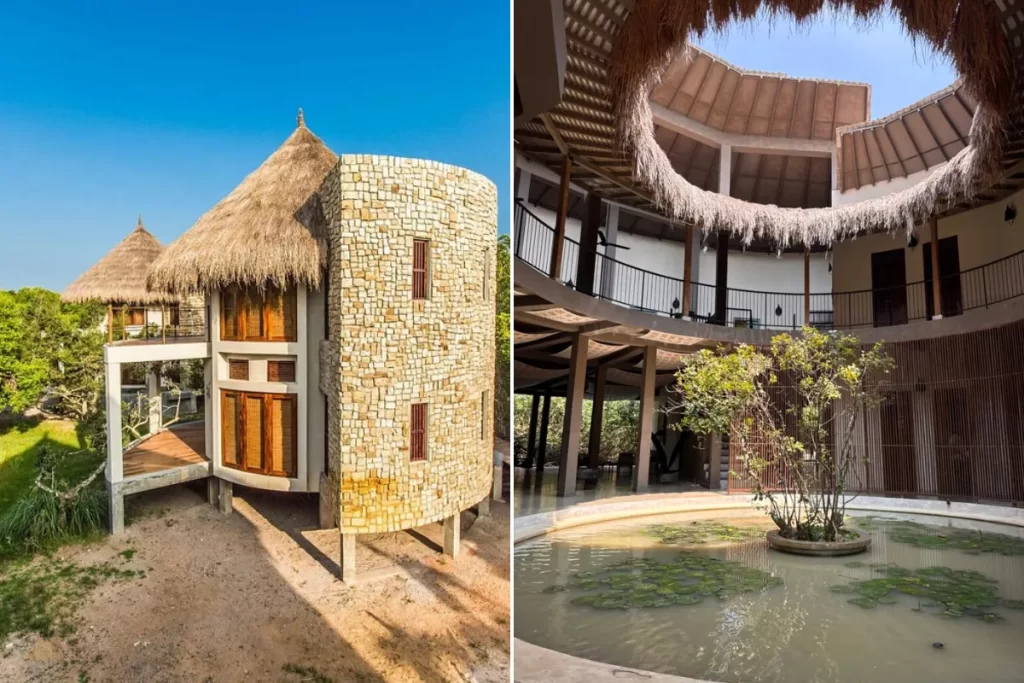
Sen Wellness Sanctuary (Rekawa / Tangalle): Set inside the Rekawa Nature Reserve, between a lagoon and a turtle-nesting beach, this is one of the more atmospheric settings on this list. It combines abhyanga, shirodhara, and plant-based meals with ocean-facing sun salutations and breathwork, plus seasonal 10-day founder-led Signature Retreats for travelers who want a deeper, more guided experience.
Rekawa Wellness Resort (Rekawa)
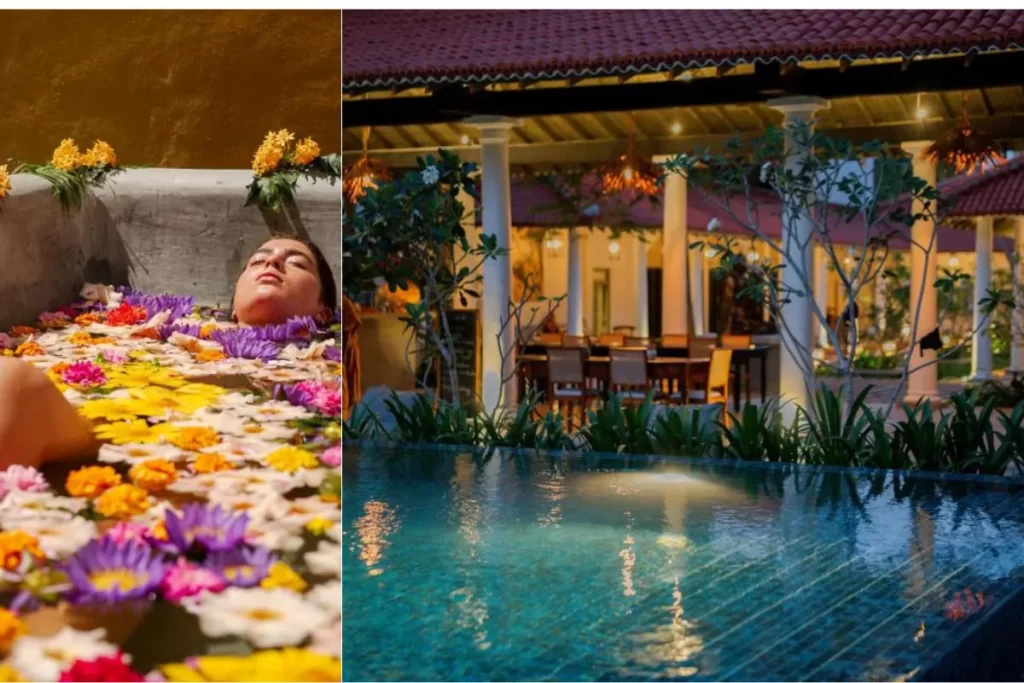
Rekawa Wellness Resort (Rekawa): Sen Wellness’s more flexible sister property, with residential stays from 1 to 14 days and day programs, plus access to an open yoga shala, a pool, and the same turtle-nesting beach, at a noticeably lower price point.
Surya Lanka Ayurveda Beach Resort (Talalla)
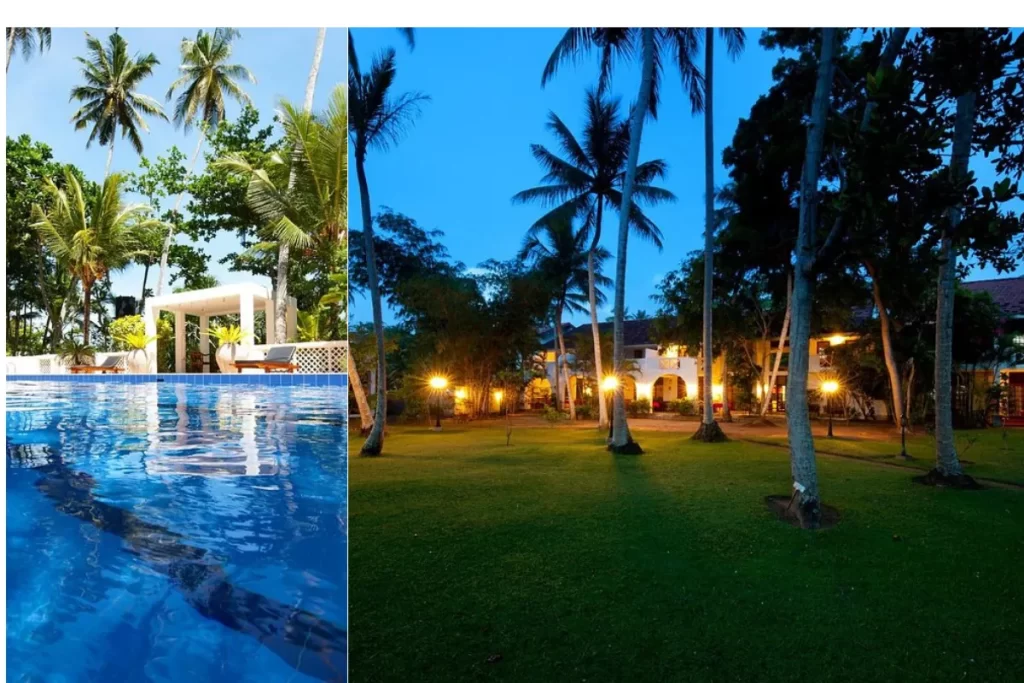
Surya Lanka Ayurveda Beach Resort (Talalla): Operating on Talalla Bay since 1995, this is a Panchakarma specialist with its own on-site pharmacy and three intensity tiers, Light, Intensive, and Healing. Recommended stays run 2 to 3 weeks or longer for the full protocol.
Anantara Peace Haven Tangalle Resort (Tangalle)
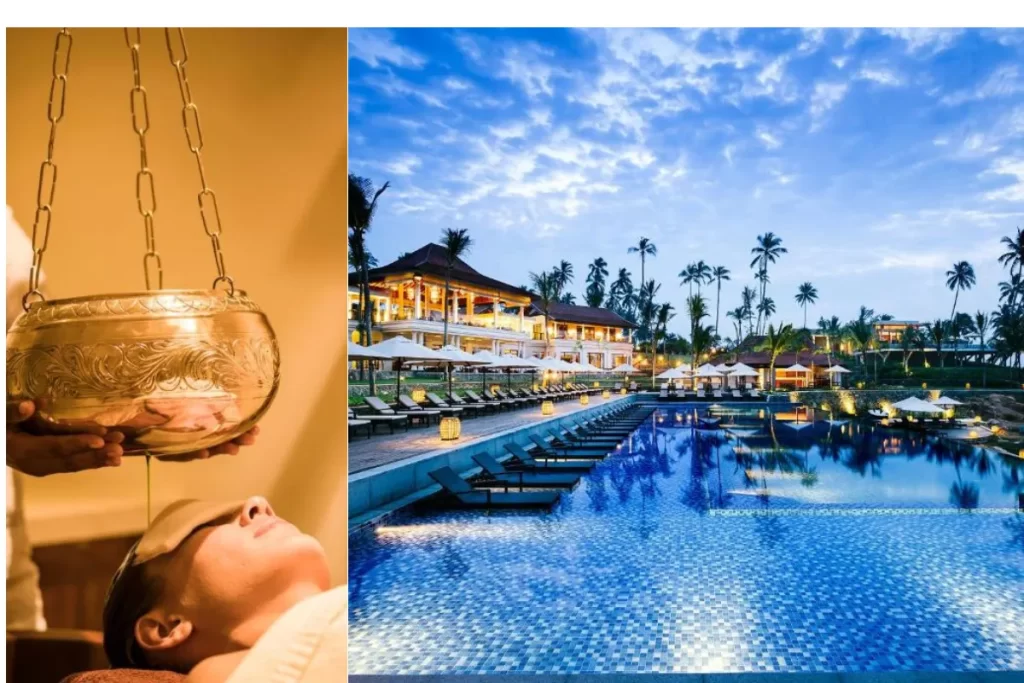
Anantara Peace Haven Tangalle Resort (Tangalle): The luxury option on the south coast, a five-star oceanfront resort on a coconut plantation offering 3, 5, and 7-day doctor-guided wellness resets alongside herbal workshops, cliffside spa treatments, and a genuinely broad dining program, good if you want the Ayurvedic framework without giving up resort comforts entirely.
Barberyn Beach Ayurveda Resort (Weligama)
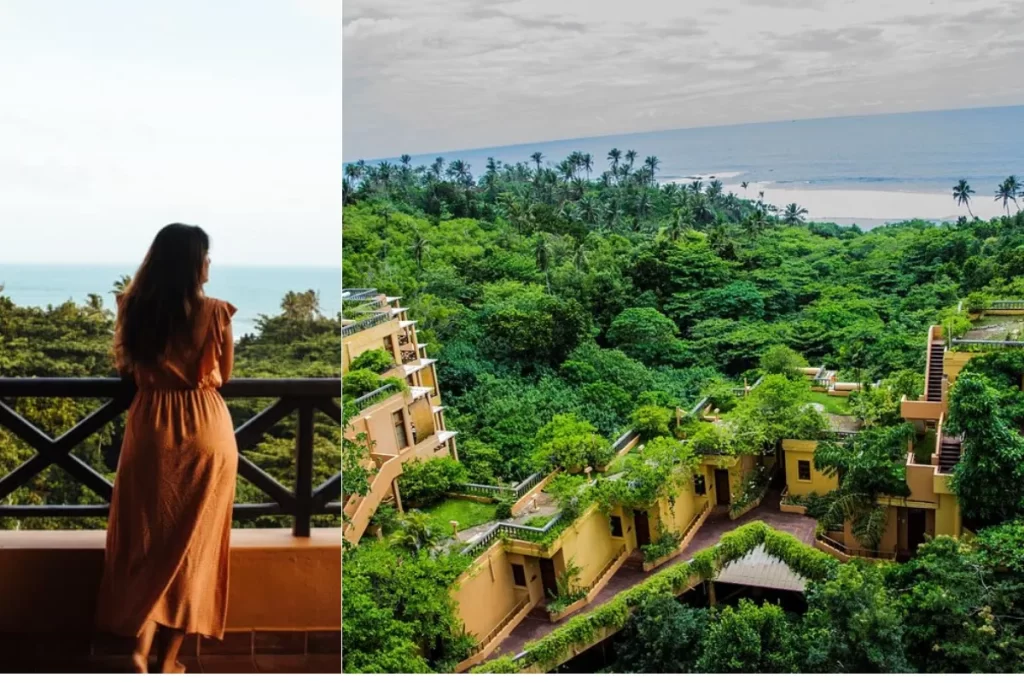
Barberyn Beach Ayurveda Resort (Weligama): A family-run sister property to Barberyn Reef and a certified Ayurveda hospital in its own right, with the same digital-detox philosophy, no TVs or radios in the treatment rooms.
Talalla Retreat (Talalla)
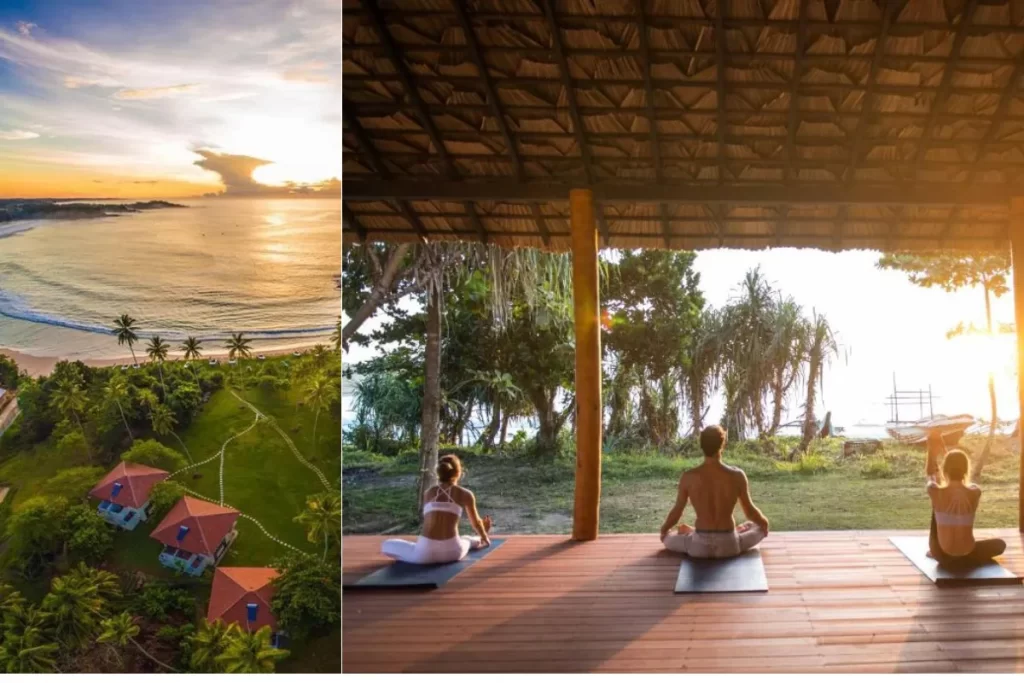
Talalla Retreat (Talalla): The most casual property on this list, an open-air, beachfront space built more around yoga and surf than clinical Ayurveda, with ocean-view yoga shalas, surf lessons, massage therapy, and lighter detox packages for travelers who want wellness without the full structured program.
Cultural Triangle Inland Sanctuaries
Ayurvie Sigiriya
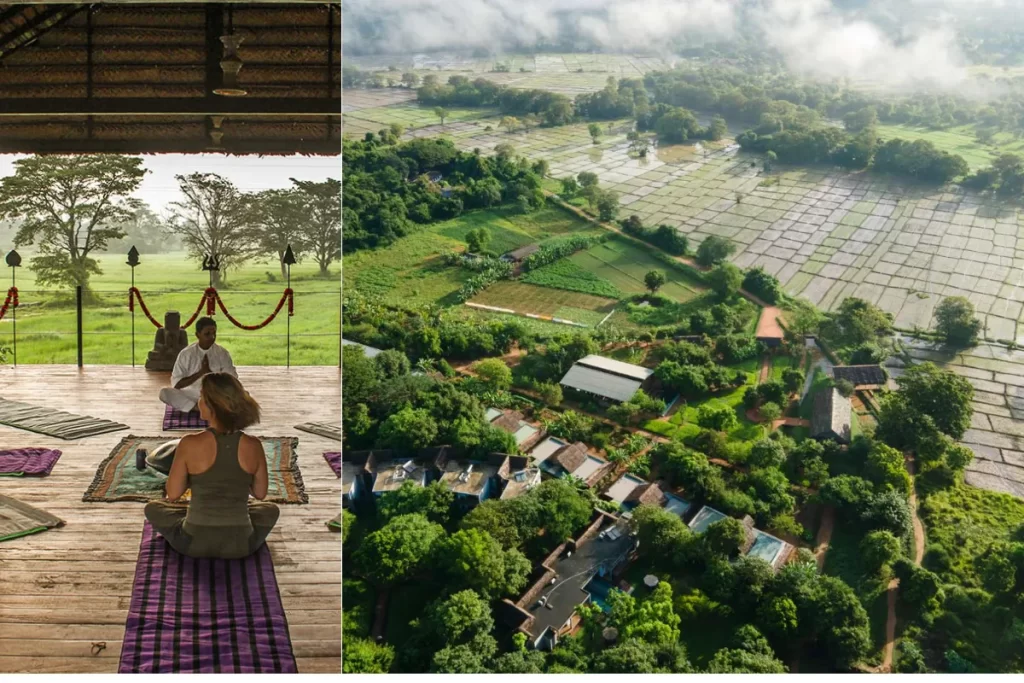
Ayurvie Sigiriya: A small, boutique retreat set in paddy fields facing Sigiriya’s Lion Rock, with sattvic dining built around local farm produce and stays from 5 to 14-plus nights.
Amuna Wellness and Ayurveda Retreat (Sigiriya)
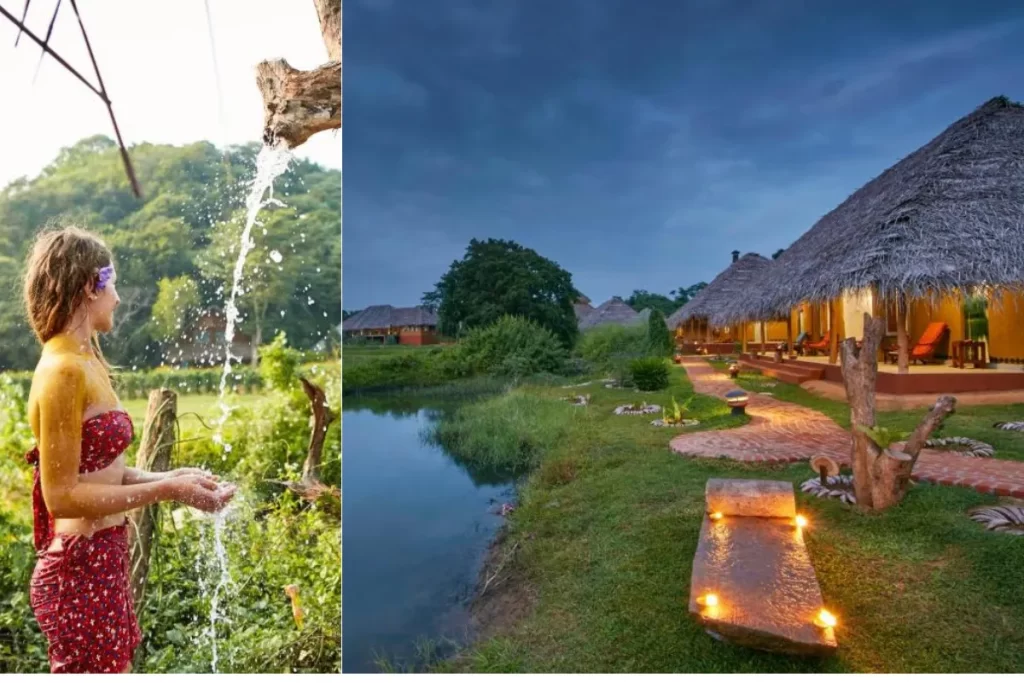
Amuna Wellness and Ayurveda Retreat (Sigiriya): Positioned between Dambulla and Sigiriya, with naturally cooled clay-tile villas and treehouses, and ingredients like turmeric, gotu kola, and papaya grown on-site for meals and herbal decoctions.
Water Garden Sigiriya
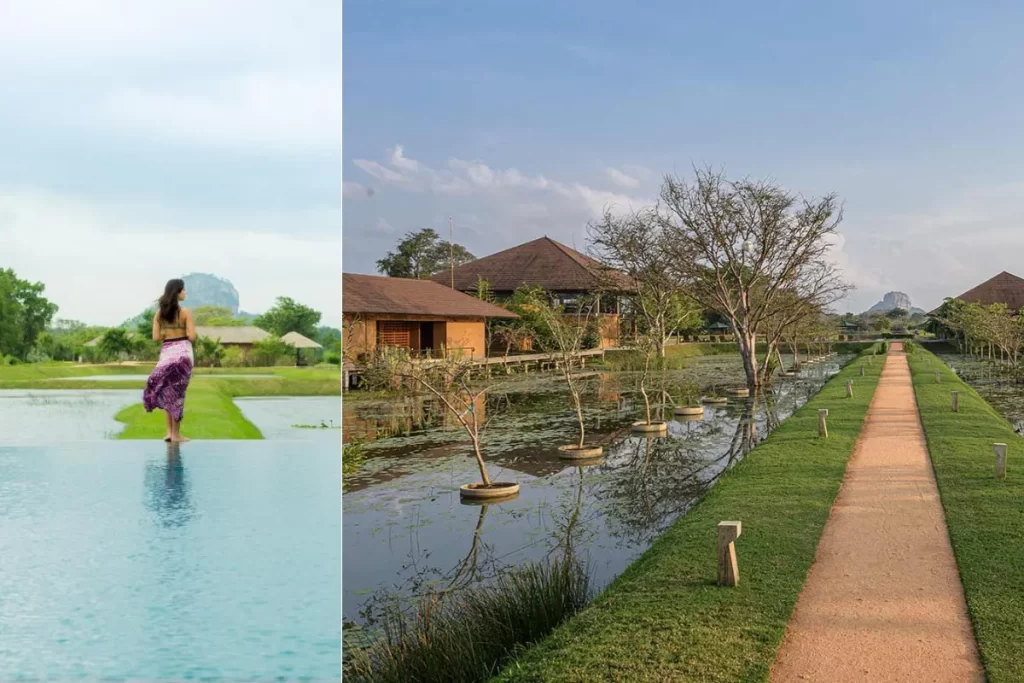
Water Garden Sigiriya: Thirty free-standing villas built directly over waterways near Sigiriya Rock, offering Balinese massage alongside its wellness treatments, a good pick if you want Ayurveda-adjacent relaxation without a fully clinical program.
How Long Should You Stay?

This is the question worth taking seriously before you book, because it genuinely shapes what you’ll get out of the trip.
- 3 to 5 nights (short reset): Good for stress relief, a light detox, or simply trying Ayurveda for the first time. Santani, Anantara, and Jetwing all run solid programs at this length.
- 7 to 14 nights (core detox and rejuvenation): The recommended window for addressing burnout, digestive issues, or a genuine weight-management reset. Sen Wellness, Amuna, and Ayurvie are built around this range.
- 14 to 21-plus nights (classical Panchakarma): What’s actually required for deep physiological detox and chronic condition protocols, this is the clinical end of the spectrum, offered at places like Barberyn and Surya Lanka.
Costs and Budgeting
| Tier | Approximate Cost per Day | What’s Included |
|---|---|---|
| Budget yoga guesthouses | $30 to $60 | Accommodation only, meals and classes charged separately |
| Mid-range all-inclusive retreats | $80 to $150 | Accommodation, dosha-specific meals, daily yoga, doctor treatments |
| Luxury all-inclusive retreats | $200 to $400+ | 5-star accommodation, private consultations, customized dining, comprehensive therapies |
These are general industry ranges rather than quotes from any single property, actual pricing varies by season, room category, and how intensive your treatment plan is, so always confirm directly with the retreat before booking.
Best Time to Visit, by Region
Sri Lanka’s two monsoon systems mean the best time to visit depends on which coast or region your retreat is on:
- West and south coasts (Beruwala, Rekawa, Talalla, Tangalle, Weligama): Driest weather and calmest seas run November or December through March or April.
- Cultural Triangle (Sigiriya, Dambulla): Dry and pleasant from December through April.
- Central Highlands (Kandy, Santani): Clearest weather December to March. The monsoon months, May to September, bring more mist and quiet, which some travelers actually prefer for a retreat setting, fewer crowds and a genuinely introspective atmosphere.
Tips for Choosing the Right Retreat
Be honest with yourself about what you actually want. If you have a specific health concern, chronic condition, or you’re on regular medication, look for a retreat with daily physician oversight, Barberyn, Surya Lanka, and Heritance all run genuinely clinical programs, and tell the doctor everything during your opening consultation rather than leaving anything out. If you mainly want to relax with some wellness treatments folded in, a resort-style property like Anantara or Water Garden Sigiriya will suit you better than a strict, no-coffee, no-alcohol clinical program you’ll end up fighting against for two weeks. And if budget and time are tight, a 3 to 5-night introduction at a place like Santani or Jetwing is a reasonable way to find out whether the longer, more intensive route is something you’d actually want to commit to.
Frequently Asked Questions
What is Ayurveda, and why is it popular in Sri Lanka?
Ayurveda is an ancient healing system that focuses on balancing body, mind, and spirit through natural treatments, diet, and lifestyle. In Sri Lanka, it’s part of the island’s cultural heritage, supported by local herbal knowledge and certified Ayurvedic doctors. Many travelers visit the country specifically for authentic and holistic healing.
Do I need prior experience with Ayurveda to join a retreat?
No. Most retreats, including the clinical ones, are set up to explain each step to first-timers, and your opening consultation is where any questions get answered before treatment starts.
Can Ayurveda retreats help with specific health conditions?
Some programs are designed around issues like stress, sleep, skin conditions, or digestion, but this is not a substitute for medical care. Discuss any existing condition with your own doctor first, and be fully honest with the retreat’s physician during your consultation, including any medications you’re taking.
What should I pack for an Ayurveda retreat?
Light, loose cotton clothing, swimwear if you’re near the coast, comfortable sandals, and a reusable water bottle. Oils, teas, and treatment essentials are generally provided by the retreat itself.
Is English widely spoken at retreats?
Yes, at the established properties. Most doctors and staff speak English, and some of the larger retreats also have German, French, or Russian speakers on hand.
Can I combine Ayurveda with sightseeing?
At shorter, less intensive stays, yes. A full Panchakarma program is a different story, the diet and treatment schedule are demanding enough that most retreats discourage side trips mid-program. Plan sightseeing before or after rather than during.
Are Ayurvedic treatments safe for everyone?
Not automatically. People with chronic health conditions, who are pregnant, or who are on regular medication should talk to their own doctor before booking, and must tell the retreat’s physician during the opening consultation. A reputable retreat will adjust or decline treatments that aren’t appropriate for you rather than push ahead regardless.
Do retreats serve only vegetarian food?
Most serve vegetarian or fully plant-based meals tailored to your dosha, usually lightly spiced rather than the heavier flavors you’ll find at a standard restaurant. Clinical retreats typically rule out alcohol, coffee, and processed food entirely for the length of your stay.