Most people who visit Sri Lanka spend ten days rushing between temples, beaches, and hill towns, ticking off a checklist before flying home. But a growing number of travelers, remote workers, and slow explorers are doing something different. They are picking one or two bases, unpacking properly, and actually living here for a month or more.
It makes sense. The cost of living is low, the food is genuinely good, the people are warm, and the island packs an extraordinary variety of landscapes into a landmass smaller than Ireland. A long stay in Sri Lanka feels less like an extended holiday and more like a lifestyle choice.
This guide is built specifically for that kind of traveler. Whether you are working remotely, taking a gap year, or simply slowing down after years of rushing, here is everything you need to choose the right base, sort out your visa, and settle in comfortably.
The Visa Situation: How Long Can You Actually Stay?

Before falling in love with a beach town or booking a monthly villa, it helps to understand the visa rules.
Most nationalities enter on an Electronic Travel Authorization (ETA), which grants an initial 30-day stay. The good news is that Sri Lanka has one of the more flexible extension systems in Southeast Asia. Visitors can extend their stay through the Department of Immigration, adding 60 days, then another 90 days, and a further 90 days after that. In total, a single entry tourist visa can be stretched to 270 days legally, without leaving the country.
For 2026, there is also a significant new option worth knowing about. Sri Lanka officially launched its Digital Nomad Visa in early 2026, giving remote workers and freelancers a dedicated pathway to live and work legally on the island. This visa is tailored for people earning income from overseas and removes the grey area that previously came with working remotely on a tourist visa.
All visa applications and extensions can be handled through the official immigration portal at eservices.immigration.gov.lk.
Top Beach Towns for Long Stays
The south and southwest coasts are where most long-term travelers end up, and for good reason. The infrastructure is set up for it: monthly rentals are easy to find, the surf culture attracts a steady international crowd, and the pace of life is easy to fall into.
Weligama and Mirissa

These two towns sit roughly five kilometers apart on the south coast, and they attract different crowds despite being close neighbors.
Weligama is the better pick for digital nomads and beginner surfers. The main beach has a long, forgiving break that surf schools have built their reputations around. The town itself has grown up around its international community, with co-working cafes, fast enough Wi-Fi for video calls, and a reliable supply of beach restaurants and juice bars. Ceylon Sliders is one of the most referenced co-working and surf spots in the area, popular with nomads who want a desk in the morning and a wave in the afternoon.
Monthly villa rentals in Weligama are widely available if you walk around and ask locally rather than booking through platforms. The cash rate is almost always cheaper.

Mirissa has a different energy. The beach is more curved, more photogenic, and the evenings lean toward socializing rather than early nights. It draws a crowd that is slightly older than the backpacker circuit but not yet the couples-retreat demographic. Whale watching season runs from November to April, and boat trips leave from Mirissa harbor, which adds a nice anchor activity for weekends.
Best for: Beginner surfers, remote workers, social travelers who want reliable infrastructure.
Hiriketiya

Hiriketiya has changed quickly over the last few years. What used to be a quiet cove known mostly by surfers has turned into one of the most visually striking spots on the south coast. The bay is small and horseshoe-shaped, surrounded by jungle, and the cafe and accommodation scene has grown to match its Instagram reputation.
It is expensive than Weligama, partly because of its popularity and partly because the accommodation options lean boutique rather than budget. The crowd here tends to be creatives, yogis, and travelers who care about aesthetics as much as surf. Monthly rentals exist but require more effort to find.
Best for: Creatives, yoga enthusiasts, experienced surfers, travelers who prioritize environment over cost.
For a deeper look at the town, [read our Hiriketiya travel guide here].
Unawatuna and Hikkaduwa
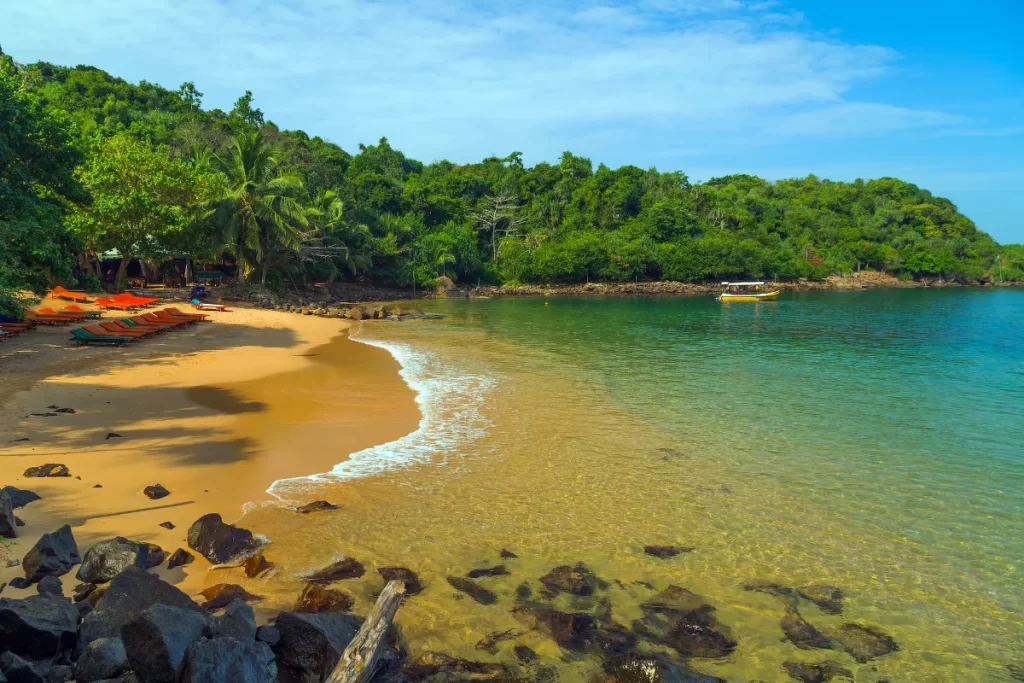
These two spots sit further up the south coast toward Galle and serve slightly different purposes for long-term visitors.
Unawatuna has a sheltered bay, a high density of restaurants, and a relaxed shopping strip along the main road. It feels more settled than Mirissa, better suited to travelers who want a beach base with easy access to Galle Fort for culture, errands, and good coffee. The nightlife is mild but consistent.

Hikkaduwa is louder. It has a long beach road lined with guesthouses and restaurants, a reef suitable for snorkeling and beginner diving, and a nightlife scene that runs later than anywhere else on the south coast. DJ sets and beach parties are a regular feature, particularly around the full moon. It suits travelers who want a social base and do not mind the commercial feel.
Best for: Unawatuna works for culture-adjacent beach living. Hikkaduwa works for high-energy, social stays.
For full guides, [read our Unawatuna article here] and [our Hikkaduwa article here].
Arugam Bay

Arugam Bay sits on the east coast and operates on its own seasonal calendar. The best time to base yourself here is May to September, when the swells arrive from the Indian Ocean and the bay comes alive with surfers from around the world.
Outside of season, it is quiet to the point of being empty. But during peak months, it becomes one of the most concentrated surf communities in Asia. The point break at the main bay is world-class, and the surrounding area has several other breaks suited to different ability levels.
The town has a loose, unhurried feel. Accommodation is basic but affordable, the food scene runs heavily on fresh seafood and rice and curry, and the general vibe is unpretentious in a way that more developed surf towns sometimes lose.
Best for: Experienced surfers, seasonal visitors, travelers who want authenticity over comfort.
Best City and Cultural Bases
Not every long-term traveler wants sand and surf as their daily backdrop. Sri Lanka’s cities offer a completely different kind of long stay, with better infrastructure, faster internet, and a cultural depth that beach towns cannot match.
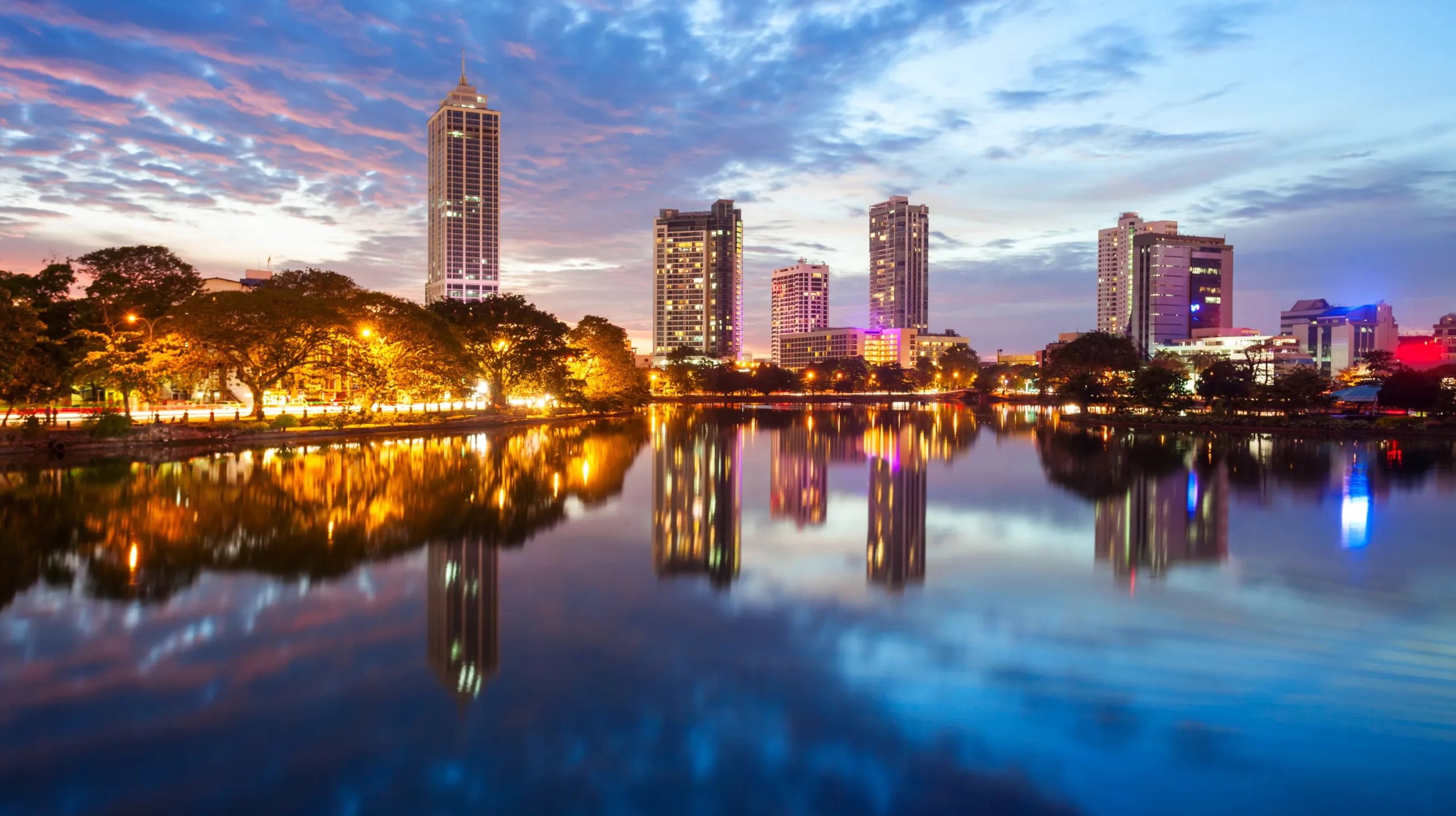
Colombo

Colombo gets dismissed too easily. The common travel advice is to pass through quickly and move on, but that advice is written for tourists on a short trip, not people planning a month-long stay.
For long-term visitors, Colombo makes a lot of sense as a first base. The neighborhoods of Fort and Colpetty (locally called ,Kollupitiya) each have a distinct character, and between them they cover most of what someone setting up for a month would need. Fiber internet is widely available, co-working spaces have multiplied in recent years, and the gym, pharmacy, and grocery options are genuinely urban.
The city also has a food scene that goes well beyond rice and curry. Rooftop bars, specialty coffee shops, and restaurants covering cuisine from across Asia sit alongside excellent local spots. Getting around is easy using PickMe or Uber, both of which operate reliably across the city.
From a practical standpoint, Colombo is also the right place to handle administrative tasks: SIM card setup, visa extension appointments, banking, and anything else that benefits from being in a proper city.
Best for: Remote workers, first-time visitors to Sri Lanka, anyone who wants urban infrastructure with a tropical setting.
Galle Fort

Galle Fort is a UNESCO World Heritage Site that has quietly become one of the most livable spots in Sri Lanka for a certain kind of traveler. The Dutch colonial architecture, the ocean breeze, the boutique hotels inside the fort walls, and the concentration of good cafes and restaurants create an environment that feels genuinely unlike anywhere else on the island.
It is not cheap by Sri Lanka standards. The fort has attracted a creative and professional crowd that has pushed rents and food prices higher than nearby beach towns. But for people who want a slow, aesthetically rich base with easy access to both the ocean and a functioning town, it delivers consistently.
Working remotely from a cafe inside Galle Fort, with the sea visible from the window, is an experience that explains why people return here year after year.
Best for: Creatives, couples, design-oriented travelers, anyone who wants cultural texture alongside coastal access.
The Hill Country Bases
When the coastal heat becomes too much, and it will, the hill country offers a natural reset. The temperature drops noticeably above 1,000 meters, the air is clean, and the landscapes shift entirely from palm trees and beaches to tea estates and misty ridges.
Ella
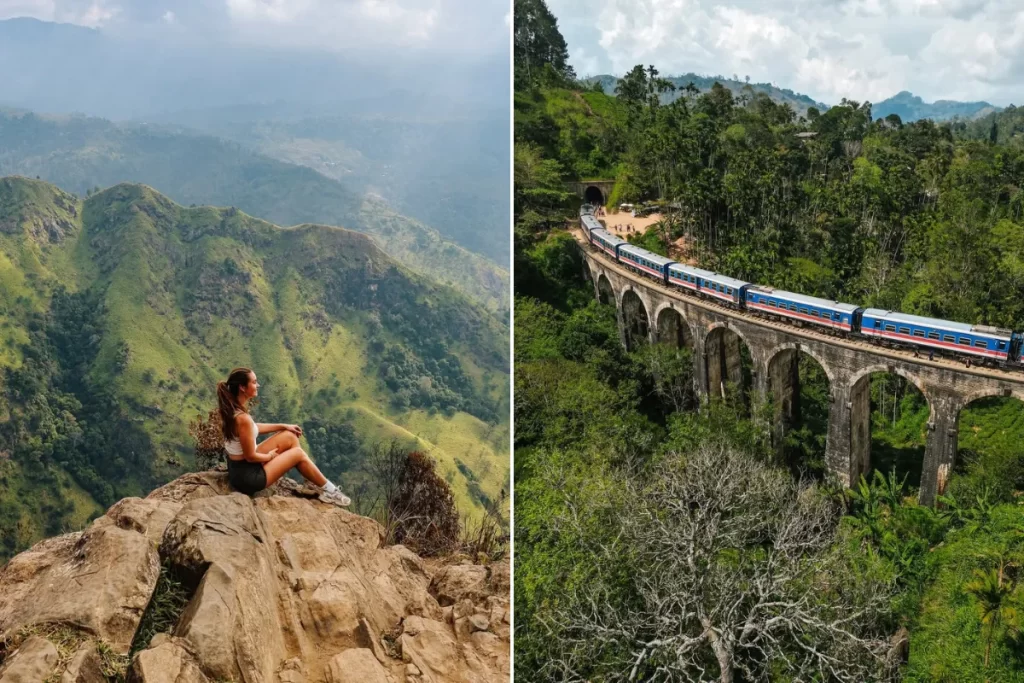
Ella is the most popular hill country base for younger travelers, and the reasons are straightforward. It has a strong backpacker infrastructure, a main street lined with cafes and restaurants, and several excellent hiking options within easy reach. The Nine Arch Bridge is the most photographed spot, but the hikes up Little Adam’s Peak and Ella Rock offer better views and a genuine sense of effort rewarded.
The social scene in Ella is lively for a small mountain town. Guesthouses are well-priced, the train connection to the coast is one of the most scenic rail journeys in Asia, and the weather stays cooler and more forgiving than the lowlands.
For a full guide to exploring the area, [read our Ella travel guide here].
Nuwara Eliya

Nuwara Eliya sits higher and feels quieter. The town has a strange colonial character, with red pillar boxes, a racecourse, and an atmosphere that somehow still echoes its British hill station past. The surrounding tea estates are working farms, and visiting them is far more interesting than the typical tourist version of a plantation tour.
For long-term stays, Nuwara Eliya suits travelers who want cool weather, slow mornings, and a pace of life that is genuinely unhurried. It is not a digital nomad hub, and the internet quality varies more than in the lowlands. But for writers, artists, or anyone who just needs a long quiet stretch, it rewards patience.
[Read our Nuwara Eliya guide here] for accommodation options and what to do in and around the town.
Practical Setup: Living Smoothly for a Month or More
Settling into Sri Lanka properly takes a few days of adjustment. The practical details below make that transition easier.
Finding a Place to Stay

The standard advice of booking everything in advance works fine for a week-long trip but costs significantly more for longer stays. A better approach for a month-long base is to book three to five nights through Booking.com or Airbnb to secure an initial landing spot, then spend that time exploring on a scooter to find locally-rented villas and guesthouses that offer better cash rates for monthly stays.
Property owners near popular beach towns frequently rent directly to travelers who ask in person, often at 30 to 50 percent less than platform prices. This requires a little patience but is entirely normal and widely practiced.
Getting Around

Transport works differently depending on where you are based:
- Cities (Colombo, Galle): PickMe and Uber are reliable and inexpensive for daily movement.
- Coastal towns: Monthly scooter rental is the practical standard. Rates typically range from 15,000 to 25,000 LKR per month depending on the model and town. Always check the scooter thoroughly before agreeing to terms.
- Moving between regions: Sri Lanka’s scenic train network is the best way to travel between the coast and the hill country. The journey from Ella to Kandy, or from Kandy to Colombo, runs through genuinely spectacular scenery. Book in advance for reserved seats on popular routes.
A Few Cultural Notes Worth Knowing

Poya days occur once a month on the full moon and are national public holidays in Sri Lanka. On Poya days, the sale of alcohol is prohibited across the island. Restaurants and shops may also operate on reduced hours. Checking the monthly Poya date before planning any social occasions saves unnecessary frustration.
Rice and curry is the daily staple, and the local version, eaten at small roadside restaurants called “hotels,” is far better and far cheaper than anything served to tourists. Eating local even half the time makes a meaningful difference to the weekly budget.
Sample Long-Stay Itineraries

Choosing a sequence of bases helps structure a longer trip without feeling aimless. These two routes cover different priorities and travel styles.
The Nomad Surfer (3 Months)
- Month 1: Weligama for beginner surf lessons, co-working setup, and settling into the south coast rhythm.
- Month 2: Hiriketiya to progress surfing, slow down the pace, and experience the more curated, creative side of the coast.
- Month 3: Arugam Bay (May to September only) for world-class surf, a tight community, and an entirely different energy on the east coast.
The Balanced Explorer (3 Months)
Ready to Pick Your Base?

Sri Lanka rewards people who slow down. The travelers who get the most from the island are rarely the ones who rush through it in ten days. They are the ones who rent a scooter, find a good local restaurant, learn the name of their guesthouse owner, and wake up without a packed itinerary.
Pick one base to start. Let the island show you what it has. From there, the next move usually makes itself obvious.
Frequently Asked Questions
How long can I stay in Sri Lanka as a tourist in 2026?
Most nationalities can enter Sri Lanka on an ETA and stay for an initial 30 days. From there, extensions can be applied for through the Department of Immigration, adding up to 60 days, then 90 days, and a further 90 days after that. The maximum total stay on a single tourist visa is 270 days without leaving the country.
What is the Sri Lanka Digital Nomad Visa and who is it for?
Launched in early 2026, the Sri Lanka Digital Nomad Visa is a dedicated visa category for remote workers and freelancers who earn their income from outside Sri Lanka. It provides a legal framework for working remotely on the island, removing the ambiguity that previously existed when working on a tourist visa. Applications are handled through the official immigration portal at eservices.immigration.gov.lk.
Is Sri Lanka good for digital nomads?
Yes, particularly for those willing to base themselves in towns that have developed around international visitors. Weligama, Colombo, and Galle Fort have the strongest combination of reliable internet, co-working options, and general infrastructure for remote work. Internet quality varies more in the hill country and in smaller coastal villages.
Which is better for a long stay, Weligama or Mirissa?
It depends on what you are looking for. Weligama suits remote workers and beginner surfers better, with more co-working infrastructure, a calmer pace, and easier access to monthly rentals. Mirissa leans more social, with a livelier evening scene and a stronger focus on the beach experience. Many long-term visitors end up spending time in both since they are only five kilometers apart.
What is the best time of year for a long stay in Sri Lanka?
The south and west coasts, including Colombo, Galle, Weligama, and Mirissa, are best from November to April when the weather is dry and settled. The east coast, particularly Arugam Bay, runs on the opposite calendar and is best from May to September. The hill country in Ella and Nuwara Eliya is relatively pleasant year-round, though November to January can bring cooler, wetter conditions.
Is it safe to rent a scooter in Sri Lanka?
Scooter rental is widely practiced among long-term visitors and is generally manageable with care. Sri Lanka’s roads, particularly in coastal towns, are busier and less predictable than Western standards. Wearing a helmet, riding cautiously on unfamiliar roads, and thoroughly checking the scooter before agreeing to rental terms are all non-negotiable basics. International or home-country motorcycle licenses are typically required for insurance purposes.
What are Poya days and how do they affect travelers?
Poya days are monthly public holidays that fall on the full moon. On these days, the sale of alcohol is prohibited island-wide, many businesses operate on reduced hours, and some restaurants may be closed. They occur once every month and are worth checking in advance, particularly if you are planning an occasion or event around a specific date.
Can I find monthly villa rentals in Sri Lanka without booking platforms?
Yes, and it is often the better approach for longer stays. Many property owners in coastal towns and beach areas rent directly to travelers who approach them in person, offering significantly lower rates than what appears on Booking.com or Airbnb. The practical method is to book a few nights through a platform to get settled, rent a scooter, and then spend a day or two exploring and asking around locally. Monthly cash rates are standard practice and widely accepted.
Further Readings
- Sri Lanka Dos and Don’ts: Guide to Cultural Taboos Every Traveler Should Know
- Can Tourists Buy Alcohol in Sri Lanka? What You Need to Know
- Do You Need a Return Ticket for Sri Lanka? (Simple Guide for ETA & Arrival)
- Can You Do 10 Days in Sri Lanka on $600–$700? Yes, Here’s How
- Budget Backpacking in Sri Lanka: Tips, Hostels, and Route Ideas