The island’s heat hits you as soon as you land warm air, spice-scented streets, and coconuts stacked high at roadside stalls. Staying hydrated is essential here, but the question quickly comes up: can you safely drink the tap water in Sri Lanka? Don’t worry it’s straightforward once you know the basics.
Is Tap Water Safe for Tourists?

The short answer: no. Tap water in Sri Lanka often contains bacteria, viruses, or chemical pollutants that your body isn’t used to. Even though treatment has improved in cities like Colombo, most locals still boil their water before drinking. For you as a traveler, it’s safer to rely on sealed bottled water or boiled/filtered water
Risks of Drinking Untreated Water

Taking chances with untreated water can quickly spoil your trip. Common issues include:
- Traveler’s diarrhea (the most frequent problem).
- Bacterial infections like E. coli or Salmonella.
- Parasites such as Giardia or amoebas.
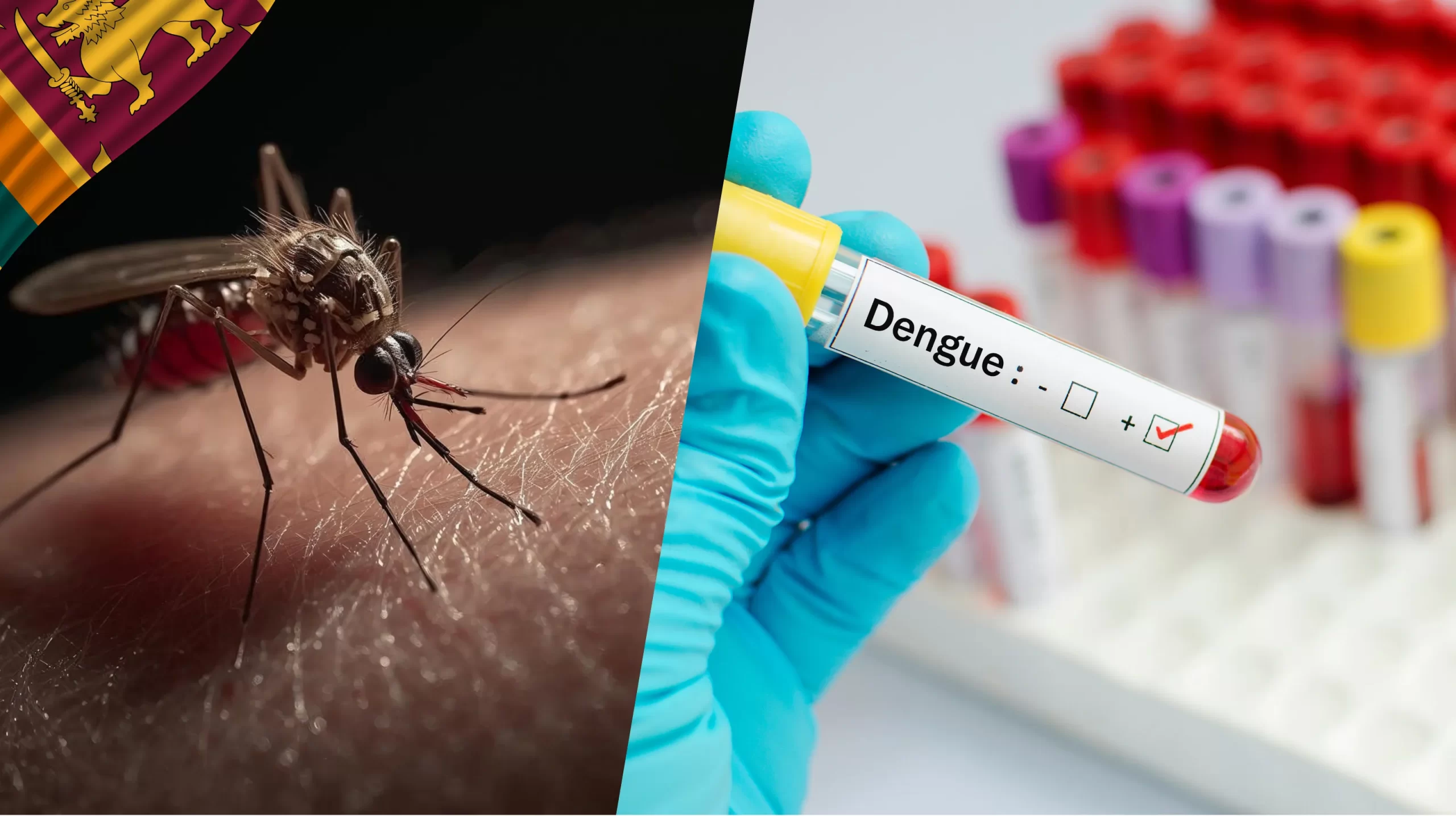
- Cholera and other serious illnesses (rare, but possible in contaminated areas).
- Even brushing teeth or using ice made from tap water can upset your stomach
Tip: If you eat raw fruit, peel it yourself. If you enjoy salads, stick to reputable restaurants where washing practices are safer.
Safer Options for Drinking Water
Bottled Water

- Widely available and affordable.
- Always check the seal is intact.
- Look for a Ministry of Health registration number and SLS certification on the label.
- Stick to well-known brands and buy from trusted shops to avoid fakes
Boiled Water

- The most reliable method used by locals.
- Bring water to a rolling boil for at least one minute (three at higher altitudes).
- Let it cool before drinking or using for teeth brushing
Filtered or Purified Water

- Portable filter bottles are handy for tours and hikes.
- UV purifiers kill microbes without chemicals.
- Activated carbon filters improve taste and remove chlorine.
- Chemical tablets (iodine or chlorine) work in emergencies but can alter taste
Municipal Water in Cities
Some areas like Colombo, Dehiwala, Moratuwa, Kurunegala, Puttalam, Batticaloa, Hambantota, and Polonnaruwa have treated municipal water. But quality can fluctuate, and even locals often prefer bottled or boiled water
Practical Traveler Tips
- Brush with bottled or boiled water to avoid surprises.
- Avoid ice unless you know it’s made from purified water.
- Hydrate often—the heat can dehydrate you quickly.
- Carry a small filter bottle if heading into rural areas.
- Buy sealed bottles for day trips, train rides, or safaris.
Final Thoughts

Sri Lanka keeps you busy exploring ruins, hiking green hills, or sipping tea in the misty highlands. Staying healthy is part of enjoying it all. Stick to bottled or boiled water, skip the ice, and carry a filter if you like going off the beaten path.
With those simple steps, you’ll avoid unwanted stomach troubles and keep your focus on what matters most the beaches, the elephants, and the warm smiles that make this island unforgettable.
FAQs About Drinking Water in Sri Lanka
Can I brush my teeth with tap water in Sri Lanka?
It’s best not to. Even small amounts of untreated tap water can upset your stomach. Use bottled or boiled water for brushing.
Is bottled water always safe in Sri Lanka?
Most bottled water is safe, but check the seal, look for a Ministry of Health registration number, and buy from reputable shops. Avoid bottles with broken seals or no labeling.
Do hotels provide safe drinking water?
Many mid-range and higher-end hotels provide free bottled water or boiled water. Guesthouses may offer filtered or boiled water if asked. Always confirm the source before drinking.
Is it safe to drink tap water in Colombo?
Tap water in Colombo is treated, but quality can vary. Even locals often boil it before use. For tourists, bottled or boiled water is still the safer choice.
What about ice in drinks?
Avoid ice unless you know it’s made from purified or bottled water. In many small restaurants or roadside stalls, ice is likely made from tap water.
Are portable water filters useful in Sri Lanka?
Yes. A portable filter bottle or UV purifier is handy for rural areas, long hikes, or when bottled water isn’t easy to buy.